
Gen Z to shape next era of coffee industry
Gen Z, which accounts for 25 percent of global population, is reshaping the coffee industry, driving shifts in everything from flavors and brewing methods to café culture as its spending power is expected to surpass that of previous generations over the next decade.
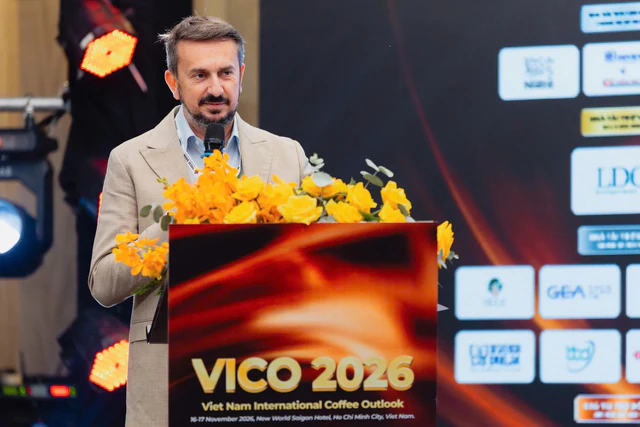
Yannis Apostolopoulos, CEO of the Specialty Coffee Association (SCA), speaks at the 2026 Vietnam International Coffee Outlook on November 16-17, 2026. Photo: Truong Linh / Tuoi Tre
According to research published by the Specialty Coffee Association (SCA), Gen Z accounts for approximately 25 percent of the world's population, with its combined income potential estimated at US$33 trillion by 2030.
The generation, born between 1997 and 2012, is projected to surpass Baby Boomers (born between 1946 and 1964) in spending by 2029, followed by Generation X (born between 1965 and 1980) by 2040.
Yannis Apostolopoulos, CEO of the SCA, said Gen Z consumers in emerging markets are expected to account for approximately 75 percent of consumers by 2030, spending twice as much as previous generations did at the same age.
Gen Z drives new coffee consumption trends
SCA leaders say the coffee industry needs to better understand the actual preferences of younger consumers rather than assume Gen Z is turning away from coffee.
In fact, 67 percent of consumer trends in 2026 are driven by younger consumers, while 65 percent of consumers worldwide say young people are shaping modern consumer culture.
"When asked what would make them more engaged with coffee, consumers across generations ranked new flavors and quality as their top priorities. Affordability and accessibility also remain important," Apostolopoulos said.
"Demand for health-conscious products, personalized beverages and creative discovery experiences is also particularly strong among Gen Z."
According to Apostolopoulos, the coffee industry needs to consider four questions young consumers ask when choosing a beverage: "Does coffee fit my lifestyle? Is it the best choice for me? What does coffee offer, and how valuable is that experience to me?"
The industry has made considerable progress in addressing the latter two questions by offering consumers a wide range of benefits and experiences, he said.
However, the greater challenge is making coffee a natural fit for young people's lifestyles and a beverage they actively choose. This is an advantage that drinks such as matcha and energy drinks have been successfully capitalizing on.

Gen Z has been, and will continue to be, reshaping the future of the coffee industry. Photo: The Kiet / Tuoi Tre
"Coffee does not necessarily need to view emerging beverages as competitors," Apostolopoulos said.
He cited the beer industry as an example, noting that demand for cold, sweet beverages persists even as consumers reduce their beer consumption, with that demand shifting to alternative drinks.
He added that the coffee industry should focus on meeting existing consumer needs rather than creating entirely new demand.
Apostolopoulos also pointed to a long-standing mindset in the industry: whenever coffee is incorporated into new beverage recipes or combined with other ingredients, some industry players argue that it is no longer real coffee.
However, he said that restricting products to familiar conventions could cause the industry to miss opportunities to reach new consumer groups and tap into new consumption occasions.
Vietnam has the power to define its coffee industry's value
In the 2025-26 crop year, Vietnam exported approximately 1.8 million tonnes of coffee, up 21 percent from the previous season, while export revenue reached around $8.5 billion, an increase of just one percent.
According to the Vietnam Coffee-Cocoa Association (VICOFA), the country's coffee output in the 2025-26 crop year is estimated at nearly 1.9 million tonnes, up 6-10 percent.
Robusta still constitutes more than 90 percent of total production, maintaining its dominant position in Vietnam's coffee export structure.
Vietnam produces nearly 40 percent of the world's Robusta coffee. This gives the country a significant voice and the potential to help shape the future of coffee consumption worldwide.
However, according to SCA's leadership, Vietnam's influence in the global coffee industry extends beyond its production capacity to its ability to shape how the world experiences coffee.
"That is why I want to focus on the person at the end of the value chain, the one who decides how much a cup of coffee is worth. Vietnam has every reason to be proud of this. Over generations, the country has developed a distinctive coffee culture, exemplified by its iced milk coffee," Apostolopoulos said.
Coffee traditions that were once familiar primarily to Vietnamese consumers are now gaining popularity in other markets.
Instead of imposing a fixed definition of coffee, the industry should recognize evolving consumer needs and new consumption occasions, he emphasized.

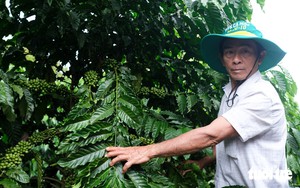
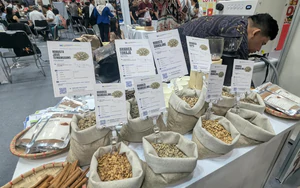
Vietnam's coffee culture is having an increasing influence on international markets. Photo: Truong Linh / Tuoi Tre

Van Giang - Truong Linh / Tuoi Tre News
Link nội dung: https://news.tuoitre.vn/gen-z-to-shape-next-era-of-coffee-industry-103261119175043842.htm