
Hanoi bans 18 tree species from public spaces
Hanoi authorities have issued updated regulations on the management of parks, green spaces, and water bodies, which include a list of 18 tree species banned from public areas due to safety and environmental concerns.
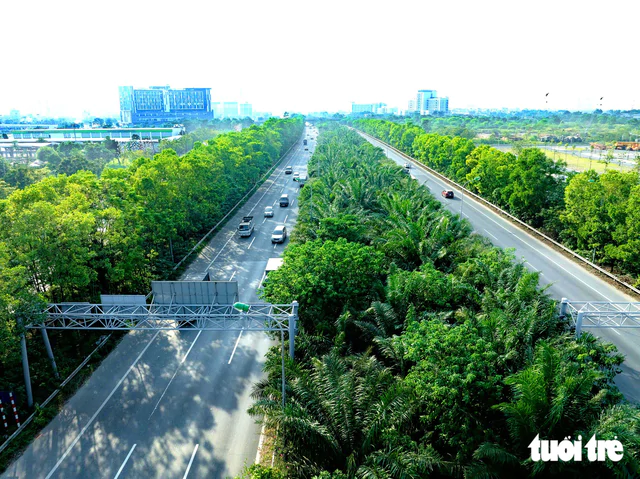
As per the new regulations, relevant agencies must develop plans to gradually remove and replace existing trees that fall under the prohibited list or are unsuitable for their locations and surrounding conditions in urban areas and rural residential communities.
Trees that are old, rotten, diseased beyond treatment, dead, stunted, crooked, poorly developed or at risk of falling or breaking must also be considered for replacement.
List of banned tree species for planting
| No. | Vietnamese name | Scientific name | Reason for banning |
|---|---|---|---|
| 1 | Bã đậu (Vông đồng) | Hura crepitans | Resin and seeds contain toxins |
| 2 | Bồ hòn | Sapindus mukorossi | Fruits contain toxic substances |
| 3 | Bồ kết | Gleditsia triacanthos | Trunk has many very large thorns |
| 4 | Cao su | Hevea brasiliensis | Branches are brittle and break easily |
| 5 | Cô ca cảnh | Erythroxylum novogranatense | Leaves contain addictive cocaine |
| 6 | Bông gòn | Ceiba pentandra gaertn | Branches are brittle and break easily; ripe fruits disperse fluff/fibers, affecting street sanitation |
| 7 | Lòng mức (các loại) | Wrightia | Ripe fruits disperse seeds, affecting the environment |
| 8 | Mã tiền | Strychnos nux-vomica | Seeds contain toxins |
| 9 | Me keo | Pithecellobium dulce | Trunk and branches have many thorns |
| 10 | Ô đầu (củ gấu tàu) | Aconitum carmichaeli | Plant contains toxins |
| 11 | Dướng | Broussonetia papyrifera | Invasive species; branches are brittle, shallow roots make it prone to falling during storms; fallen ripe fruits cause environmental pollution/unsanitary conditions |
| 12 | Xiro | Carissa carandas | Trunk and branches have many thorns |
| 13 | Sưng Nam Bộ, Sơn lu | Semecarpus cochinchinensis | Plant sap contains substances that cause itching and skin ulceration |
| 14 | Tỏi độc | Colchicum autumnale | The entire plant contains toxins that cause death to humans and livestock if ingested |
| 15 | Thông thiên | Thevetia peruviana | Seeds, leaves, flowers, and bark all contain toxic substances |
| 16 | Trúc đào | Nerium oleander | Stem and leaves contain toxic substances |
| 17 | Trứng cá | Muntingia calabura | Children climb the tree to pick fruits; fallen fruits affect street sanitation |
| 18 | Dâu da | Allospondias lakonensis | Branches are brittle and easily broken; fallen ripe fruits cause unsanitary conditions |
Organizations and individuals seeking to plant or replace public trees on sidewalks must obtain approval from authorities for the proposed species before proceeding.
Trees should fit local climate, soil, and cultural identity, while ensuring safety for people, vehicles, and infrastructure.
Planting must not damage or interfere with underground, ground-level or overhead infrastructure.
Species must not release harmful substances or attract insects in ways that affect environmental hygiene. Their flowers and fruit must not produce unpleasant odors or pose health risks.
Trees planted along streets and in other public areas must be storm-resistant, have deep roots, balanced canopies, and minimal risk of breaking or causing accidents.
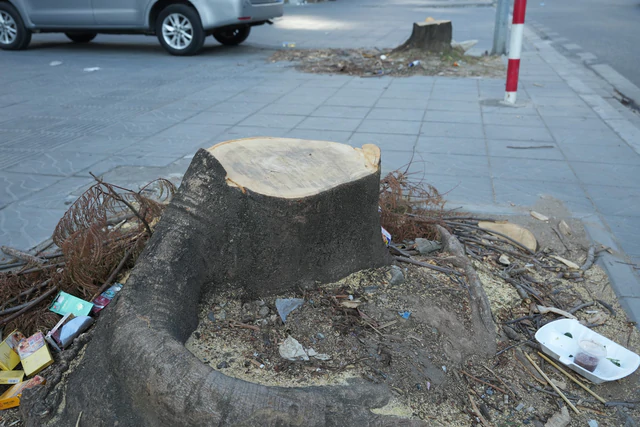
Hanoi recently removed trees to make way for construction of the Me Tri-Duong Dinh Nghe underpass project. Photo: H.C.
Urban projects must meet green space quotas and integrate greenery into architectural planning.
Construction affecting public trees, roads, sidewalks, traffic islands must coordinate with tree management units to minimize cutting or root damage.
Parks, flower gardens, squares, and other public spaces must be designed to retain and absorb water, helping reduce flooding pressure.
Advertising and signboards placed on green medians, grassy areas, in parks, flower gardens or on traffic islands require approval from the designated management authority, except for traffic signs.
The regulations also prohibit damaging trees by drilling into them, driving nails into their trunks or stripping their bark.
Other banned actions include dumping garbage, hazardous substances or construction materials around tree bases; public urination or defecation; cooking or burning fires at tree bases; and building raised platforms or structures around trunks.
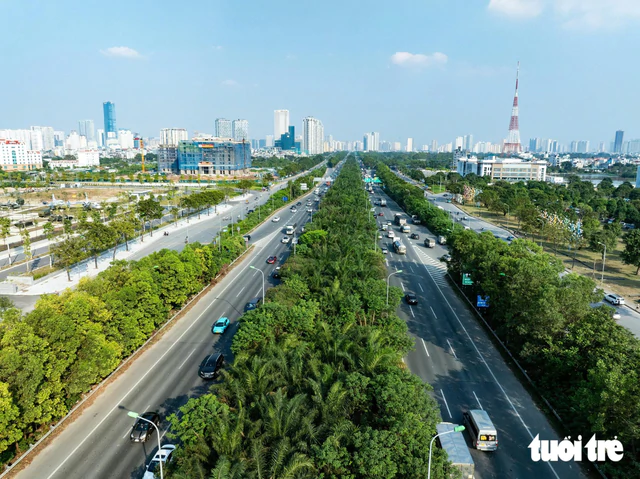
Advertising signs must not be attached to trees. Photo: Nam Tran / Tuoi Tre
Advertising signs and other objects must not be hung or attached to trees.
Decorative wires and lights may not be installed without permission or approval if they could interfere with tree growth and development.
Illegal occupation or construction on designated green land, obstructing tree planting, and failing to fulfill responsibilities for tree management, care and protection are also prohibited.
- REFERENCE MORE
Minh Duy - Pham Tuan / Tuoi Tre News
Link nội dung: https://news.tuoitre.vn/hanoi-bans-18-tree-species-from-public-spaces-10326102017385766.htm