
Outdoor workers in Vietnam’s major cities face growing burden from climate change
The Vietnam Medical Association, in collaboration with other organizations, on Friday released the findings of a study on the health impacts of climate change on informal outdoor workers in Vietnam’s major cities.
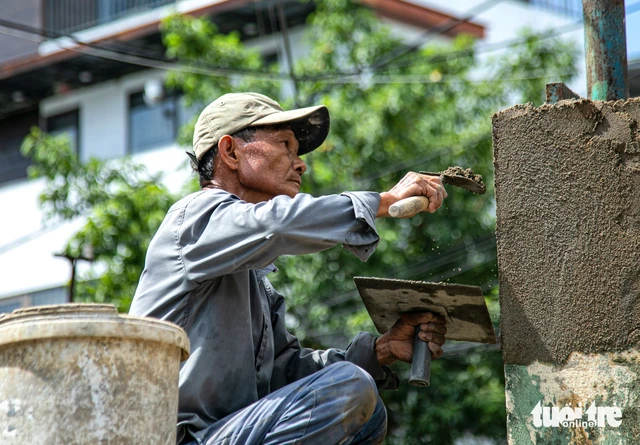
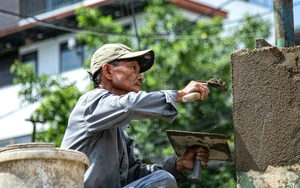
A construction worker works in temperatures reaching nearly 40 degrees Celsius in Da Nang City, central Vietnam. Photo: Thanh Nguyen / Tuoi Tre
The study, conducted from February 2024 to September 2026 in Hanoi, Ho Chi Minh City, Da Nang, and Can Tho, surveyed more than 1,200 workers to assess labor, healthcare, climate, and environmental policies related to the health of informal outdoor workers.
It also sought to identify challenges and gaps in policy implementation and propose measures to protect the health of these workers.
Climate change adds to pressure on outdoor workers
According to Prof. Dr. Nguyen Thi Xuyen, chairwoman of the Vietnam Medical Association, Vietnam currently has around 33 million informal workers, accounting for approximately half of the country’s workforce.
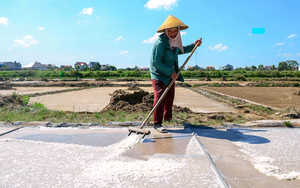
This is a diverse group that includes street vendors, motorbike taxi drivers, delivery workers, construction workers, sanitation workers, waste pickers, porters, and agricultural and fishery workers.

Prof. Dr. Nguyen Thi Xuyen, chairwoman of the Vietnam Medical Association, speaks at the event .Photo: D. Lieu / Tuoi Tre
Xuyen said that as climate change becomes increasingly extreme, these workers face a range of health risks because they frequently work outdoors.
Dr. Vu Ngoc Anh, research director of a climate change research program at the National Centre for Social Research (UK), said the findings showed that outdoor workers had a very high level of exposure to adverse weather conditions.
In the 12 months preceding the survey, 95.4 percent of workers had been exposed to hot weather and 71 percent to heavy rain.
They worked an average of 8.7 hours a day and 6.36 days a week, equivalent to around 55.3 hours per week.
Meanwhile, 42.2 percent of respondents were aged 45 or older.
In terms of health, 68.5 percent of respondents reported experiencing at least one musculoskeletal symptom after a workday during the month preceding the survey.
The survey also found that 32.8 percent of participants showed mild to extremely severe symptoms of anxiety, while 17.8 percent experienced mild to extremely severe stress.
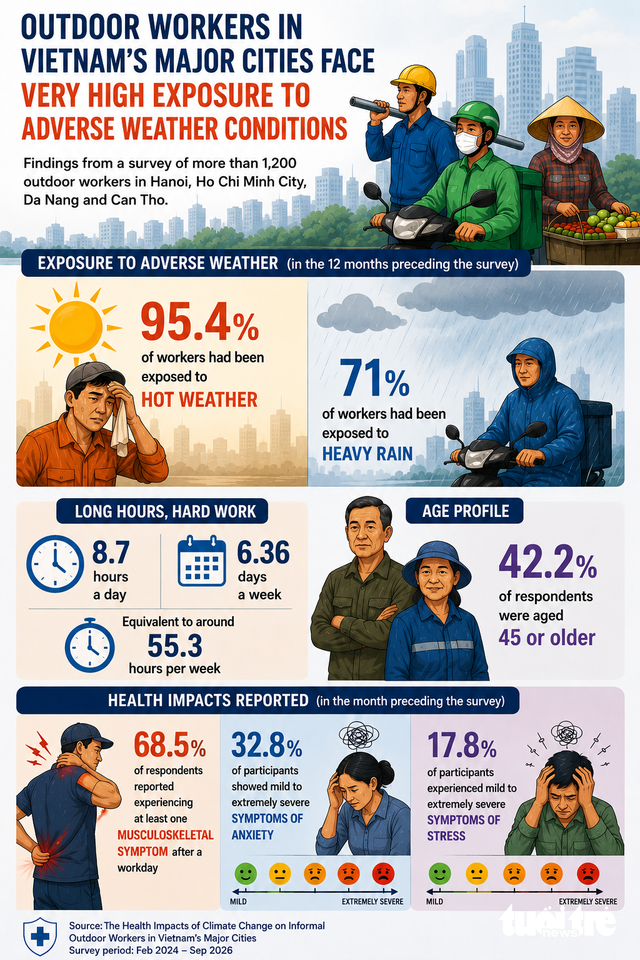
Illustration generated by AI.
'A vulnerable group'
In-depth interviews found that workers’ concerns went beyond weather conditions.
They also worried about reduced or lost income, medical expenses, their ability to maintain their jobs, and family caregiving responsibilities when their income was disrupted.
“Meanwhile, most workers have noticed changes in weather patterns,” Dr. Anh noted.
“Some 89.4 percent said the weather had changed over the past five years, while 86.1 percent said they were concerned or very concerned about climate change.
“Many proactively wore hats, covered their heads, drank water, wore lightweight clothing, or sought shade during hot weather.
“However, their ability to proactively reduce exposure remains very limited,” Anh added.
“Workers may recognize the risks but still have to continue working because taking a day off means losing income.”
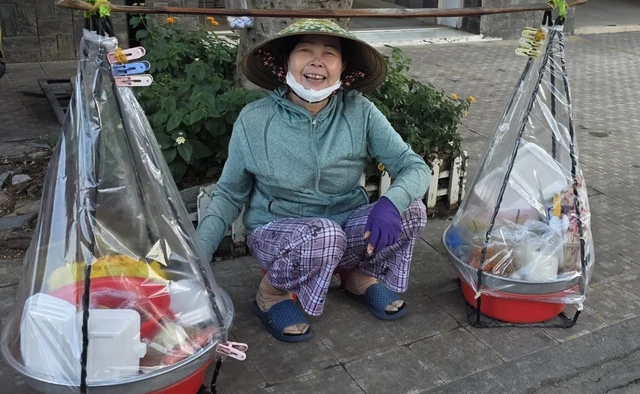
A street vendor carrying goods on a shoulder pole rests by the roadside at midday amid hot weather in Ho Chi Minh City, Vietnam, April 2, 2026. Photo: Thuy Chi
Based on these findings, Dr. Truong Hong Son, Deputy Secretary General of the Vietnam Medical Association, and the research team recommended that informal outdoor workers be clearly identified as a vulnerable group in climate change adaptation programs.
They also called for guidelines on health protection during heatwaves, storms, and flooding, as well as improved access to health insurance, social insurance, and primary healthcare.
In addition, the researchers recommended piloting rest areas where outdoor workers can take shelter from heat and rain, with drinking water, early warnings, and first-aid services at locations where large numbers of outdoor workers gather, while strengthening the role of commune- and ward-level health stations.
As the study also found that these workers had limited opportunities to quit jobs, change occupations, or access social security mechanisms, they also proposed expanding vocational training, job transition programs, and livelihood support, particularly for older workers and those in occupations involving high levels of exposure.
Duong Lieu - Dong Nguyen / Tuoi Tre News
Link nội dung: https://news.tuoitre.vn/outdoor-workers-in-vietnams-major-cities-face-growing-burden-from-climate-change-103260814215117317.htm