
Robusta needs trust before Vietnam builds global brand for it
“It smells so good that I suspect it has been flavored,” a customer exclaimed after tasting my naturally roasted coffee. I am a coffee producer, and that reaction has stayed with me ever since.
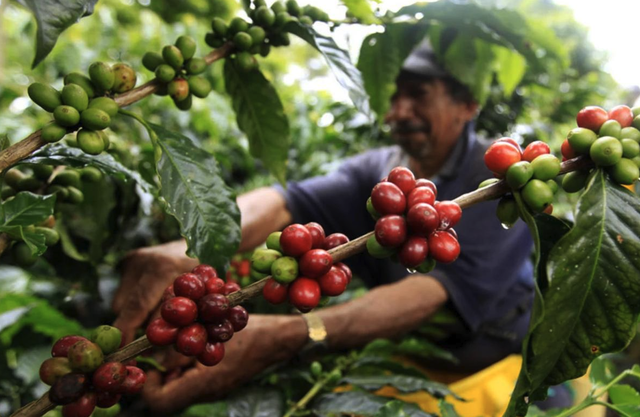
Vietnamese Robusta should not be known merely as a source of raw materials. Photo: Hoang Quang Hien
The coffee was made entirely from clean beans, without any flavorings or aroma-enhancing agents.
But its natural aroma itself made the customer suspicious.
I was happy that the product had reached the quality I wanted, but I was also saddened to realize that coffee producers sometimes have to work harder to prove that their products are clean before they can even talk about how good they taste.
That small incident made me think about a bigger issue: Vietnamese Robusta needs not only to improve its quality, but also to rebuild trust and change how the market sees its true value.
What makes Vietnamese Robusta distinctive?
In my view, its identity does not lie only in the quality of the beans, the growing regions, the people or the coffee-drinking culture, but in the combination of all four.
Vietnamese Robusta benefits from long-established growing areas, distinctive soil and climate conditions, and the experience of millions of people whose livelihoods are tied to coffee.
But what also makes it distinctive is Vietnam's coffee-drinking culture: strong coffee brewed through a phin filter, and the way people sit together, talk, reflect and start their day.
This is a real story with depth that is not easy to replicate.
If we only sell coffee beans, we compete on volume and price.
But if we connect bean quality with the land, people and coffee-drinking culture, Vietnamese Robusta can create a distinctive identity among international consumers.
Where are the biggest bottlenecks?
In my view, the biggest challenge is that we have yet to turn our production advantages into brand value.
For many years, Vietnam's coffee industry has done well in increasing output and becoming deeply integrated into the global supply chain.
However, coffee beans often leave Vietnam as raw materials, while roasting, branding and reaching end consumers take place in other markets.
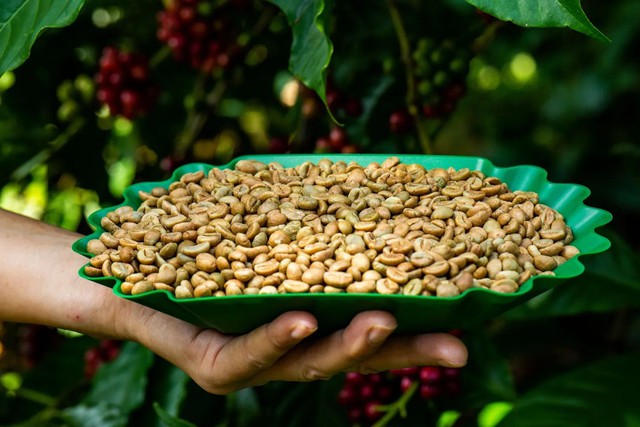
Trust needs to be built so the world can learn about Vietnamese Robusta through its own story. Photo: Hoang Quang Hien
We can be proud that Vietnamese coffee is now found in many parts of the world.
But if consumers do not know that the beans come from Vietnam, such presence does not necessarily translate into brand recognition.
Another challenge is inconsistent quality and consumer perceptions shaped by longstanding preconceptions.
When a naturally roasted, aromatic Robusta product can still be suspected of containing added flavorings, it shows that there is still a wide gap between producers' efforts and consumer trust.
Unless that gap is addressed, efforts to elevate Vietnamese Robusta and build its brand will be difficult to achieve.
Where should we start?
I believe the first priority should be to build a reliable quality foundation, starting in the growing areas.
Farmers need guidance and support to improve cultivation, harvest ripe coffee cherries, and strengthen processing and storage.
More importantly, better quality must come with better economic returns for growers.
Farmers cannot be expected to invest more time and effort if their income still depends mainly on the volume they sell.
State agencies and industry associations should help connect stakeholders, develop quality standards, support traceability and create conditions for growing areas, cooperatives and businesses to participate in a common ecosystem.
These standards should be clear enough for buyers to recognize and meaningful enough to protect the reputation of Vietnamese Robusta.
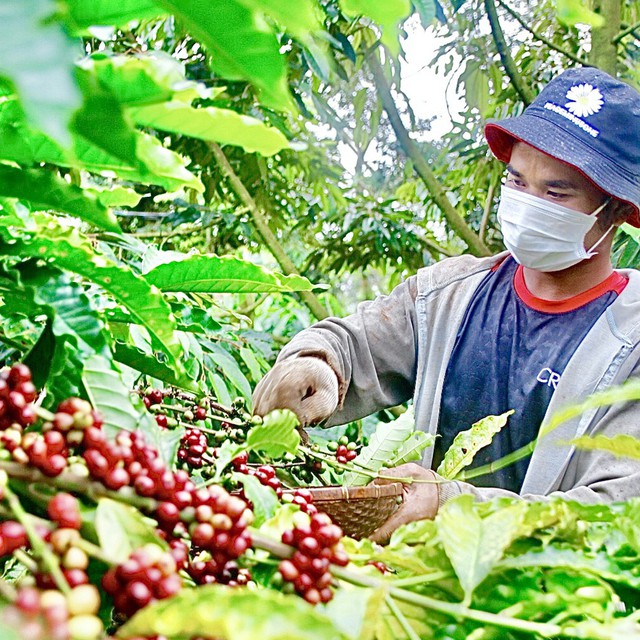
Vietnamese businesses need to take a longer-term view of their products. Photo: Hoang Quang Hien
Businesses also need to go beyond selling raw materials.
They should invest in deeper processing, develop value-added products, build their own brands and reach consumers directly.
Not every business needs to be large or immediately export its products.
Small brands that make good products, tell authentic stories and maintain consistent quality can also help build the image of Vietnamese Robusta.
For coffee producers like us, perhaps the most immediate responsibility is to make good products, be transparent about what we sell and patiently help customers better understand coffee.
Trust cannot be created through advertising alone.
It comes from real experiences, consistent quality and honesty in every product description.
Looking around the world, I think we can learn a lot from how other countries have built their coffee brands.
Colombia has not simply sold coffee beans but has built an image associated with its land, growers and consistent stories.
Ethiopia has created a distinctive identity through its origins, diverse flavors and long-standing coffee culture.
These examples show that a national brand cannot be built through a single promotional campaign.
It requires the collective and persistent efforts of the entire value chain.
Vietnamese Robusta does not need to become a copy of any other country.
We need to learn how other countries organize quality, protect origins and tell their stories, then find a path that suits Vietnam's conditions and identity.
I think it is time to change the question.
Instead of asking only how many tonnes of Robusta we export each year, we should ask how many coffee products bearing the Vietnamese name are actively chosen by international consumers, how many Vietnamese coffee brands are remembered, and how much value actually stays with growers, businesses and the country.
Vietnamese Robusta has taken a long journey to establish its position in the global coffee industry.
The next stage is not simply about producing more or selling at higher prices, but about making the world understand, trust and appreciate the value of coffee beans bearing the Vietnamese name.
For me, that is the most sustainable way for Vietnamese Robusta to move beyond being a supporting player and confidently take its rightful place.
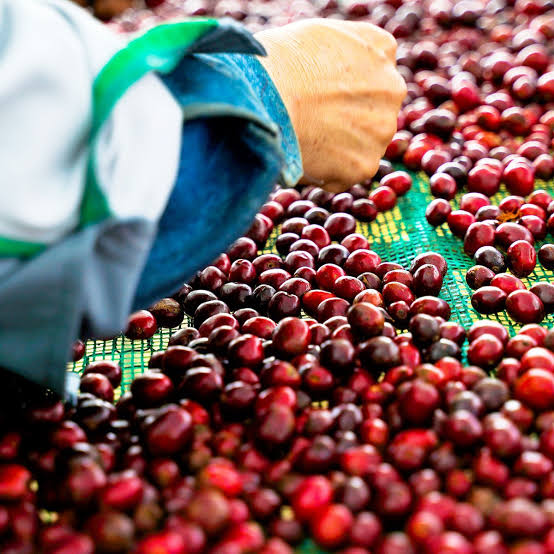
Vietnamese Robusta has an advantage from long-established growing areas. Photo: Hoang Quang Hien
* This article was written in Vietnamese by Hoang Quang Hien. Tuoi Tre News provides the English translation.
The Ky / Tuoi Tre News
Link nội dung: https://news.tuoitre.vn/robusta-needs-trust-before-vietnam-builds-global-brand-for-it-10326100520574328.htm