
Samsung's 4 key Vietnam plants among top profit-makers despite reduced profits
Samsung Electronics Co., Ltd.’s four major manufacturing plants in Vietnam remained among the South Korean tech giant’s most profitable major subsidiaries worldwide in the first half of 2026, despite a decrease in their combined profit in the second quarter of the year.
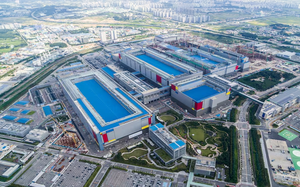
The four plants include Samsung Electronics Vietnam Thai Nguyen (SEVT), Samsung Electronics Vietnam (SEV), Samsung Display Vietnam (SDV) and Samsung Electronics HCMC CE Complex (SEHC).
They generated US$17.3 billion in combined revenue in the second quarter, up 20 percent year on year, while their combined profit fell by 16.7 percent to $996 million, according to Samsung's consolidated financial statements.
The profit decline was concentrated at the two smartphone and telecommunications equipment plants.
SEVT recorded nearly $7.5 billion in second-quarter revenue, up 19.5 percent year on year, while its profit fell to $361 million from $571 million, cutting its profit margin from 9.1 percent to 4.8 percent.
SEV also posted nearly 20 percent revenue growth, but its profit fell by nearly one-fourth, sending its profit margin down from 9.2 percent to 5.8 percent.
Meanwhile, SDV, which manufactures display panels, posted a profit of $277 million in the second quarter, up more than 40 percent year on year, while its profit margin reached its highest level since the third quarter of 2023.
SEHC also posted growth in both revenue and profit, with revenue exceeding $1.5 billion, up 8.5 percent, and profit rising more than 20 percent to $94 million.
Overall, their combined profit margin narrowed to 5.8 percent from 8.3 percent in the same quarter last year.
Nonetheless, the four plants remained among Samsung's most profitable major subsidiaries during the first six months of 2026.
Among Samsung's 25 key subsidiaries whose data for the first half of 2026 have been released, SEVT ranked second by profit, behind Samsung Display Co., Ltd. in South Korea, while SEV ranked fourth, the group reported.
The thinner profits at SEVT and SEV came as the global smartphone market weakened sharply.
According to global market research firm Counterpoint Research, worldwide smartphone shipments fell 11 percent year on year in the second quarter, the lowest level for any second quarter since 2013.
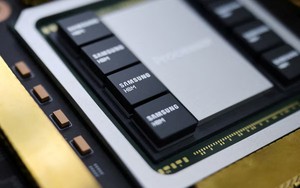
The firm attributed the market's continued weakness mainly to a memory chip shortage, as chipmakers prioritized supplies for AI data centers over consumer electronics, pushing up component costs.
Smartphone makers passed some of the higher costs on to consumers through price increases, particularly in the entry-level and mid-range segments.
The research firm forecast global smartphone shipments to fall 14 percent for the full year in 2026 and said the memory chip shortage could persist into 2027.
Currently, Samsung retains the top spot in the global smartphone market with a 24 percent share, supported by strong sales of its Galaxy S26 lineup and improved supply, according to Counterpoint Research.
In Vietnam, Samsung built its first TV manufacturing plant in Ho Chi Minh City in 1995 and began building SEV in northern Bac Ninh Province in 2008 to manufacture mobile phones.
Today, Samsung's presence in Vietnam includes six manufacturing plants, one research and development center and one sales entity, making it the largest foreign direct investor in the country.

Vinh Tho – Quan Nguyen / Tuoi Tre News
Link nội dung: https://news.tuoitre.vn/samsungs-4-key-vietnam-plants-among-top-profit-makers-despite-reduced-profits-103260901204334654.htm