
Social media, smartphone overuse fuel concern over school bullying in Vietnam
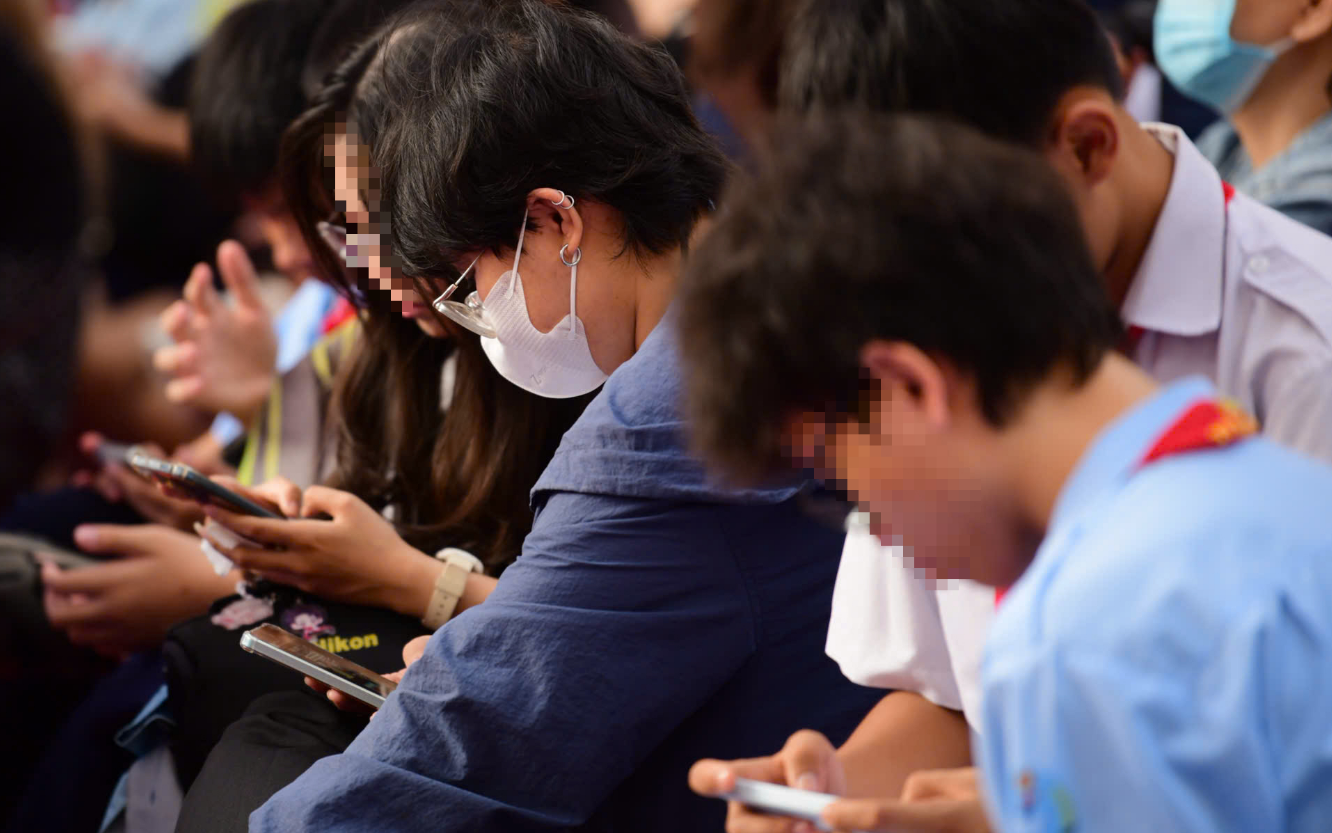
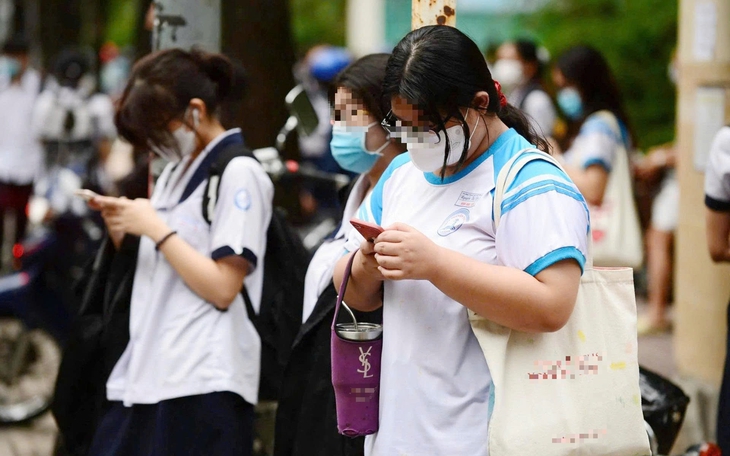
In Vietnam, educators and authorities are expressing concern over the growing impact of excessive smartphone and social media use on student behavior, as cases of school bullying and violence continue to draw public attention.
From private chat groups used to spread rumors and humiliation to late-night meetings arranged to 'settle things face to face,' an increasing number of children are becoming victims of violence that begins online and unfolds in real life.
Threats from virtual world
L.A., 19, from Hanoi’s Thanh Xuan Ward, said the most traumatic memory from her school years came just before she entered 12th grade, when she unexpectedly became a victim of both school violence and cyberbullying.
L.A. said she used to be part of a group of close friends but she gradually distanced herself after noticing increasingly negative behavior and wanting to focus on her studies.
She did not expect that decision to make her a target of bullying.
The former friends created Facebook and Instagram pages, posting her personal photos alongside insulting, fabricated, and humiliating content.
“After I woke up one morning, my phone was flooded with messages, links, and screenshots sent by friends and even strangers,” L.A. recalled.
“I felt shocked, ashamed, and afraid that the people who loved me would stop trusting me.”
The harassment soon moved beyond social media.
According to L.A., the group later invited her out late at night for what they described as a constructive conversation before physically attacking her near her home.
She initially believed the violence would end there, but videos of the assault were later circulated online, leaving her in a prolonged state of panic and insomnia.
“There were times when I just wanted to sleep for a very long time and wake up with enough strength to keep going,” she said.
What troubled her most, she added, was that she did not dare tell her family because she feared they would not believe her.
Only after her younger sister informed their mother did she finally break down and open up about what had happened.
“My mother didn’t scold or blame me. She simply comforted me,” L.A. said.
“That was when I truly felt safe and realized I wasn’t alone.”
Support from her family, homeroom teacher, and classmates gradually helped her recover.
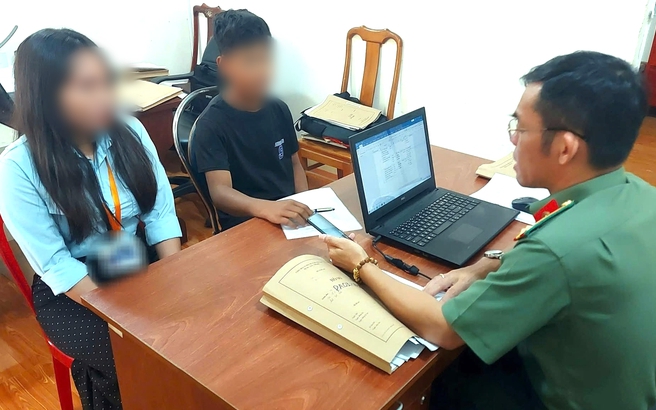
Encouraged by those around her, L.A. later filed a police report and transferred to another class to avoid contact with the group and focus on her studies.
Based on her experience, she urged young people facing school violence or online harassment to speak up and seek support from family members, teachers, and authorities.
“Social media may be virtual, but the pain is real,” she said.
“Don’t keep everything inside because everyone deserves to live safely and be protected,” the girl added.
Children spend nearly all day online
Lam Thi Hong Khanh, a teacher at Vien An High School in Hanoi, said social media helps students connect, entertain themselves, and access information, but it also carries serious consequences.
“More than 90 percent of fights, including incidents that occur outside school grounds, are linked to social media in some way,” Khanh said.
“Students leave comments, create groups to bad-mouth each other, and eventually end up fighting in real life.”
Since the beginning of this school year, the school has prohibited its students from bringing phones to class and asked parents to sign commitments, though smartphone use among children remains widespread, she added.
“Many parents work all day, so it is understandable for them to leave their phones at home for their children," Khanh said.
“Teachers also assign homework through Zalo, so students always have a reason to use their phones.
“Some spend the entire day staring at their screens, moving from social media to gaming."
Nguyen Thi Phuong Thuy, a teacher at Tan Trieu High School in Hanoi, said nearly all students in her classes use social media regularly.
Many students admitted that they spend almost the entire day on TikTok, YouTube, or Facebook when not in school, she said.
Others attend classes but neglect homework in favor of phones, games, and social media.
The consequences are also appearing at younger ages.
“Sixth graders are already posting videos swearing at each other or indirectly insulting classmates on TikTok before forming groups at school,” Thuy said.
By eighth and ninth grade, some students are messaging each other about relationships, fighting over partners, and arranging confrontations.
She added that one ninth-grade student even dropped out after having a phone confiscated during class.
Calls for stronger family involvement
Teacher Thuy said completely banning children under 16 from using social media may be unrealistic under current conditions, but stronger and more coordinated measures are needed to reduce the harmful effects of online platforms on children.
According to her, technology companies should introduce age-appropriate content controls, limit screen time for minors, or automatically lock applications after prolonged use.
Families, meanwhile, need to spend more time supervising and communicating with their children instead of relying on phones as distractions.
Teacher Khanh also stressed the need for closer coordination among families, schools, technology platforms, and regulators, warning that online harassment could continue escalating into real-world violence if left untracked, with lasting consequences for children’s mental health and future development.
Several countries have introduced restrictions on social media use for children under 16.
The debate is now growing in Vietnam over whether similar measures are needed or how society should respond to the increasing consequences of excessive social media use among children.
Van Giang - Duong Lieu / Tuoi Tre News
Link nội dung: https://news.tuoitre.vn/social-media-smartphone-overuse-fuel-concern-over-school-bullying-in-vietnam-103260526120435903.htm