
Social media trend of pricking, wet cupping to prevent strokes raises concern in Vietnam
A social media trend promoting finger-pricking, wet cupping and even drawing blood from the neck as ways to prevent or treat strokes is raising concern in Vietnam, as medical professionals warn that such unproven practices could delay emergency treatment and put patients at greater risk.
Doctor Doan Du Manh, a member of the Vietnam Vascular Disease Association, told Tuoi Tre (Youth) online newspaper that the belief that pricking a fingertip or cupping to draw blood can treat or prevent strokes has no medical basis.
There is currently no clinical evidence that pricking a fingertip to draw blood can improve the condition of stroke patients, Manh said.
Instead, using unproven methods during a medical emergency could delay the patient's arrival at a medical facility and reduce the chance of timely treatment.
Cupping is not a stroke treatment
A stroke is a medical emergency in which every minute of delay can increase brain damage. Patients should be taken to a medical facility capable of diagnosing and treating strokes as soon as possible.
Manh said cupping, when properly prescribed and performed as part of traditional medicine, may be used to help relax muscles and relieve pain in some cases.
However, this is completely different from using cupping to treat or prevent strokes.
More concerningly, some social media posts promote cupping and drawing blood from the neck to improve blood circulation, remove blood clots or help stroke patients, despite these claims being inconsistent with how strokes develop.
“Using suction devices around the neck, near the carotid arteries, can damage blood vessels and increase the risk of blood clots or other serious vascular complications,” Manh said.
“For people already showing signs of a stroke, inappropriate pressure or other interventions in this area can pose even greater risks.”
There are currently no official statistics on the number of stroke patients who have arrived at hospitals late after their families tried methods such as pricking or wet cupping.
However, experts warned that turning to unproven methods can waste precious time during the emergency treatment window.
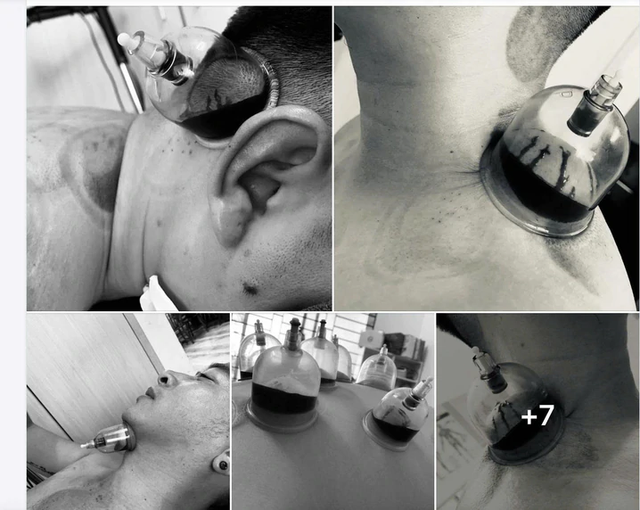
Screenshots show people using pricking and wet cupping as purported stroke treatments in Vietnam.
Be cautious with health information on social media
Manh urged people to distinguish between supportive treatments prescribed by medical professionals and unverified health claims circulating online.
The fact that an individual shares personal experience, has many followers or attracts many people who imitate a method on social media does not mean that the method has been scientifically proven to be safe or effective.
For every minute a stroke patient goes untreated, about 1.9 million brain cells, 3.1 billion neural connections and 12 kilometers of nerve fibers can be lost, according to the American Stroke Association.
The figures highlight the urgency of recognizing and treating strokes promptly.
When someone shows signs of a possible stroke, such as facial drooping, weakness or paralysis in the limbs, difficulty speaking or sudden loss of balance, people should immediately call 115 for emergency medical assistance and take the patient to a medical facility capable of providing stroke treatment.
“While waiting for emergency services, do not prick the patient’s finger to draw blood, perform cupping, vigorously massage the neck, give the patient medication or use unproven folk remedies,” Manh said.
“These measures cannot replace specialized diagnosis and treatment and could cause patients to lose their chance of receiving timely intervention.”
Thanh Ha - Duong Lieu / Tuoi Tre News
Link nội dung: https://news.tuoitre.vn/social-media-trend-of-pricking-wet-cupping-to-prevent-strokes-raises-concern-in-vietnam-103261008151714775.htm