
Vietnam bets on identity, experiences to sharpen tourism appeal
Vietnam is shifting its tourism strategy away from relying on abundant natural and cultural resources and rising visitor numbers toward creating greater value through local identity, distinctive experiences, stronger management and broader benefits for destinations and communities.
Vietnam has abundant tourism resources, but these alone are no longer enough to ensure competitiveness.
As the tourism industry enters a new phase of development, local identity must become a distinctive advantage, experiences must generate greater value, and tourism growth must deliver tangible benefits to destinations, communities and the wider economy.
Vietnam is pursuing a new development approach for tourism, moving beyond resource exploitation and visitor growth toward greater cultural value, higher-quality experiences and stronger management capacity.
Under this approach, identity becomes an advantage that is difficult to replicate, experiences turn distinctiveness into economic value, and tourism performance is measured not only by revenue and visitor numbers but also by how much of that value stays in the local and national economy.
Over the past decade, Vietnam’s tourism industry has expanded significantly in terms of scale, market reach, infrastructure and service capacity.
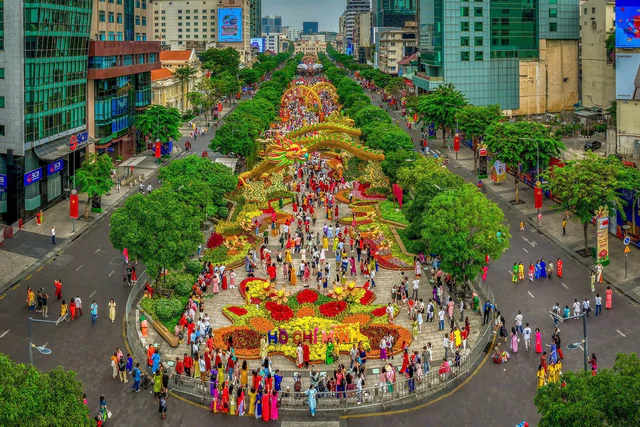
Local values create differentiated appeal. Photo: Nguyen Trang Kim Cuong
However, its growth has also exposed limitations: growth in visitor numbers has not always translated into greater efficiency, abundant resources have not automatically produced locally-rooted tourism products, and many destinations have developed similar models.
An advantage emerges when resources are enriched with knowledge, interpreted through culture, reimagined through creativity and transformed into well-organized experiences.
From this perspective, competing through identity and creating value through experiences is not merely a strategy for developing tourism products. It reflects a broader shift in how Vietnam views tourism development.
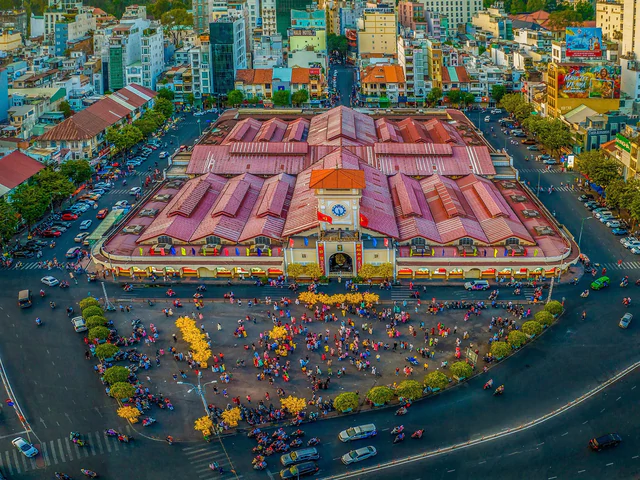
Visitors experience local attractions. Photo: Nguyen Trang Kim Cuong
Tourism value creation
Vietnam sets a target for tourism to contribute 10-12 percent of GDP directly by 2030, welcome 45-50 million international visitors and 160 million domestic tourists, as well as generate total tourism revenue of US$80-90 billion.
By 2045, tourism is expected to contribute 14-15 percent of GDP directly, with Vietnam aiming to rank among the world's 30 most competitive tourism destinations.
The issue for the sector, however, is not simply how much wealth tourism generates, but where that wealth is retained, who benefits from it and what costs are incurred in the process. This is the dividing line between simple growth and more sustainable development.
Tourism revenue reflects only part of the industry's contribution. The deeper value lies in the competitiveness of Vietnamese businesses, community livelihoods, the vitality of cultural heritage, environmental quality and the country's soft power.
Tourism can truly become a key economic sector only when it creates wealth while strengthening the foundations of the country's long-term development.
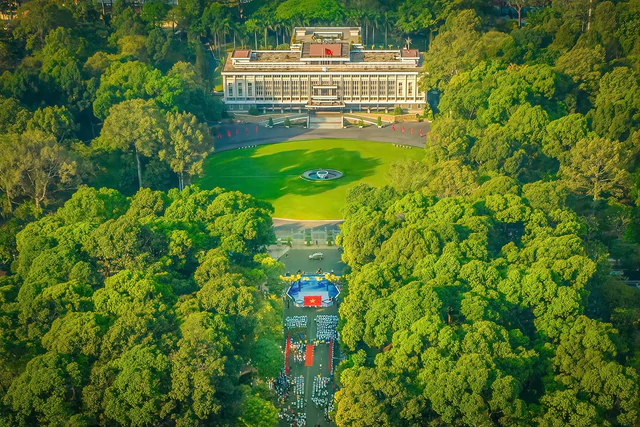
Distinctive experiences help destinations stand out. Photo: Nguyen Trang Kim Cuong
Identity as hard-to-replicate advantage
Vietnam considers culture as a core foundation and identity and experience quality as competitive advantages.
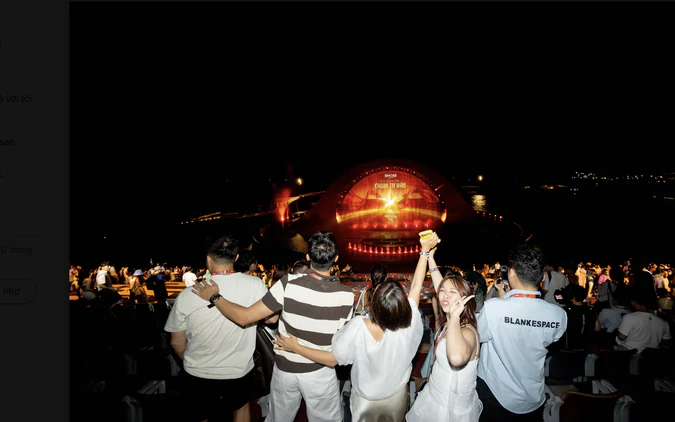
Resources are what a destination possesses. Identity is the combination of values that makes a place recognizable and difficult to replace.
Identity should therefore not be treated as decoration added after a tourism product has been created. It should shape how a destination chooses its stories, organizes its spaces, designs its services and builds relationships with visitors.
Identity can be found in landscapes, memories, heritage, lifestyles, traditional crafts, cuisine, language and local knowledge. But these elements become development assets only when they are properly identified, responsibly preserved and presented in ways that resonate with contemporary visitors.
Communities play a decisive role in this process. Local residents are the creators, practitioners and custodians of local identity.
In a world where infrastructure, technology and amenities are increasingly easy to replicate, identity is one of the most sustainable sources of differentiation. Destinations are not simply competing to offer more; they are competing to present their own identity more convincingly.

A scenic view of Sa Pa in northern Vietnam. Photo: Harry Bradley
Experiences turn distinctiveness into value
If identity creates differentiation, experiences are the mechanism that turns that differentiation into value.
An experience is not simply a feeling generated during a trip or a layer of packaging added to an existing product.
It is the result of deliberately organizing the entire visitor journey, from searching for information and traveling to a destination to accommodation, sightseeing, interaction, shopping and creating lasting memories.
Visitors do not simply buy a ticket, a hotel room or a meal. They experience the connections between places, stories, people and services.
The value of an experience therefore lies not in individual products alone, but in how seamlessly and thoughtfully the entire journey is designed.
A heritage site that simply opens its doors and sells tickets offers limited value to visitors. But if it offers compelling interpretation, themed routes, capable guides, well-designed digital experiences and connected services around the site, visitors can gain a deeper understanding, stay longer and develop a stronger connection with the destination.
This added value does not come from exploiting resources more intensively, but from adding knowledge, creativity and organizational quality to them. This represents a shift from a resource-based tourism economy toward an experience economy.
High quality does not necessarily mean high prices. An authentic community tour, a well-organized walking route, an accessible museum or a meal that tells the story of its origins can all constitute high-quality experiences.
Quality lies in the depth of content, service reliability, thoughtful design, environmental responsibility and visitors' sense of being valued.
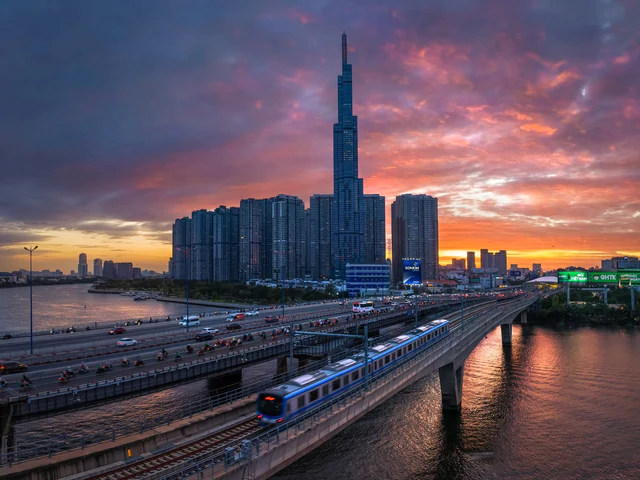
A view of Landmark 81 in Ho Chi Minh City. Photo: Pham Quynh Nga
Building integrated tourism ecosystem
Tourism should be viewed as an integrated economic ecosystem, connected to trade, transport, cultural and creative industries, agriculture, the digital economy and the night-time economy.
A destination's competitiveness is the result of planning, transport infrastructure, visa policies, the business environment, cultural institutions, safety, technology and the quality of human resources.
The government creates institutions and infrastructure; businesses develop products and markets; communities co-create and benefit from tourism; and research and training institutions, together with creative professionals, provide knowledge, talent and content.
What matters is not simply the participation of multiple stakeholders but their ability to create synergies.
Digital transformation should not stop at QR codes, information websites or promotional campaigns. Technology is meaningful only when it improves productivity and the quality of decision-making.
Likewise, green transformation must become a development standard. A destination cannot be considered prosperous if revenue increases while its landscapes deteriorate, ecosystems are damaged and local communities bear hidden costs.
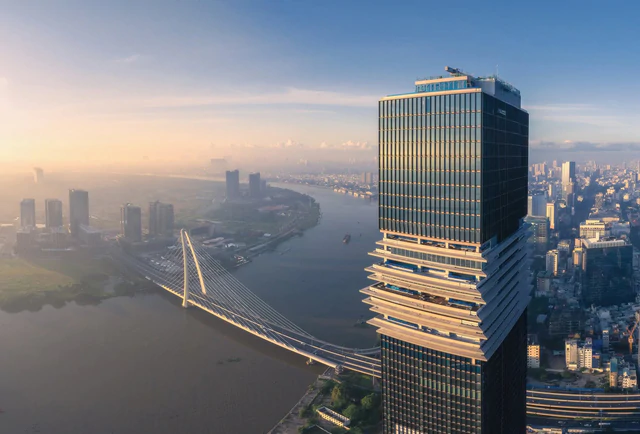
An aerial view of Ho Chi Minh City. Photo: Le Thi Minh Trang
Ho Chi Minh City: leading tourism center
Ho Chi Minh City is positioned as one of Vietnam's three tourism growth poles. Its role should be measured by its ability to lead the market, connect value chains and establish new standards for products, experiences and management.
The city's greatest advantage does not lie in any single tourism resource but in its ability to bring together people, knowledge, capital, technology and creativity.
Urban heritage, cuisine, healthcare, MICE tourism, shopping, entertainment, waterways, the night-time economy and cultural industries can become competitive strengths only when they are organized into themed journeys and an integrated, high-quality service ecosystem.
The city needs to move beyond being simply a gateway for visitors and become a center for content creation, visitor-flow management and market data, connecting events, cultural products and tourism activities with wider economic and cultural development.
A growth pole should not only generate growth for itself. It must open new paths, establish standards and spread development opportunities. That is what makes a growth pole truly influential.
* This article was originally written in Vietnamese by Dr. Ta Duy Linh, director of the Ho Chi Minh City Institute for Economic and Tourism Development Studies, and rewritten in English by Tuoi Tre News.
Tuoi Tre News
Link nội dung: https://news.tuoitre.vn/vietnam-bets-on-identity-experiences-to-sharpen-tourism-appeal-103260904154832821.htm