
Vietnam’s coffee market set to top $1 billion as value-added products gain ground
Vietnam’s coffee market is projected to exceed US$1 billion by 2035, driven by rising domestic and global demand and a shift toward higher-value coffee products.
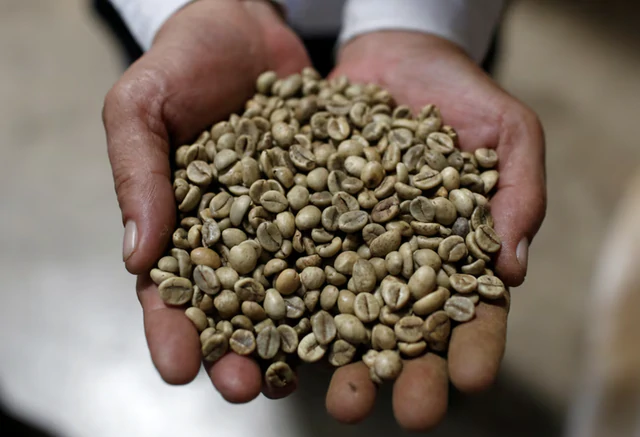
Coffee beans from a growing area in the former Binh Duong Province, now part of Ho Chi Minh City. Photo: Reuters
According to Market Research Future, the market was valued at $548.5 million in 2025 and is projected to rise from $584.15 million in 2026 to about $1.03 billion by 2035, reflecting a compound annual growth rate (CAGR) of 6.5 percent.
Robusta remains dominant
Robusta is expected to remain the backbone of the market, accounting for around 86.25 percent of its value in 2025.
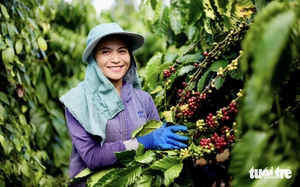
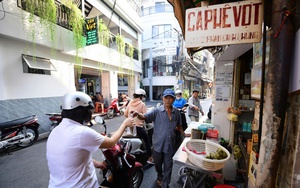
Widely used in instant coffee, espresso blends, ready-to-drink beverages, and other mass-market products, robusta continues to underpin Vietnam’s position in the global coffee supply chain.
But the market is increasingly moving beyond volume and low-cost production.
Producers and processors are paying greater attention to premium robusta, controlled fermentation, improved drying techniques, specialty coffee, certification, and direct relationships with buyers.
More consistent quality and better traceability could help Vietnamese farmers and exporters capture higher margins and compete on more than price, the report said.
Moving up coffee value chain
Vietnam remains one of the world’s key robusta production hubs, with the Central Highlands at the heart of the industry.
Future growth is expected to come increasingly from value addition rather than simply higher output, with opportunities in roasted coffee, instant coffee, ready-to-drink products, specialty coffee, and branded products.
Vietnam’s coffee sector is also shifting from expanding farmland to improving productivity through replanting, better varieties, irrigation, post-harvest processing, and tighter quality control.
At the same time, stricter sustainability and traceability requirements in major export markets are pushing farmers, cooperatives, processors, and exporters to modernize their supply chains.
For companies targeting Europe, plot-level mapping, digital records, supplier verification, and end-to-end traceability are becoming increasingly important.
Businesses able to integrate these systems into sourcing and processing could gain better access to premium markets and build stronger ties with global roasters.
Instant coffee takes lead
Instant coffee accounted for about 40.05 percent of Vietnam’s coffee market sales in 2025, making it the largest product segment.
Vietnam has built substantial instant coffee production capacity with participation from both domestic and international companies, according to Market Research Future.
The segment continues to benefit from its convenience, affordability, long shelf life, and popularity among households and office consumers.
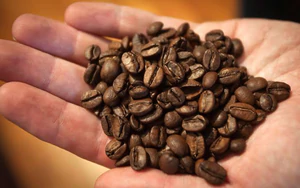
Ngoc Nguyen - Nghi Vu / Tuoi Tre News
Link nội dung: https://news.tuoitre.vn/vietnams-coffee-market-set-to-top-1-billion-as-value-added-products-gain-ground-103260828162946836.htm