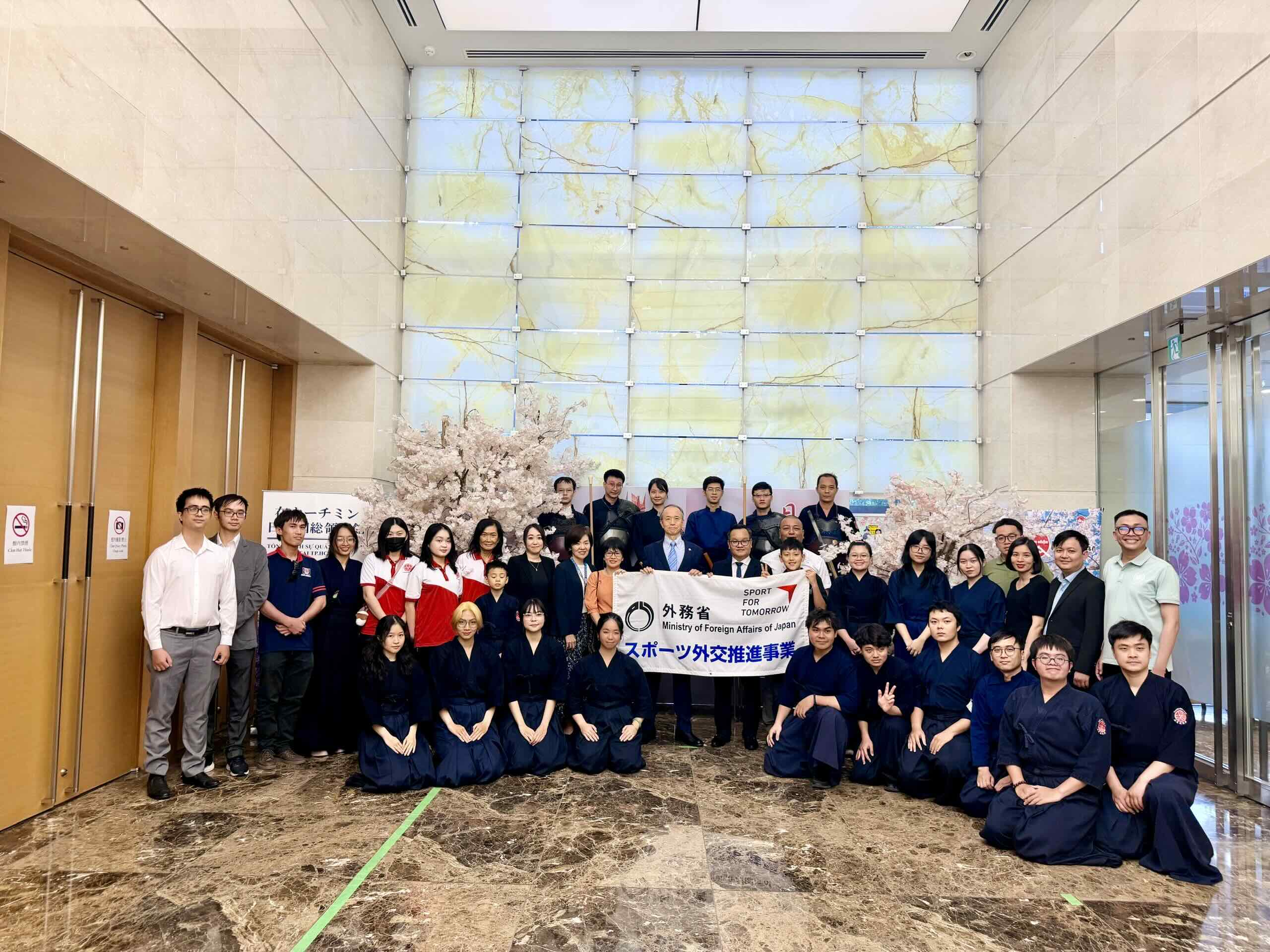
HCMC - Japan on June 18 donated 20 sets of Jukendo training equipment to the HCMC Kendo Federation under the Japanese Foreign Ministry’s 2025 Sports Diplomacy Promotion Program, aiming to support the development of Japanese martial arts and people-to-people exchanges between Japan and Vietnam.
More than a century ago, a physicist was astonished to see a private individual funding basic scientific research. The story remains strikingly relevant today, as an increasing number of businesses face a fundamental question: what role can they play in supporting the fields that shape a nation’s future?
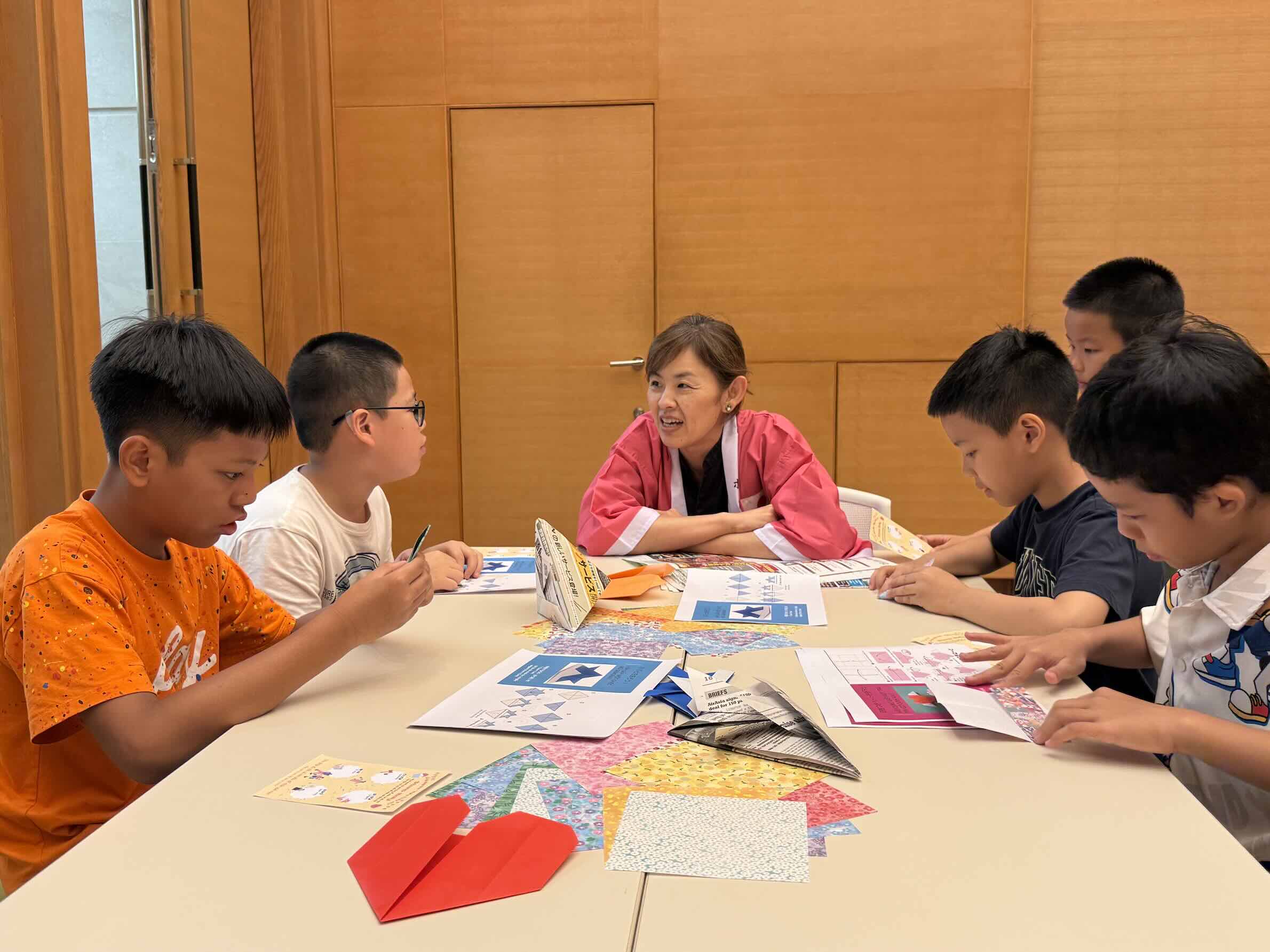
HCMC – Japan's Consulate General in HCMC on June 5 promoted traditional cultural activities among Vietnamese children as part of efforts to strengthen long-term people-to-people ties between Japan and Vietnam.
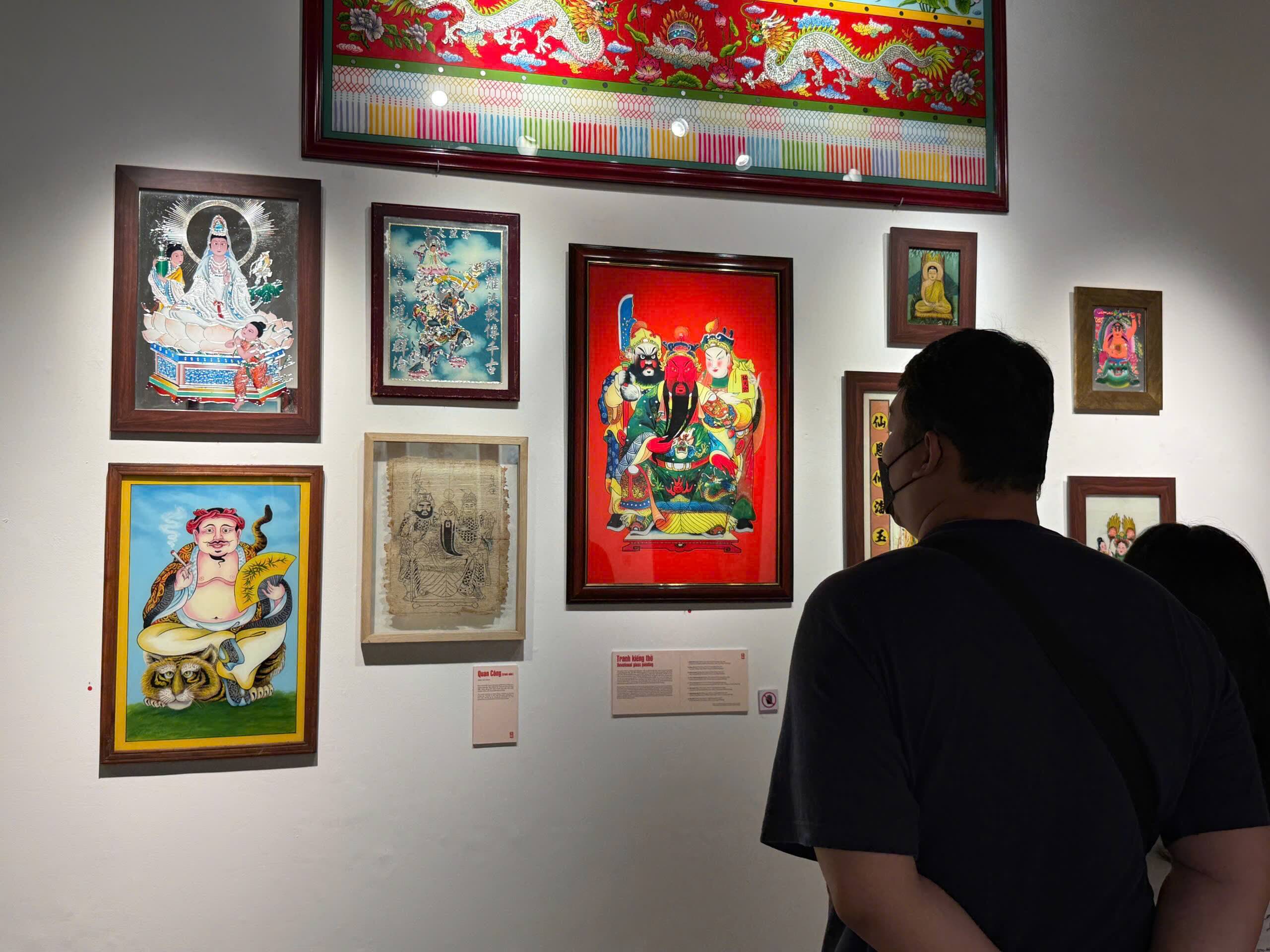
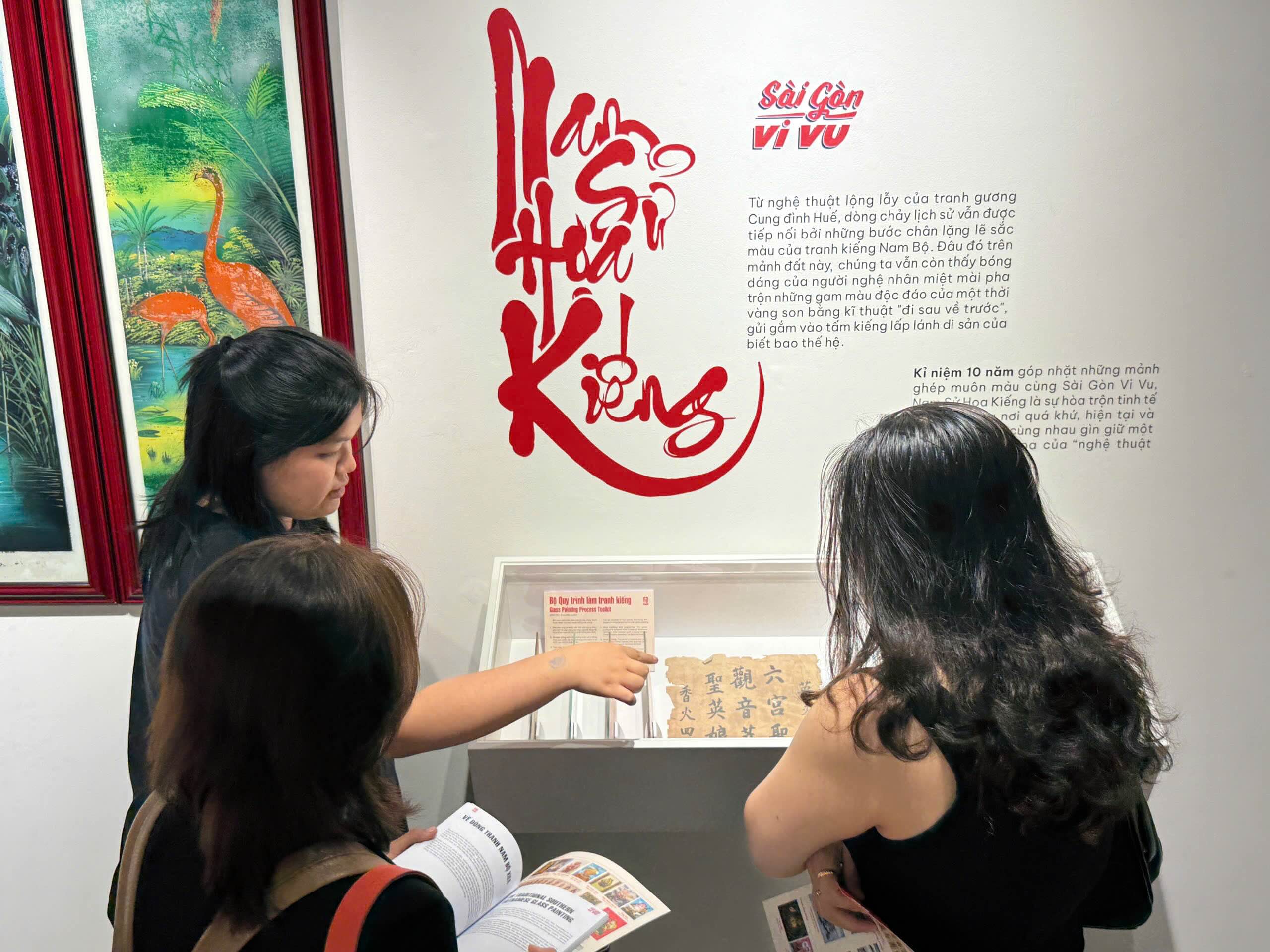
HCMC - An exhibition titled “Nam Su Hoa Kieng” is being held at Annam Gallery in HCMC from May 2 to 31 to introduce visitors to the history and development of southern Vietnamese glass painting art.
The exhibition is organized by the Sai Gon Vi Vu project to mark its 10th anniversary and features selected glass painting works reflecting the cultural memories and artistic value of the art form.
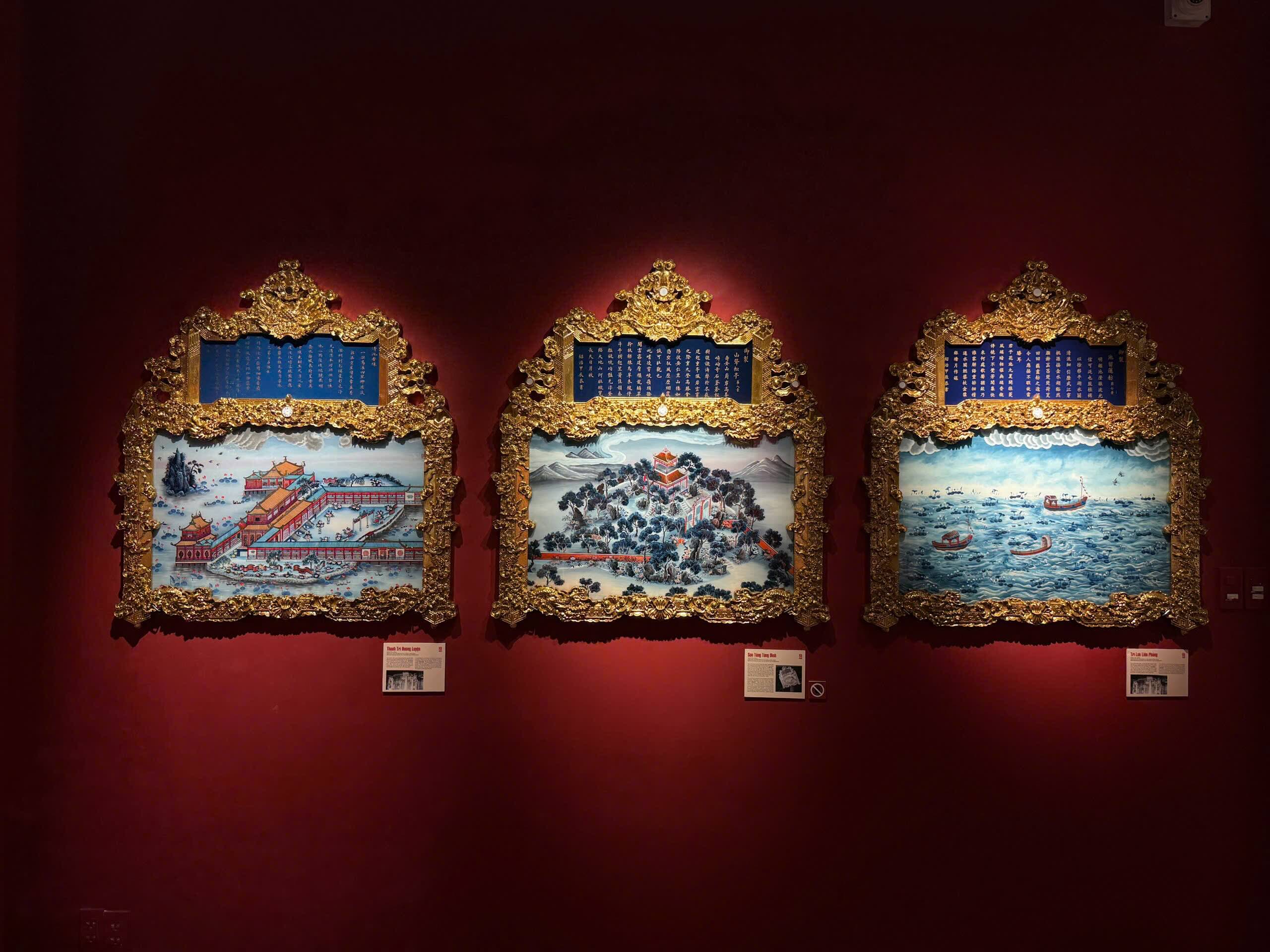
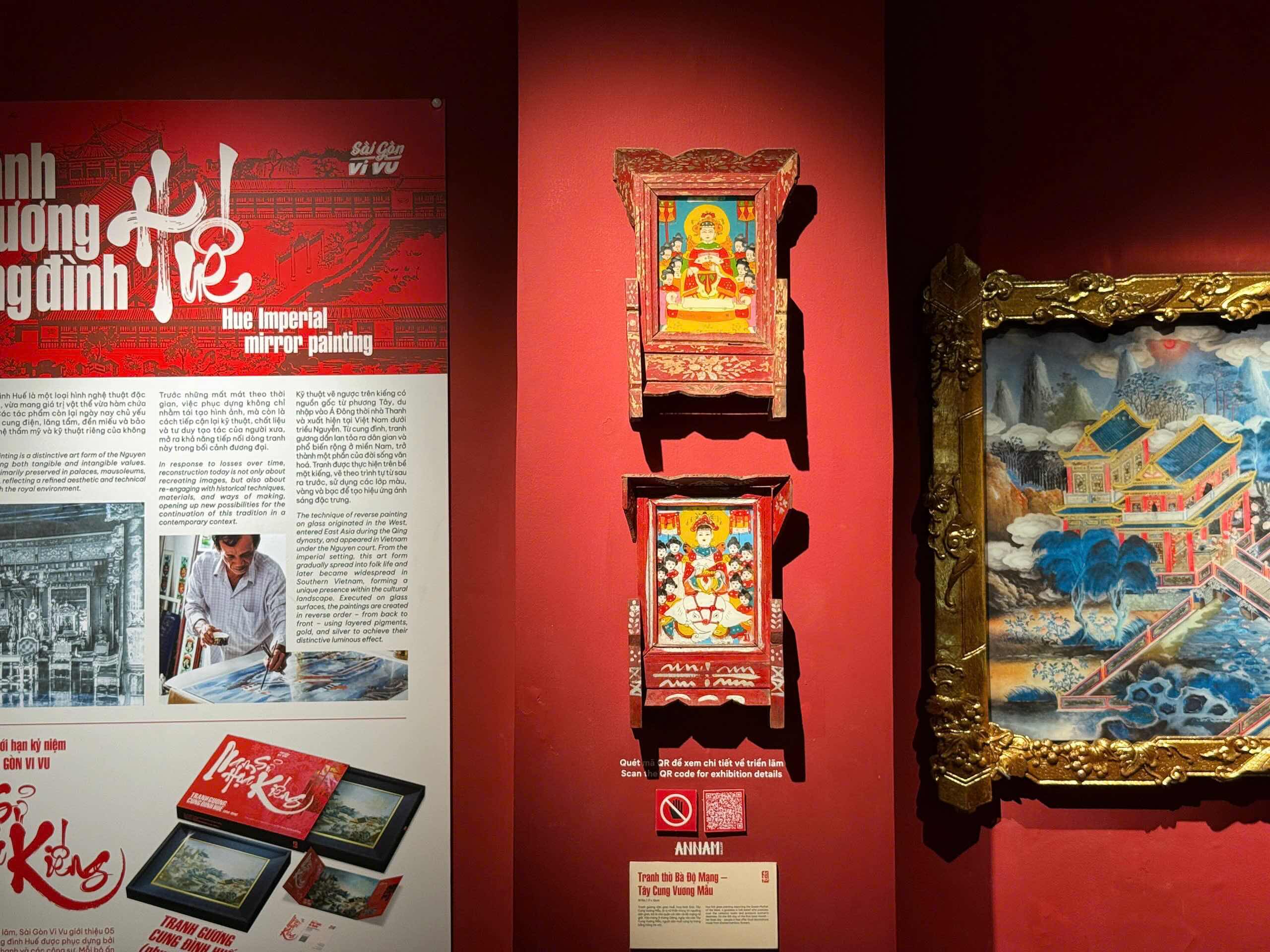
According to the exhibition organizers, glass painting first appeared in the Hue royal court during the reigns of Emperors Minh Mang and Thieu Tri, mainly through Chinese craftsmen and imported paintings.
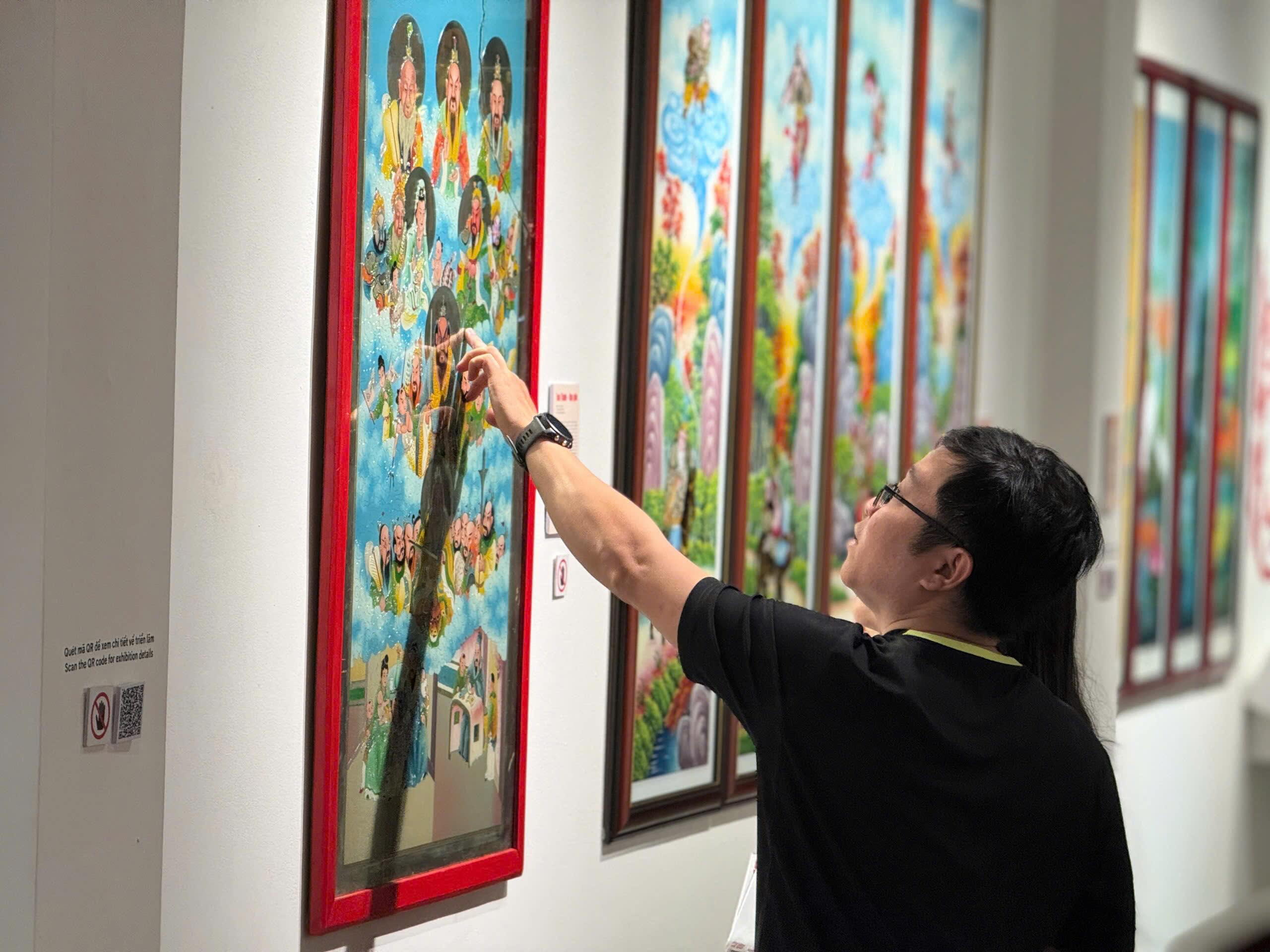
In the early 20th century, the art form developed in Cho Lon as Cantonese Chinese communities settled in the area. Two main categories of glass paintings emerged, including congratulatory paintings and worship paintings.
By the 1920s, glass painting production had expanded to Lai Thieu in present-day Binh Duong Province and later spread across southern provinces. Lai Thieu, Cho Lon and Cho Moi in An Giang Province became key production centers.
The exhibition presents the evolution of Southern glass painting through themes depicting daily life, rural landscapes and religious imagery, alongside changes in aesthetics and techniques over time.
A highlight of the exhibition is the reverse-painting technique on glass, in which artists paint details in reverse order, starting with smaller elements before completing the background.
The exhibition space is divided into three sections featuring original works, restored mirror paintings and contemporary applications of glass painting art.
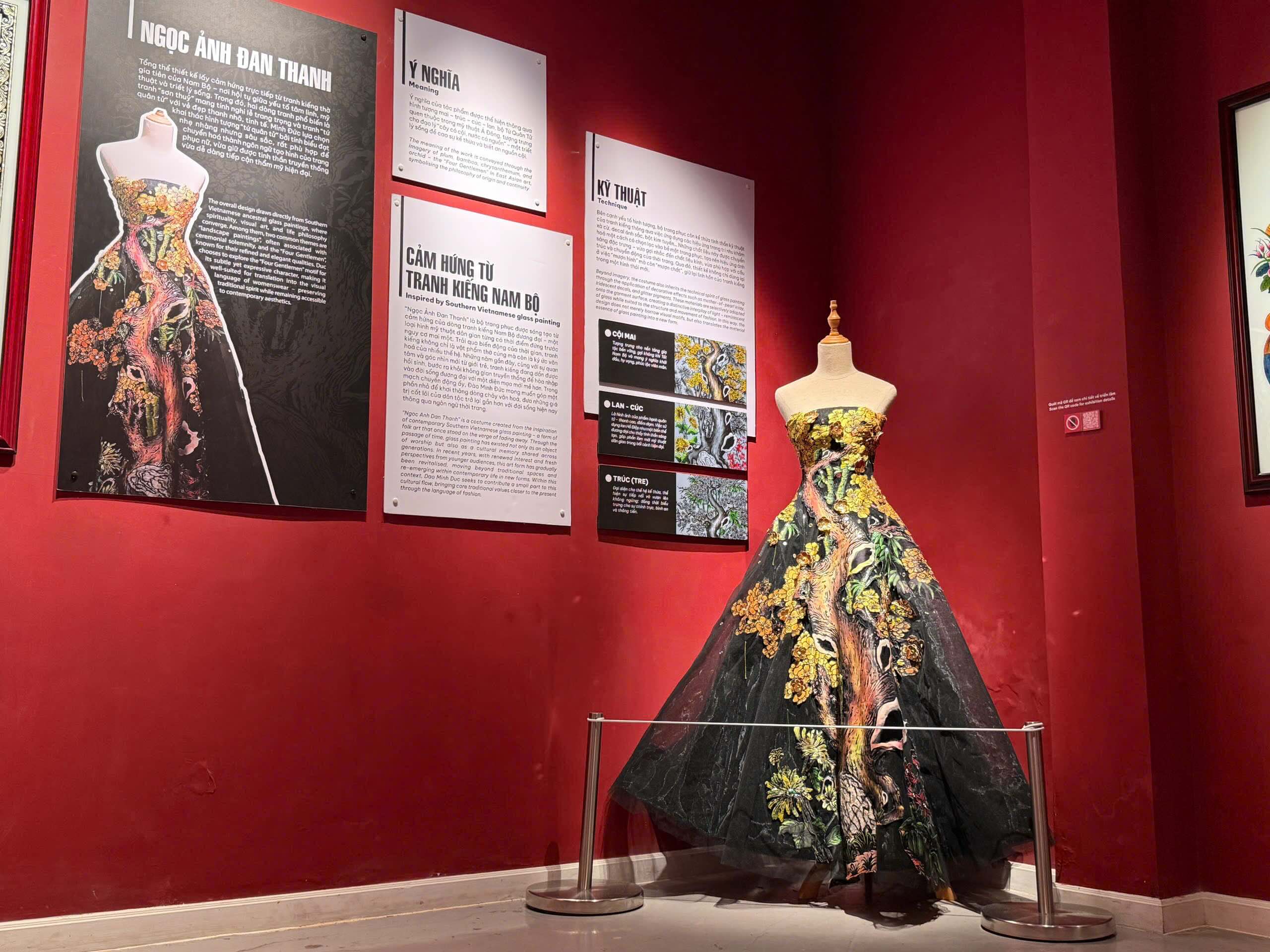
Visitors can also learn about the meanings and uses of the paintings, as well as restoration and contemporary creative efforts involving design, graphics and fashion.
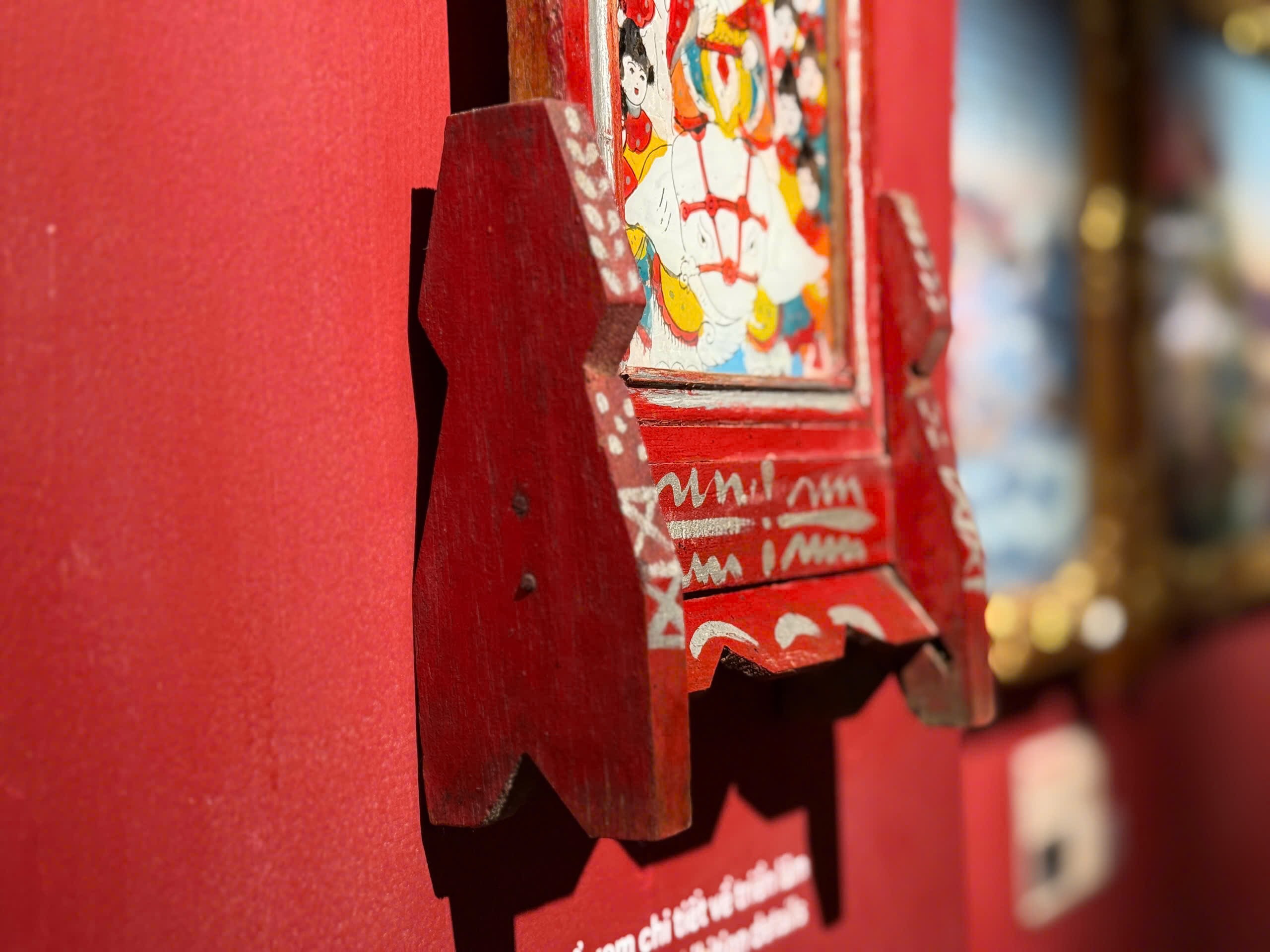
Guests explore the history and craftsmanship behind southern Vietnamese reverse-painted glass worksRestored glass paintings are displayedA visitor examines a traditional glass painting at the “Nam Su Hoa Kieng” exhibitionTraditional religious artworks and historical panels detailing the evolution of glass paintingA close-up detail of a wooden-framed glass paintingA contemporary dress inspired by the themes and aesthetics of southern glass art
HCMC - Japan on June 18 donated 20 sets of Jukendo training equipment to the HCMC Kendo Federation under the Japanese Foreign Ministry’s 2025 Sports Diplomacy Promotion Program, aiming to support the development of Japanese martial arts and people-to-people exchanges between Japan and Vietnam.
More than a century ago, a physicist was astonished to see a private individual funding basic scientific research. The story remains strikingly relevant today, as an increasing number of businesses face a fundamental question: what role can they play in supporting the fields that shape a nation’s future?
HCMC – Japan's Consulate General in HCMC on June 5 promoted traditional cultural activities among Vietnamese children as part of efforts to strengthen long-term people-to-people ties between Japan and Vietnam.