Intake of seasonal fruits and vegetables to benefit your cardiovascular health.
Apart from uncontrollable risks from families and ages, lifestyle and eating and drinking habits have a great impact on health, especially cardiovascular health.
According to Suc khoe & Doi song news site, to protect cardiovascular health, we should live a healthy life, doing physical exercises regularly, maintaining a suitable weight, restricting the use of alcoholic beverages, and quitting smoking. Simultaneously, we should pursue a diet prioritizing healthy foods such as fish, lean meat, vegetables and fruits, whole grains, beans and nuts, and low-fat milk.
Restricting the consumption of foods that are high in sugar, salt and saturated fats; fried foods; fast foods; and alcoholic drinks.
Following are foods, vegetables and fruits recommended for the cardiovascular health:
Fresh fruits and vegetables
Intake of fresh vegetables and fruits is good for health and can help prevent heart diseases, stroke and certain cancers. Fruits and vegetables have abundant vitamins, minerals and dietary fiber that can help reduce LDL cholesterol (considered as “bad” cholesterol) levels in the blood. Leafy greens also have phytochemicals that are good for the heart and the circulatory system.
Healthy fats
Healthy fats, or unsaturated fats, include monounsaturated and polyunsaturated fats that can help improve the cholesterol levels in the blood.
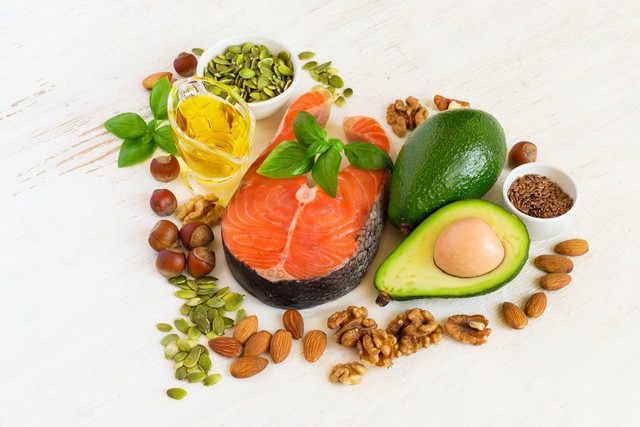
Foods that are rich in unsaturated fats, especially omega-3 fatty acid, include fishes like mackerel, sardine, salmon and tuna; and fruits like olive and avocado, which also contain dietary fiber.
Whole grains
Studies indicate that those who consume foods rich in dietary fiber often have lower level of C-reactive protein (CRP) in the blood. The level of CRP increases when there is inflammation relating to rheumatoid arthritis, diabetes or heart diseases.
Whole grains such as brown rice, oatmeal, and whole wheat flour can supply dietary fiber for the body. Whole grains are also rich in B vitamins and antioxidants.
Pumpkin
Nutritionists consider pumpkin as a healthy and delicious fruit. The squash is rich in beta-carotene, a carotenoid that gives the orange color to pumpkin. Beta-carotene is a provitamin that can be turned into vitamin A in the body. Vitamin A can help prevent heart disease.
Pumpkin seeds are also nutritious and rich in dietary fiber, which can help lower cholesterol levels in the blood and thus reduce the risk of heart diseases.
Apple
Apple has dietary fiber, which can help lower the LDL cholesterol level in the blood, and polyphenols, which are good for cardiovascular health. The fruit also has quercetin, a plant pigment (flavonoid) that has antioxidant and anti-inflammatory effects; and epicatechin, a flavonoid that can help prevent or alleviate cardiovascular diseases and lower blood pressure. An English-language proverb has it that “an apple a day keeps the doctor away.”
Avocado
Containing healthy fats and dietary fiber, avocado is good for cardiovascular health and can help lower the LDL cholesterol level but raise the HDL cholesterol level in the blood.
Pomegranate
The fruit has polyphenols that are good for cardiovascular health. The antioxidants in pomegranate juice can help prevent atherosclerosis (buildup of fats, cholesterol and other substances in and on the artery walls, which is called plaque).
Kale
The high content of dietary fiber in kale is good for cardiovascular health. Its antioxidants can help fight free radicals, which increase the risk of heart diseases.
Sweet potato
This root vegetable is a good supply source of dietary fiber and beta-carotene, which can help reduce the risk of heart diseases and strokes. The potassium in sweet potato can help lower blood pressure.
Tomato
This berry has abundant vitamins, minerals and lycopene (an organic compound), which help prevent free radicals and protect cardiovascular health.