

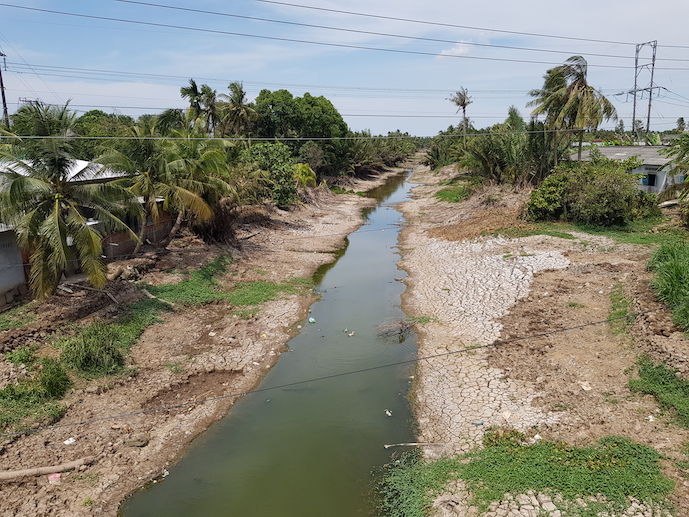
Saltwater intrusion in Mekong Delta region to peak this week
Must read
Tay Ninh seeks US$125 million for waste-to-energy plant
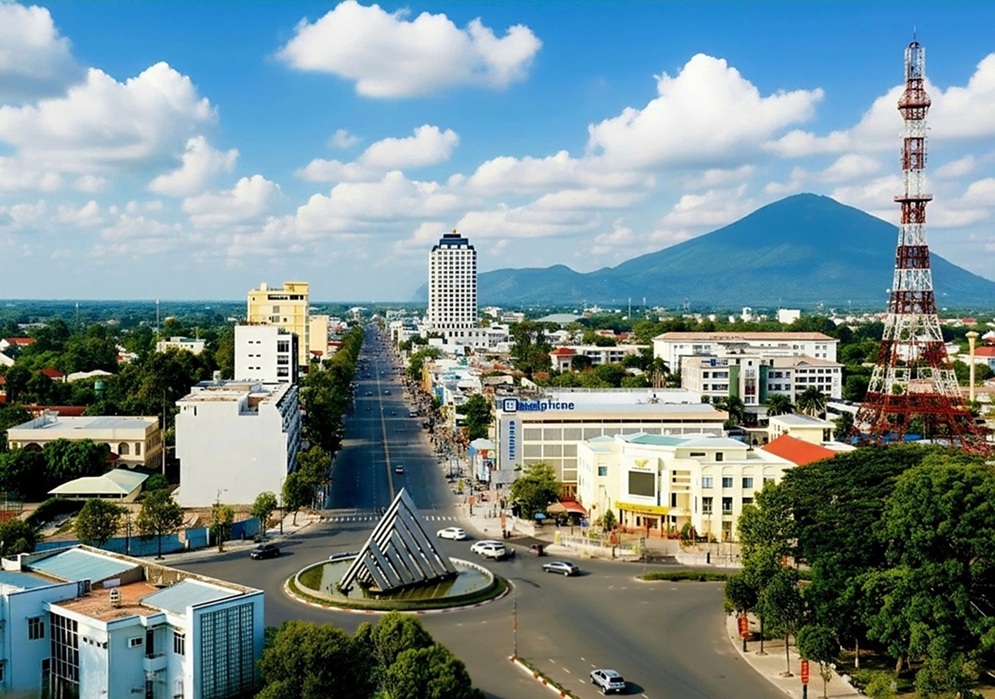
News June 24, 2026HCMC – The southern province of Tay Ninh is seeking to attract more than US$125 million for a waste-to-energy plant using European technology, as it looks to promote the circular economy and expand clean energy development.
HCMC seeks long-term solutions to urban flooding
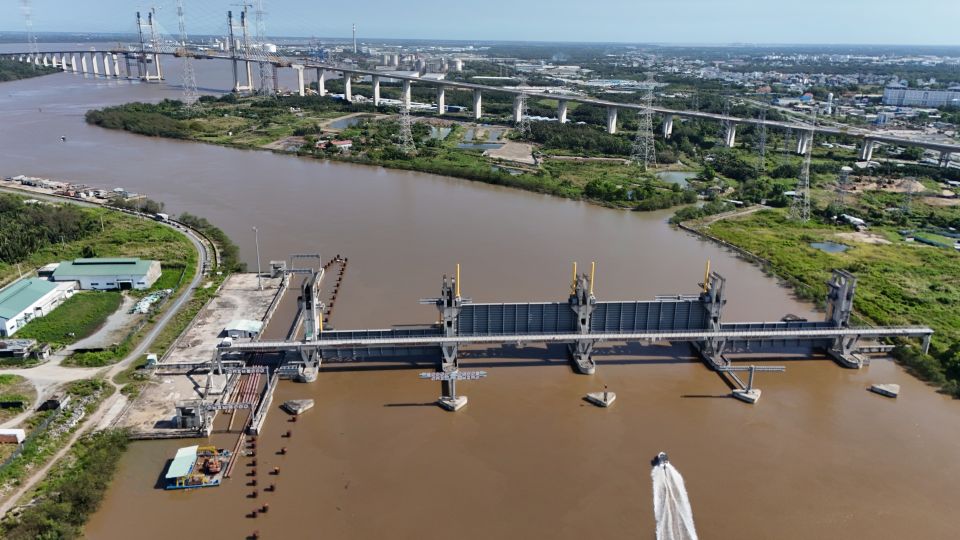
Environment June 17, 2026HCMC – Ho Chi Minh City is at a critical juncture in its water management strategy as it seeks to both remove legal and financial bottlenecks to complete a nearly VND10-trillion tidal flood-control project this year and develop a new flood prevention and wastewater treatment plan with a long-term vision extending to 2060.
HCMC earmarks VND141 billion for river, canal boundary marker project
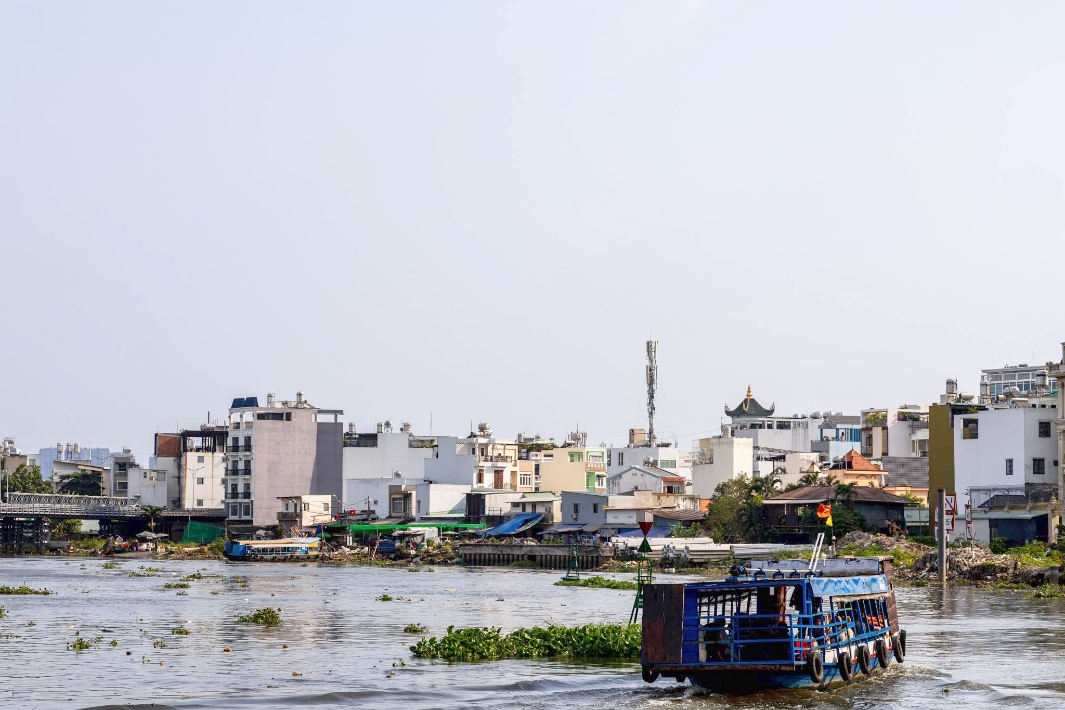
Environment June 12, 2026HCMC - HCMC will spend more than VND141 billion installing around 20,000 boundary markers along the protective corridors of 55 rivers, canals and waterways across the city between 2026 and 2029.
Latest articles
Tay Ninh seeks US$125 million for waste-to-energy plant
News June 24, 2026HCMC – The southern province of Tay Ninh is seeking to attract more than US$125 million for a waste-to-energy plant using European technology, as it looks to promote the circular economy and expand clean energy development.
HCMC seeks long-term solutions to urban flooding
Environment June 17, 2026HCMC – Ho Chi Minh City is at a critical juncture in its water management strategy as it seeks to both remove legal and financial bottlenecks to complete a nearly VND10-trillion tidal flood-control project this year and develop a new flood prevention and wastewater treatment plan with a long-term vision extending to 2060.
HCMC earmarks VND141 billion for river, canal boundary marker project
Environment June 12, 2026HCMC - HCMC will spend more than VND141 billion installing around 20,000 boundary markers along the protective corridors of 55 rivers, canals and waterways across the city between 2026 and 2029.





