Leg muscles play an important role in human mobility.
Thanks to their vital functioning, leg muscles are often likened to the “second heart” of the body, which help convey blood from the lower limbs to the heart, stabilizing the circulatory system and blood pressure. However, leg muscles also face the risk of fast aging process that badly affects the blood circulation in the lower limbs and increases the risk of varicose veins.
The role of leg muscles
The two main groups of leg muscles are gemellus muscles (superior gemellus and interior gemellus) and soleus muscles, which exert pressure on blood vessels during legs’ contracting and stretching, convey blood from the lower limbs to the heart, release edema and prevent the risk of deep vein thrombosis.
Apart from boosting the blood circulation, leg muscles can also help stabilize blood pressure and prevent dizziness during sudden change of postures. The muscles also help keep the body balance, support knee joints and ankles, facilitate mobility and reduce the risk of trauma. Strong leg muscles can also help ease the pressure on joints and reduce the risk of bone and joint degeneration.
Exercises for leg muscle stretching
Leg muscle stretching is an important exercise aiming at reducing the risk of trauma and pain. Without doing warmup first, strength training lessons may cause muscle strain, or even severe trauma.
Exercise with towel: A simple leg muscle stretching method is an exercise with a long towel. Sit with your entire legs flat on the ground; hold both ends of the towel with the towel’s middle around your toes and pull slightly toward the body; keep this position for 15-30 seconds; repeat the exercise three times.
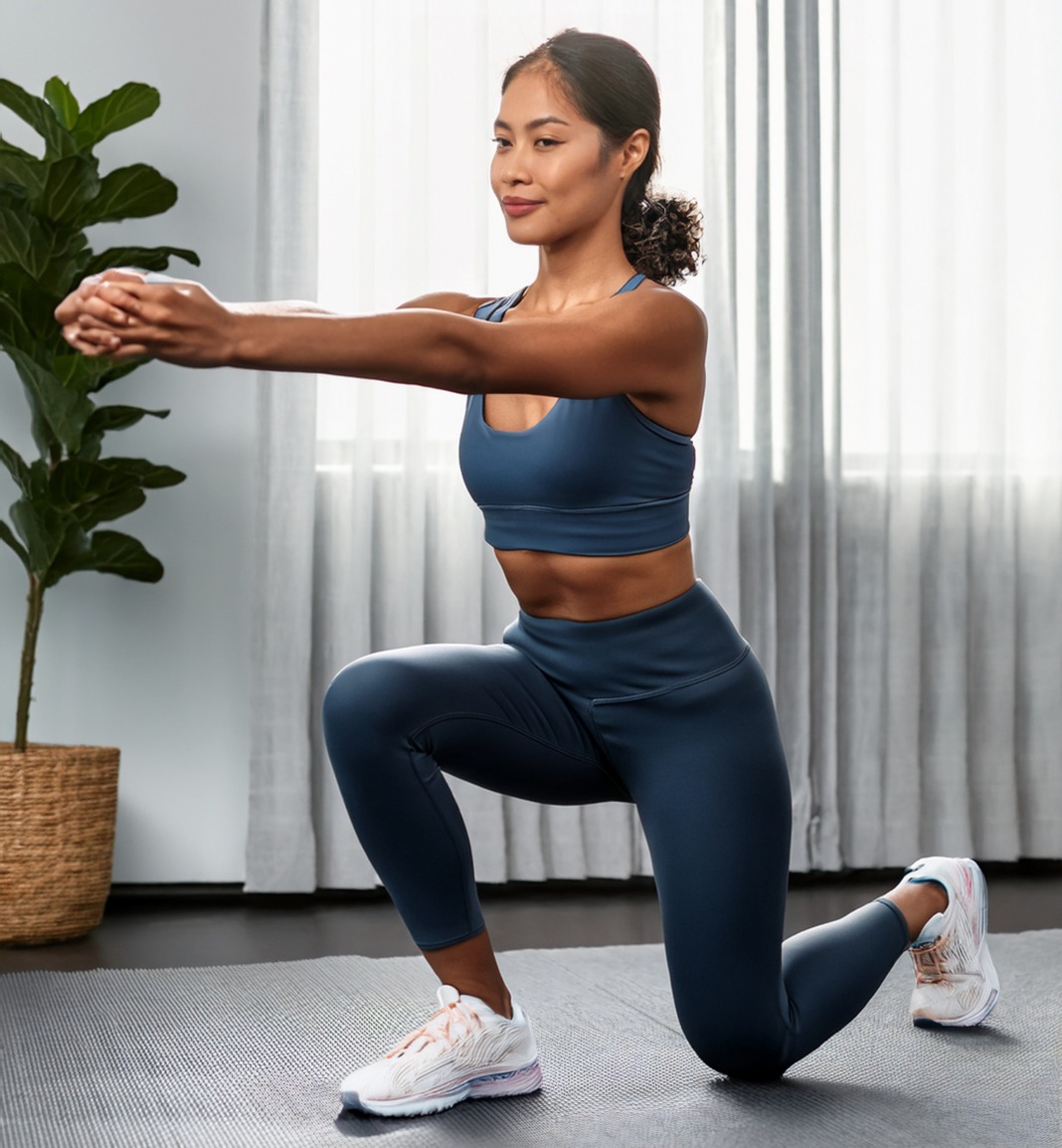
 Squat:
 This simple exercise can help strengthen leg muscles, thigh muscles and the lower part of the body. It can also help reduce the risk of bone and joint diseases, as well as facilitate mobility for those about to enter their old ages.
Tiptoeing: This simple exercise can be done at home or at your office. Just stand up straight with both hands on the wall or on a backrest of a chair; raise your heels as high as you can and then lower them down slowly. Do it 20 times per session, take a short rest and repeat the session. This lesson helps stimulate leg muscles and improve the circulatory system and cardiovascular health.
Stair climbing: Climbing stairs is a simple exercise that helps strengthen leg muscles and the lower body, improve cardiovascular health and increase calorie burn. This lesson can also help accelerate the metabolism process and improve your endurance.