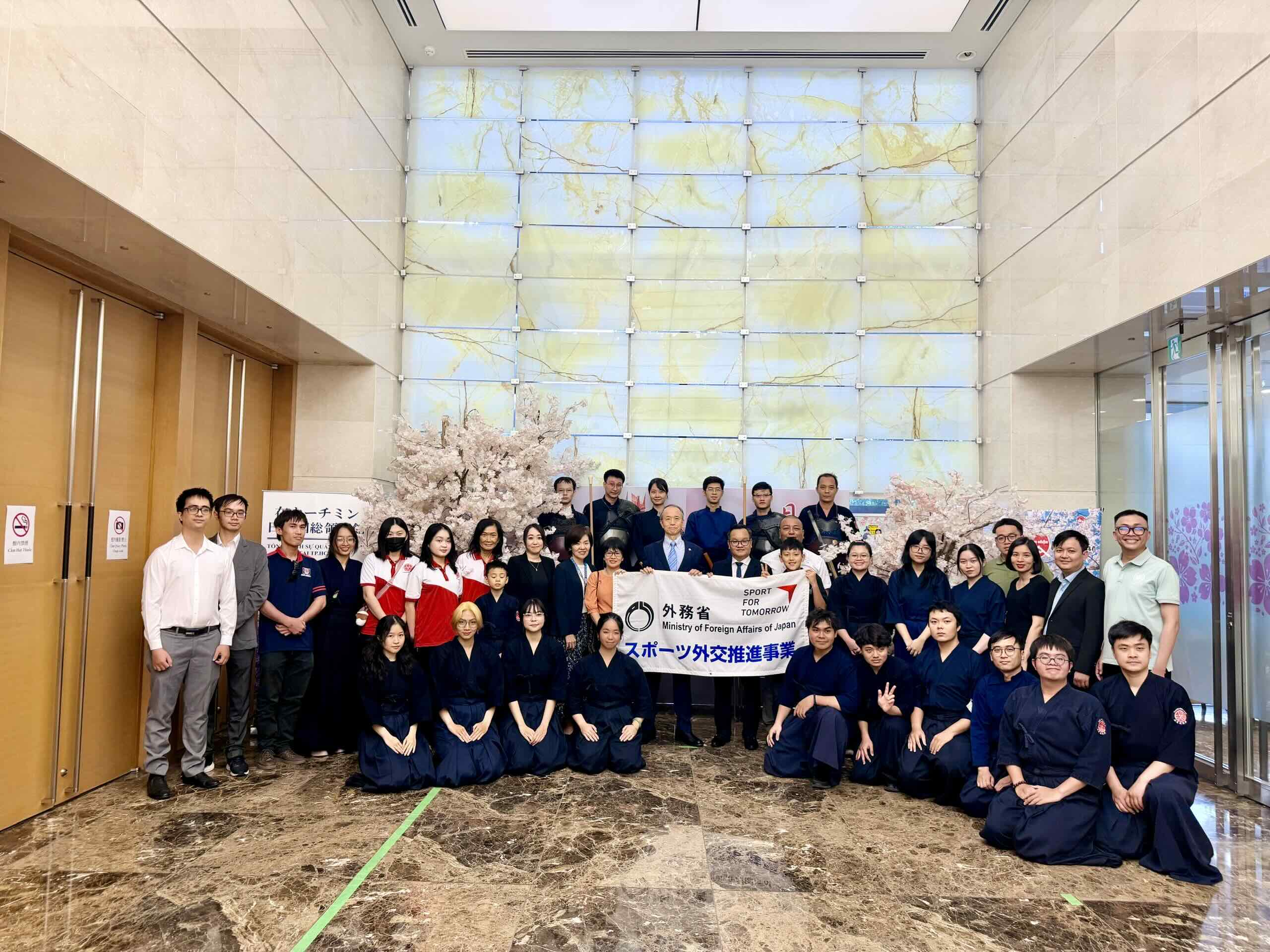
HCMC - Japan on June 18 donated 20 sets of Jukendo training equipment to the HCMC Kendo Federation under the Japanese Foreign Ministry’s 2025 Sports Diplomacy Promotion Program, aiming to support the development of Japanese martial arts and people-to-people exchanges between Japan and Vietnam.
More than a century ago, a physicist was astonished to see a private individual funding basic scientific research. The story remains strikingly relevant today, as an increasing number of businesses face a fundamental question: what role can they play in supporting the fields that shape a nation’s future?
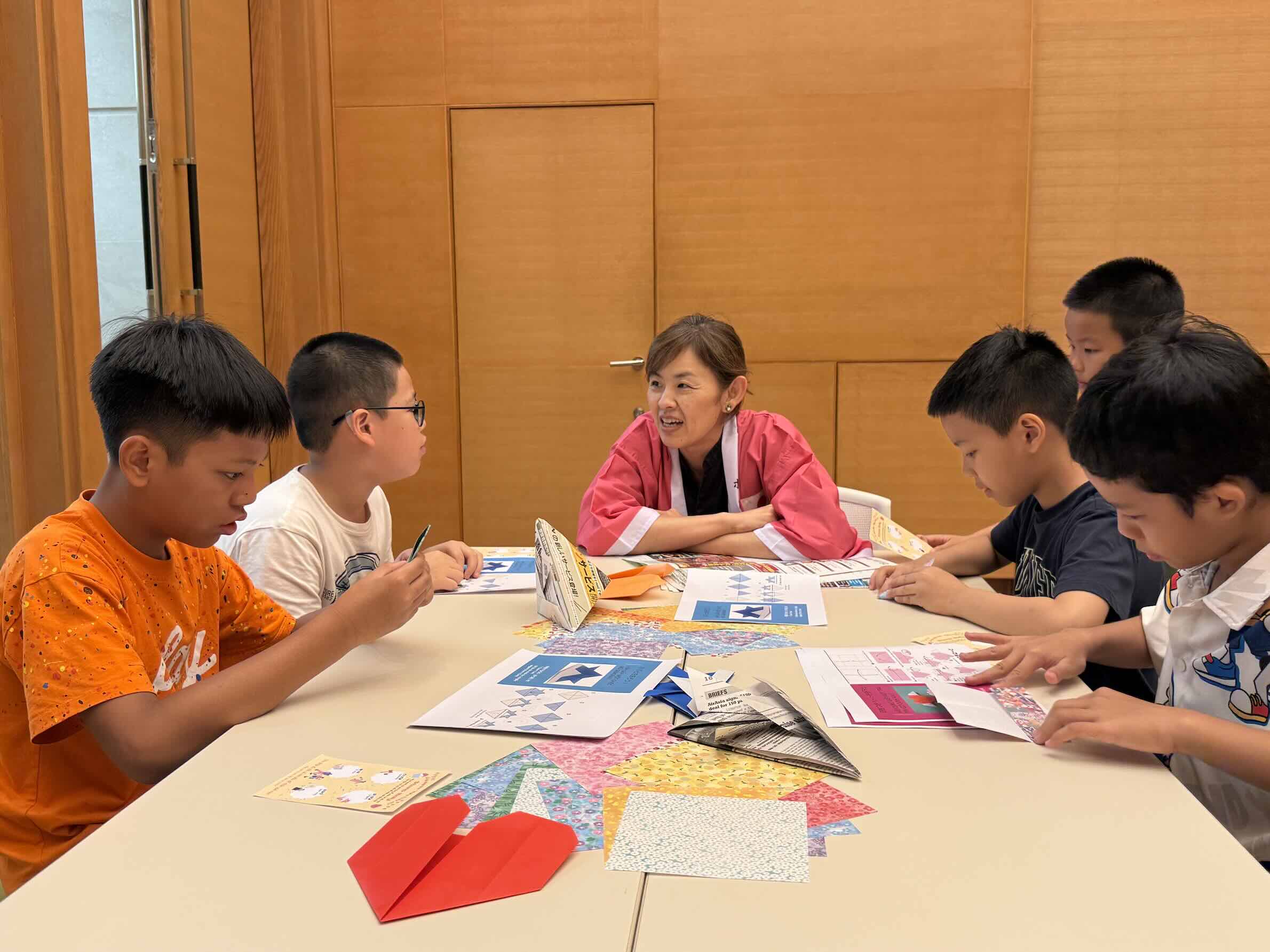
HCMC – Japan's Consulate General in HCMC on June 5 promoted traditional cultural activities among Vietnamese children as part of efforts to strengthen long-term people-to-people ties between Japan and Vietnam.
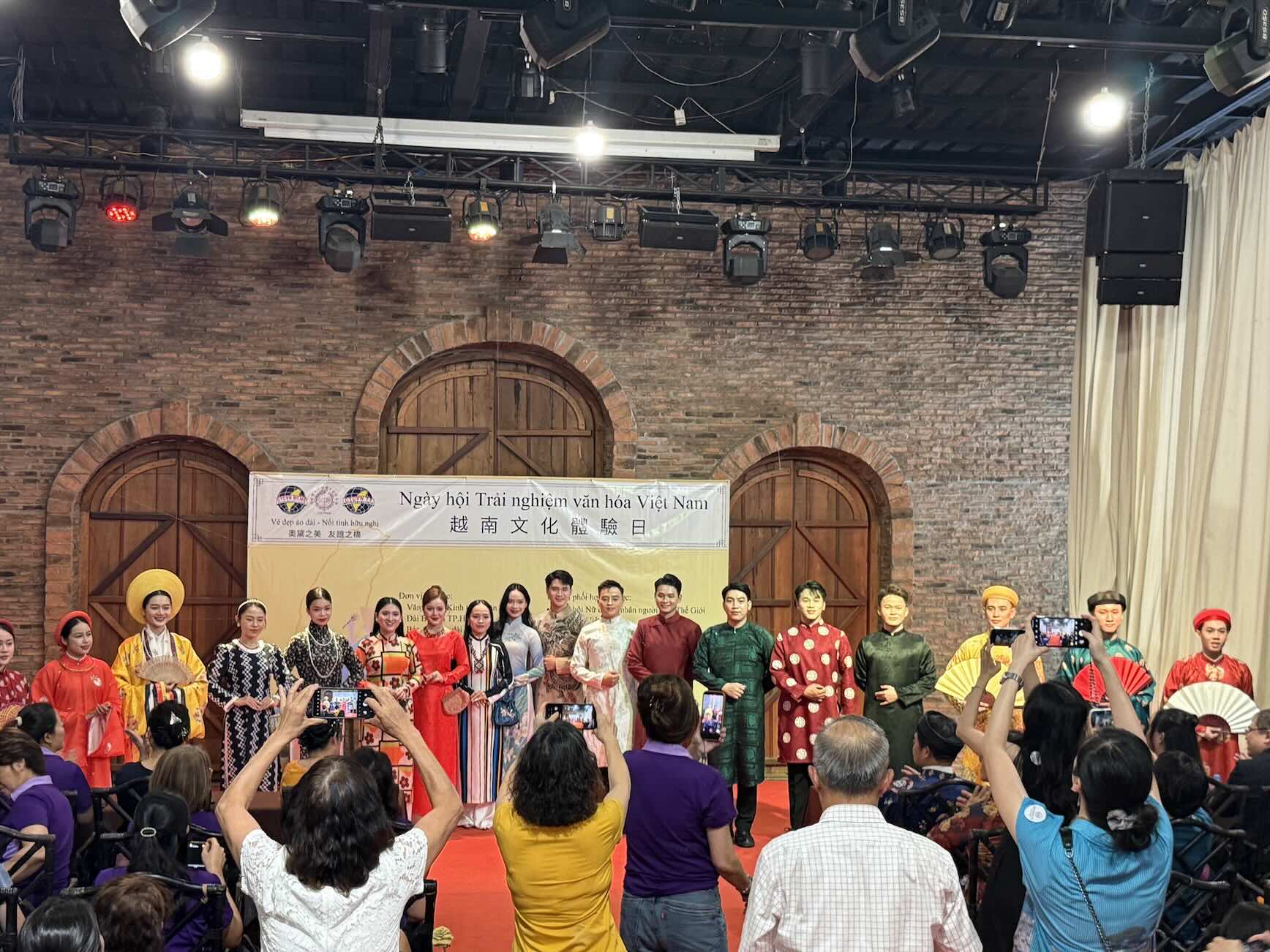
HCMC - The Taipei Economic and Cultural Office in HCMC and the Ao Dai Museum on May 16 jointly organized the “Vietnam Cultural Experience Day” program, combining cultural exchange activity with support for victims of Agent Orange/dioxin in HCMC.
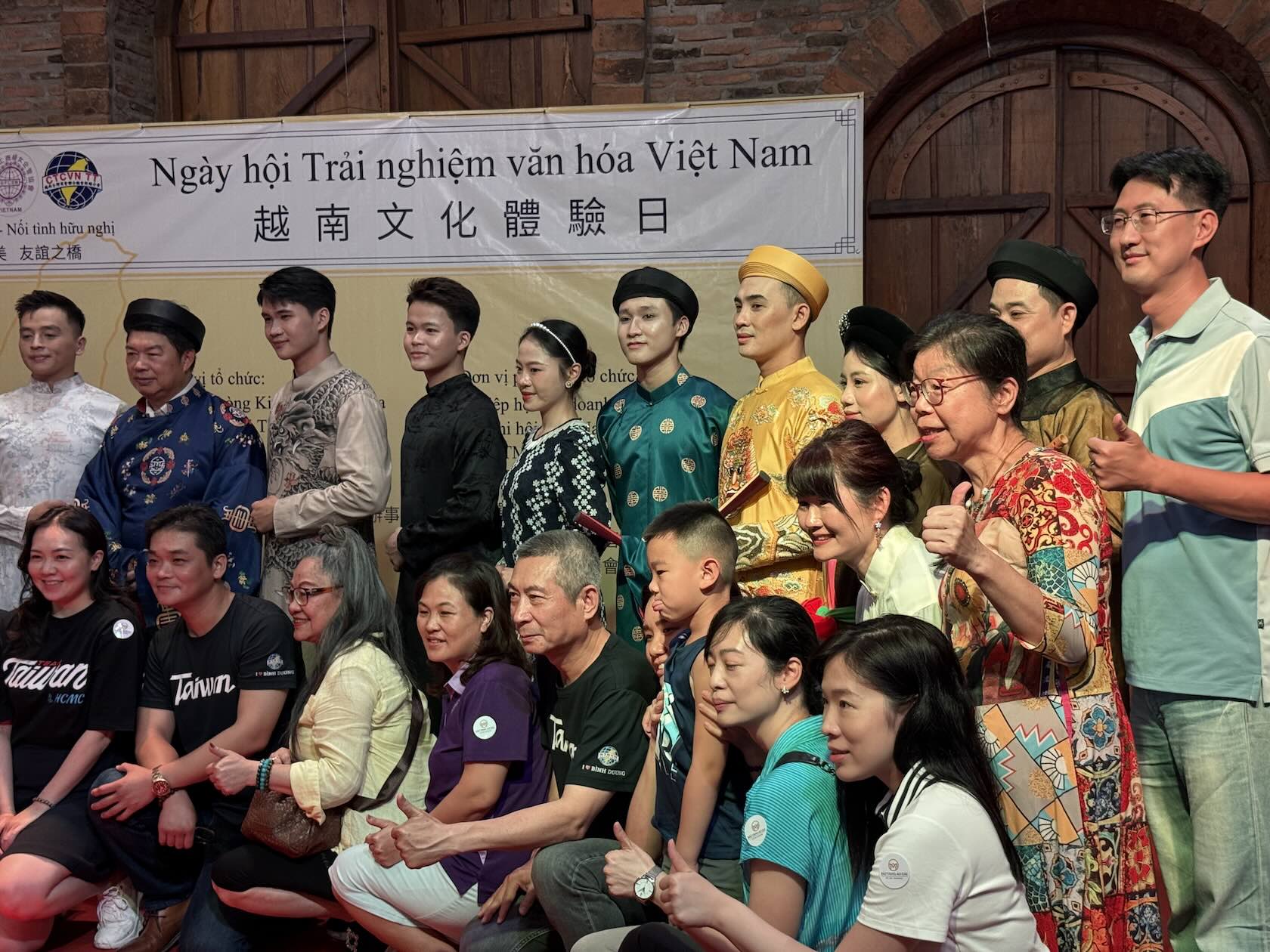
Held during the month marking Mother’s Day celebrations, the program brought together Taiwanese business representatives, cultural organizations and the HCMC Association for Victims of Agent Orange/Dioxin at the Ao Dai Museum in the former Thu Duc City.
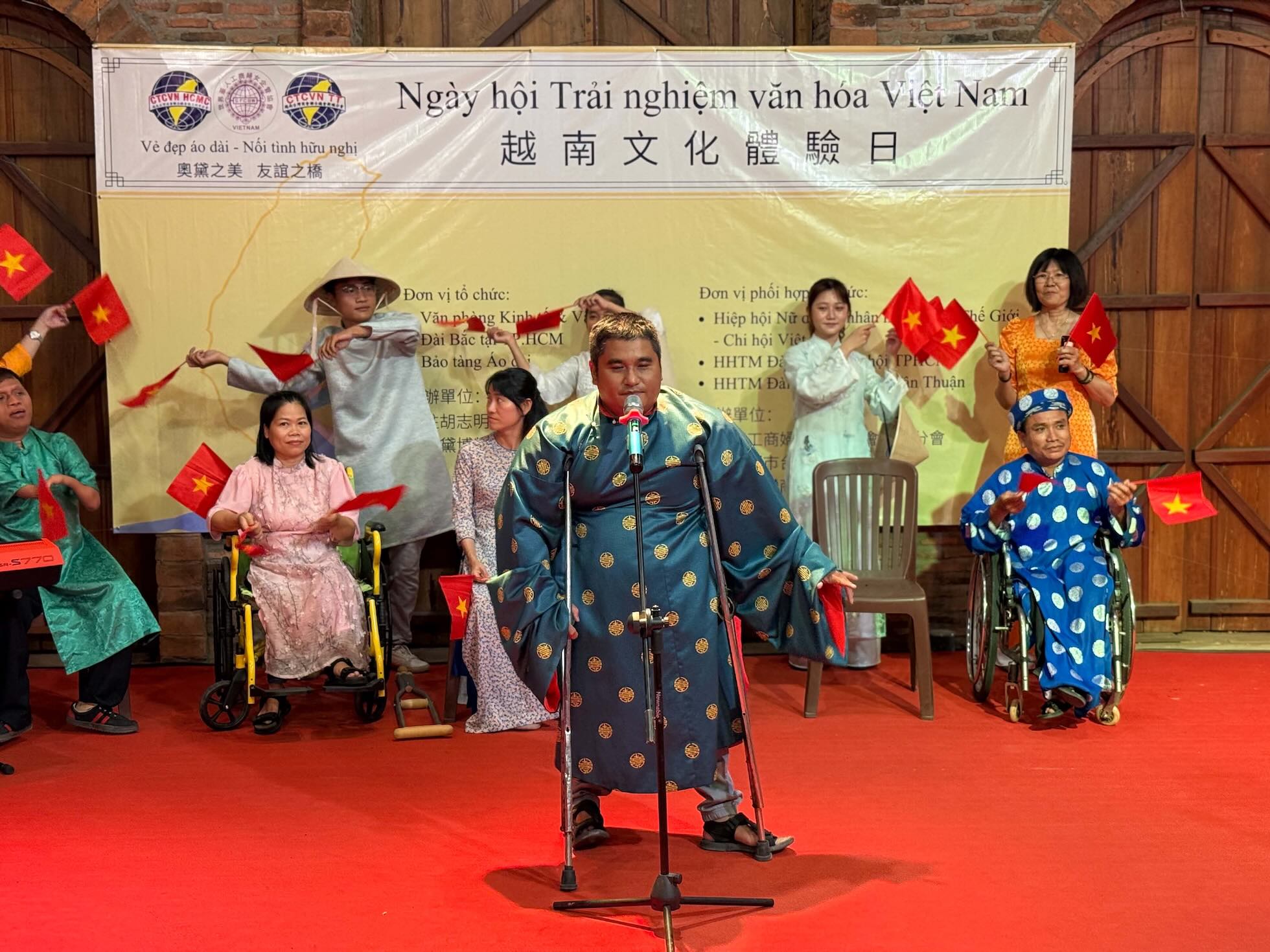
The event featured cultural performances, an ao dai exhibition, music exchanges and a donation ceremony in support of victims of Agent Orange/dioxin.
Speaking at the event, Han Quoc Dieu, head of the Taipei Economic and Cultural Office in HCMC, said the program was designed not only as a cultural exchange activity but also as an initiative promoting social responsibility.
He said the event highlighted the elegance and cultural significance of Vietnam’s traditional ao dai while creating opportunities for the Taiwanese business community in Vietnam to better understand Vietnamese culture and society.
Dieu added that the participation of victims of Agent Orange/dioxin and their families reflected the Taiwanese community’s support for humanitarian causes in Vietnam.
“We believe love is a universal language,” Dieu said, adding that deeper cultural exchanges could help increase mutual understanding and further strengthen bilateral friendship between the people of Vietnam and Taiwan.
Huynh Ngoc Van, director of the Ao Dai Museum, said the museum was honored to welcome Taiwanese guests to learn more about Vietnamese cultural heritage and the history of ao dai, and that cultural understanding would contribute to mutual respect, and cooperation.
According to Van, the event also marked the first time victims of Agent Orange/dioxin in HCMC joined Taiwanese guests in cultural exchanges and musical performances, creating opportunities for participants to better understand the resilience and challenges faced by affected families more than 50 years after the war.
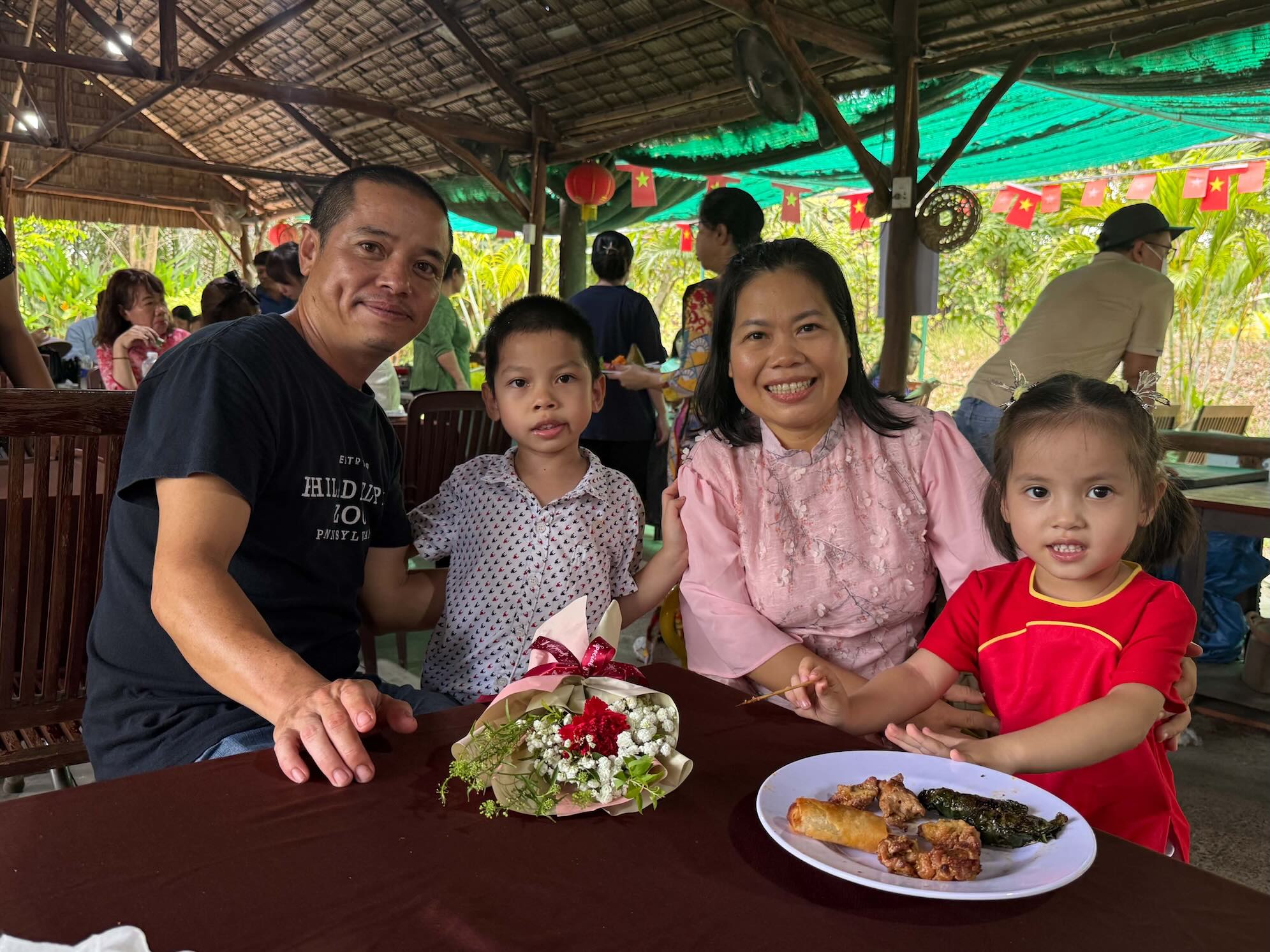
Among the participants was Que Chi, a wheelchair user and resident of the former Thu Duc City and a member of the HCMC Association for Victims of Agent Orange/Dioxin. She said the program gave her an opportunity to interact with the outside community and participate in a large public event with her husband and two children.
Chi said her daily life mainly revolves around housework while taking sewing and embroidery jobs for additional income. She admitted feeling nervous about performing a song in front of local and foreign audiences, something she had never done before, but said the encouragement and friendliness of participants helped her complete the performance.
She expressed hope that more programs of this kind would be organized to provide greater support and opportunities for other victims of Agent Orange/dioxin facing similar circumstances.
At the event, the Taipei Economic and Cultural Office in HCMC presented donations from the Taiwanese community to the HCMC Association for Victims of Agent Orange/Dioxin.
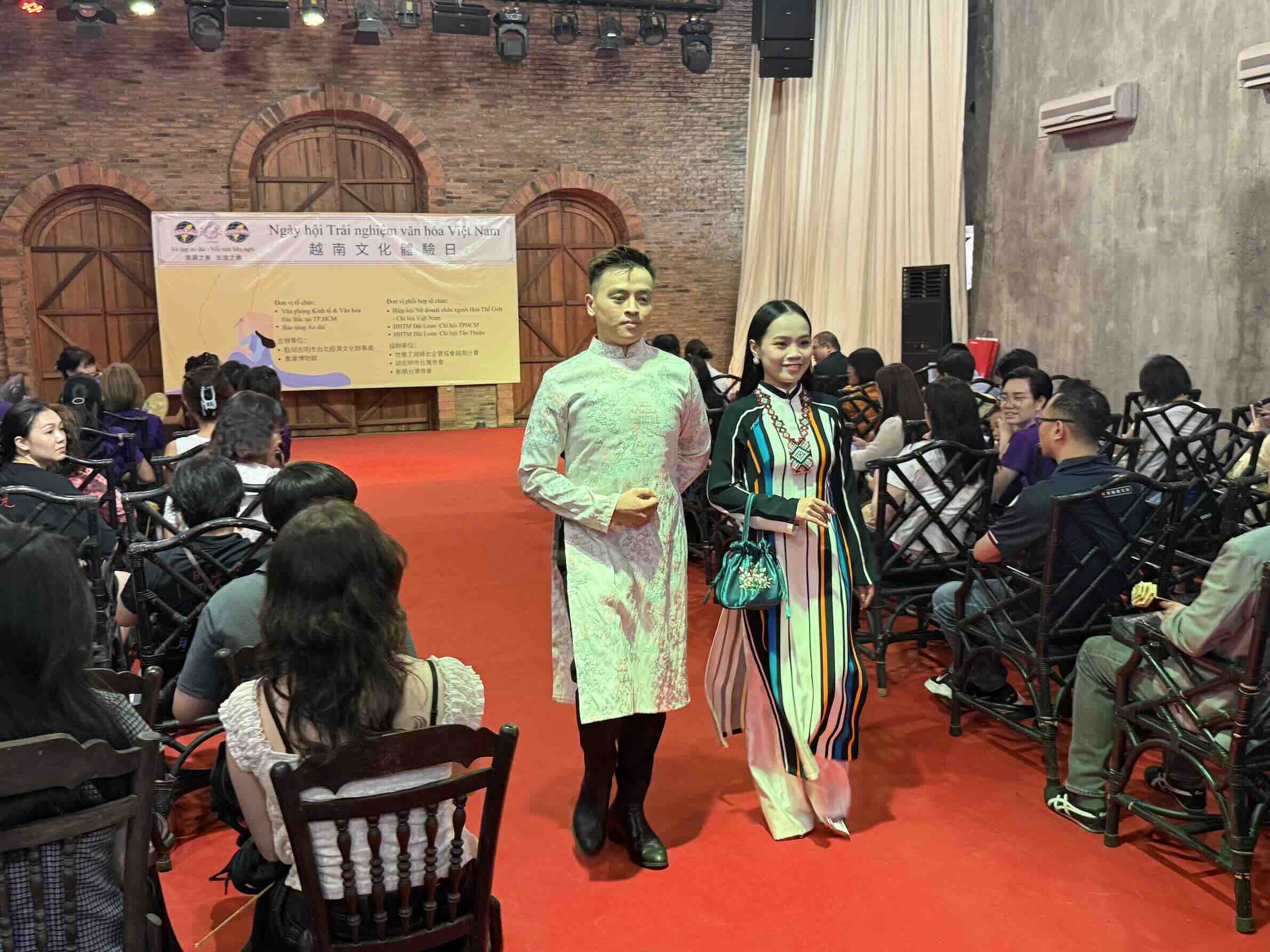
The program also included a guided tour of the Ao Dai Museum and an ao dai showcase presented by students of the HCMC University of Culture, featuring collections from different historical periods.
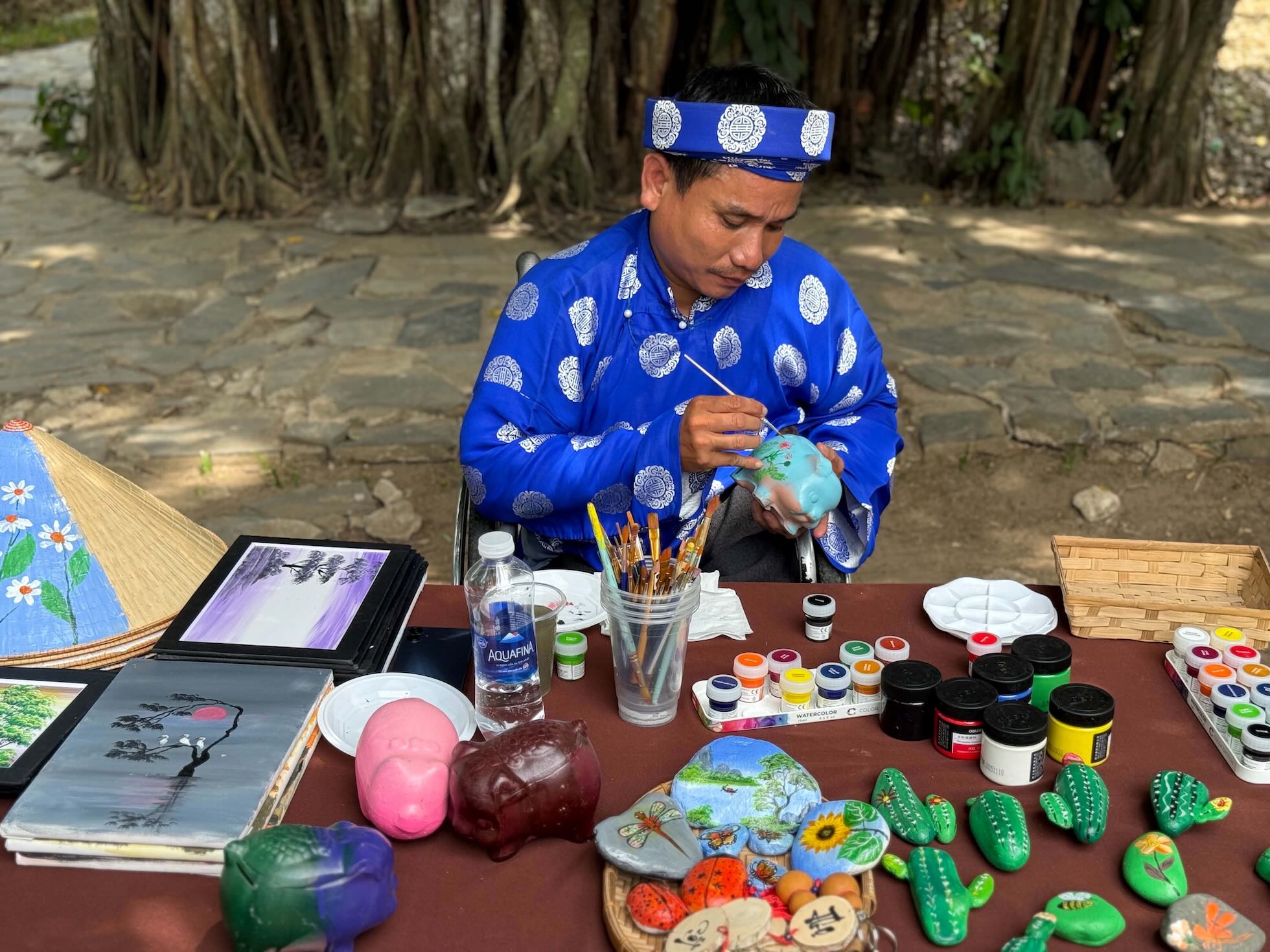
Students from the HCMC University of Culture showcase traditional Vietnamese "ao dai" dresses during a fashion show at the eventTaiwanese business representatives, cultural organizers, and Vietnamese participants pose for a group photoVictims of Agent Orange/dioxin perform on stage during a musical exchange programA member of the HCMC Association for Victims of Agent Orange/Dioxin paints a ceramic piggy bank at a handicraft exhibitionQue Chi (2nd R), a member of the HCMC Association for Victims of Agent Orange/Dioxin, has a meal with her husband and two children during a public community gathering
HCMC - Japan on June 18 donated 20 sets of Jukendo training equipment to the HCMC Kendo Federation under the Japanese Foreign Ministry’s 2025 Sports Diplomacy Promotion Program, aiming to support the development of Japanese martial arts and people-to-people exchanges between Japan and Vietnam.
More than a century ago, a physicist was astonished to see a private individual funding basic scientific research. The story remains strikingly relevant today, as an increasing number of businesses face a fundamental question: what role can they play in supporting the fields that shape a nation’s future?
HCMC – Japan's Consulate General in HCMC on June 5 promoted traditional cultural activities among Vietnamese children as part of efforts to strengthen long-term people-to-people ties between Japan and Vietnam.