Healthy evening habits can support blood pressure control by stabilizing the body’s circadian rhythm and improving sleep quality, two factors closely linked to heart health.
Blood pressure fluctuates throughout the body’s 24-hour cycle. It typically falls during sleep and rises again in the morning. This natural pattern, known as nocturnal blood pressure dipping, helps protect the cardiovascular system. For some people, however, blood pressure does not fall at night and may even rise during sleep. These abnormal patterns are linked to a higher risk of heart attack, stroke, and other cardiovascular complications.
That is why evening routines matter more than many realize, according to the Suc Khoe & Doi Song news site. Below are six evening habits that may help maintain stable blood pressure:
Eat earlier and lighter
A heavy dinner close to bedtime can interfere with digestion, cause discomfort, and reduce sleep quality. Poor sleep, in turn, is linked to higher blood pressure. Health experts generally recommend finishing dinner 2-3 hours before bed. If hunger strikes later, a light snack such as fruit, yogurt, or another easy-to-digest option may be a better choice than a large meal. Evening is also a good time to cut back on caffeine, alcohol, and nicotine, all of which may disrupt sleep and temporarily raise heart rate or blood pressure.
Keep a wind-down routine before bed
Stress does not always end when the workday is over. If the nervous system remains overstimulated, falling asleep may become more difficult, and blood pressure can remain elevated. Effective ways to relax include limiting the use of electronic devices for at least one hour before bedtime to reduce exposure to blue light, listening to soft music, reading a book, taking a warm bath or shower, and practicing deep breathing, meditation, or mindfulness techniques. High-intensity exercise close to bedtime is not recommended.
Set a regular sleep schedule
Getting enough sleep, about 7-9 hours a night for adults, and maintaining a regular bedtime can help regulate the body’s circadian rhythm and support healthy blood pressure. Consistent sleep and wake times may improve sleep quality, help the body function more efficiently, and reduce blood pressure fluctuations. A quiet, dark, and cool bedroom with minimal noise can further promote restful sleep.
Monitor blood pressure when advised

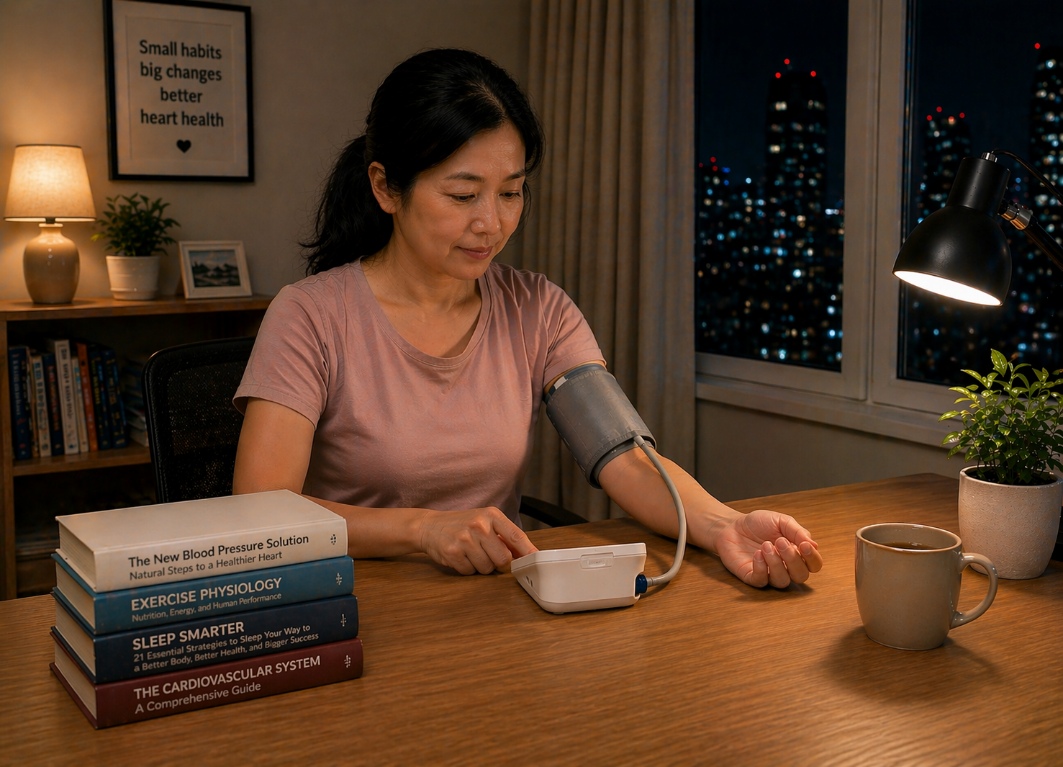
In some cases, doctors may recommend checking blood pressure in the evening to better understand daily blood pressure patterns. Home monitoring can help detect problems early, such as blood pressure that does not drop during sleep or rises at night. For the most accurate results, an automatic upper-arm cuff monitor is recommended. Patients should keep a record of their readings to discuss with their doctor during follow-up visits. Evening measurements may also differ from daytime checks, depending on meal times and medication schedules.
Take medication exactly as prescribed
In many cases, lifestyle changes alone are not enough to control blood pressure, and prescription medication may be needed. Some studies suggest that taking medication in the evening may improve nighttime blood pressure control. However, this approach is not suitable for everyone. Patients should follow their doctor’s instructions carefully regarding medication timing, dosage, and possible side effects. Several factors should also be considered when taking medication at night, including the risk of low blood pressure when standing up suddenly during the night, increased nighttime urination with some diuretics, and potential effects on other medical conditions.
Treat sleep apnea if present
Sleep apnea is a common but often overlooked condition in which breathing repeatedly stops during sleep, disrupting rest and raising blood pressure. Common signs include loud snoring, waking up short of breath, and daytime sleepiness. The condition is linked to high blood pressure, type 2 diabetes, and heart disease. Treatment may include CPAP therapy or other doctor-recommended options, which can help improve blood pressure and reduce the risk of complications.