

Tips on how to prevent the risk of sudden cardiac arrest due to overexertion
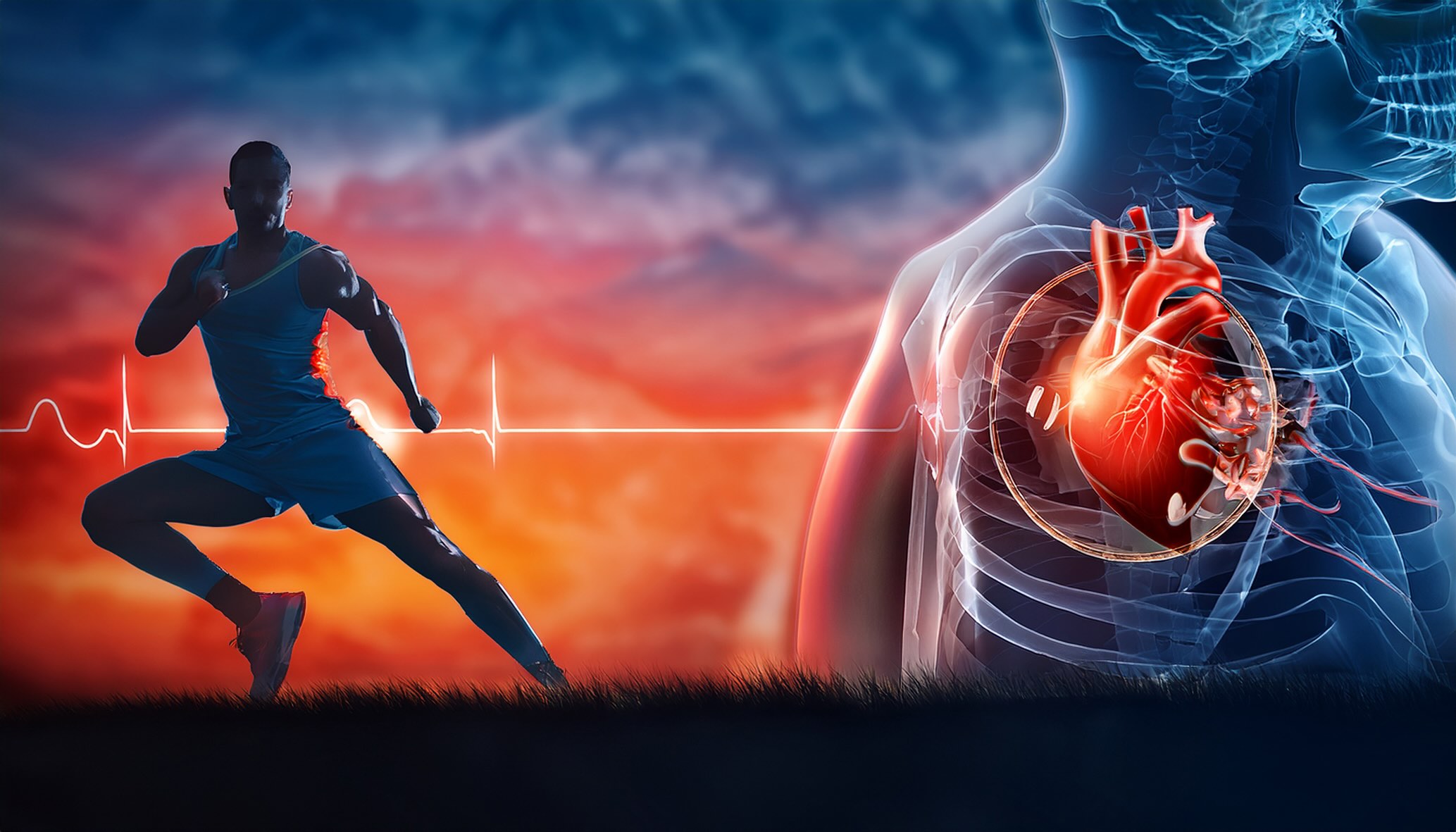
The Cardiovascular Center (under the E Hospital in Hanoi) has recently cured many cases in which the victims suffer from sudden cardiac arrest due to overtraining. These cases really warn of the risk of cardiovascular diseases among young people and the risk of sudden cardiac arrest in community sports. According to Thanh Nien newspaper, in December last year, the Cardiovascular Center received a 50-year-old foreign male patient living in Hanoi, who suffered from myocardial infarction (heart attack) and sudden cardiac arrest. Earlier, when playing pickleball with his friends, the expat incurred chest pain and shortness of breath. He was transferred to the E Hospital, but he fell unconscious and incurred cardiac arrest right at the entrance to the hospital. The emergency team immediately carried out cardiopulmonary resuscitation (CPR) and continuous chest compressions and defibrillation. The patient’s heart beat again and he gradually regained consciousness after two defibrillation attempts. The patient’s electrocardiogram and angiography results showed that he incurred a myocardial infarction due to a thrombus (blood clot). He then underwent emergency intervention to remove the blood clot and stent placement. Heart attack factors According to Dr. Nguyen Xuan Duong at the Cardiovascular Center, there are many cases of sudden death, stroke, or injury in those playing sports, including pickleball. Therefore, players should be aware that pickleball can cause the heart to work harder for a short time, which may trigger a myocardial infarction, especially in those with existing risk factors. Sudden cardiac arrest due to physical activities may occur in patients with detected or yet to be detected cardiovascular diseases. Sudden death may also come from ventricular fibrillation (VF). Warnings for players of high-intensity sports To prevent sudden cardiac arrest during high-intensity physical activity, players should undergo periodic health checkups to detect cardiovascular disease and engage in exercises and intensities suitable to their health conditions, avoiding overexertion. In addition, they should adopt a healthy lifestyle and maintain proper nutrition to reduce stress. Elderly people and those with underlying medical conditions such as high blood pressure and diabetes should take medication regularly in line with their prescriptions. They should consult doctors if incurring unusual symptoms; improve their knowledge of and first-aid skills for stroke or heart attack cases to reduce the risk of death before the victim is transferred to the hospital.
When there are symptoms such as left chest pain (possibly left shoulder or left arm pain), shortness of breath, and sweating, you should promptly go to the nearest hospital or health station.
Elderly people and those with underlying medical conditions such as high blood pressure and diabetes should take medication regularly in line with their prescriptions. They should consult doctors if incurring unusual symptoms; improve their knowledge of and first-aid skills for stroke or heart attack cases to reduce the risk of death before the victim is transferred to the hospital.
When there are symptoms such as left chest pain (possibly left shoulder or left arm pain), shortness of breath, and sweating, you should promptly go to the nearest hospital or health station.