
UOB explores joining Vietnam international financial center

Must read
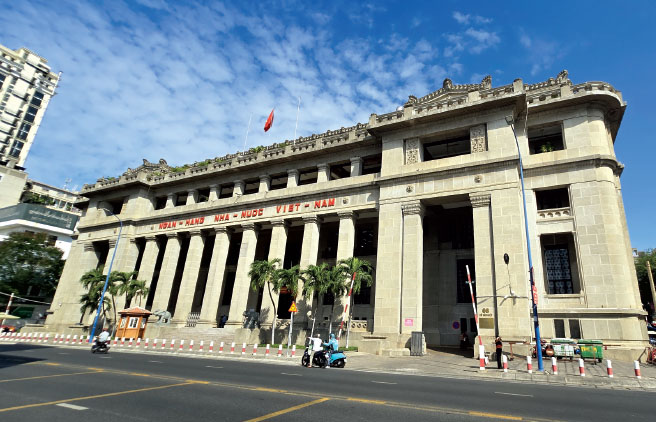
Vietnam raises short-term funding ratio for medium-, long-term lending to 40%
News June 23, 2026HCMC – The State Bank of Vietnam (SBV) has raised the maximum ratio of short-term funds that banks can use for medium- and long-term lending to 40% from 30%, a move aimed at channeling more long-term capital into infrastructure and business investment.

New rules tighten debt limits on bond issuers
Financial Markets June 20, 2026HCMC - Companies issuing bonds via private placement will be subject to a debt-to-equity cap of five times, while individual professional investors will only be allowed to buy such bonds if they carry credit ratings and are backed by qualified collateral.

Central bank proposes easing lending cap
Financial Markets June 18, 2026HCMC – The State Bank of Vietnam (SBV) has proposed raising the maximum ratio of short-term funds that commercial banks can use for medium- and long-term lending to 40% from the current 30%, in a move aimed at boosting credit supply for economic growth.
Latest articles
Vietnam raises short-term funding ratio for medium-, long-term lending to 40%
News June 23, 2026HCMC – The State Bank of Vietnam (SBV) has raised the maximum ratio of short-term funds that banks can use for medium- and long-term lending to 40% from 30%, a move aimed at channeling more long-term capital into infrastructure and business investment.
New rules tighten debt limits on bond issuers
Financial Markets June 20, 2026HCMC - Companies issuing bonds via private placement will be subject to a debt-to-equity cap of five times, while individual professional investors will only be allowed to buy such bonds if they carry credit ratings and are backed by qualified collateral.
Central bank proposes easing lending cap
Financial Markets June 18, 2026HCMC – The State Bank of Vietnam (SBV) has proposed raising the maximum ratio of short-term funds that commercial banks can use for medium- and long-term lending to 40% from the current 30%, in a move aimed at boosting credit supply for economic growth.