Vietnam seeks Singapore’s expertise to develop international financial center
Must read
New rules tighten debt limits on bond issuers

New rules tighten debt limits on bond issuers

Financial Markets June 20, 2026

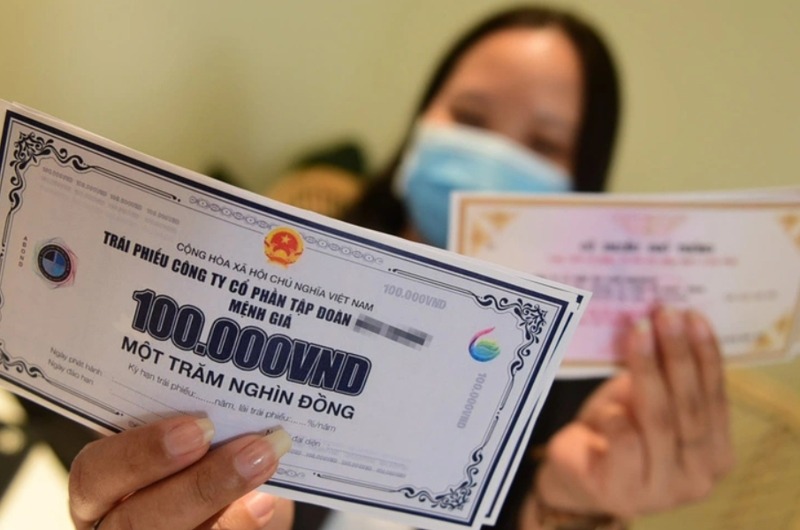
HCMC - Companies issuing bonds via private placement will be subject to a debt-to-equity cap of five times, while individual professional investors will only be allowed to buy such bonds if they carry credit ratings and are backed by qualified collateral.
Central bank proposes easing lending cap

Central bank proposes easing lending cap

Financial Markets June 18, 2026

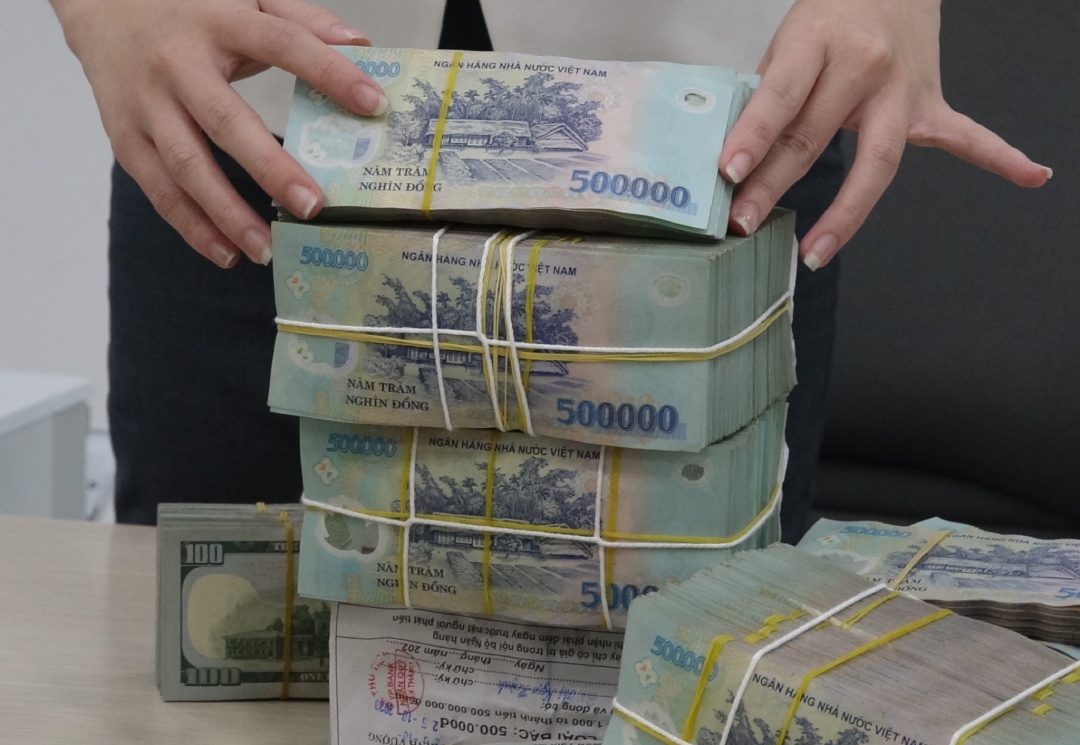
HCMC – The State Bank of Vietnam (SBV) has proposed raising the maximum ratio of short-term funds that commercial banks can use for medium- and long-term lending to 40% from the current 30%, in a move aimed at boosting credit supply for economic growth.

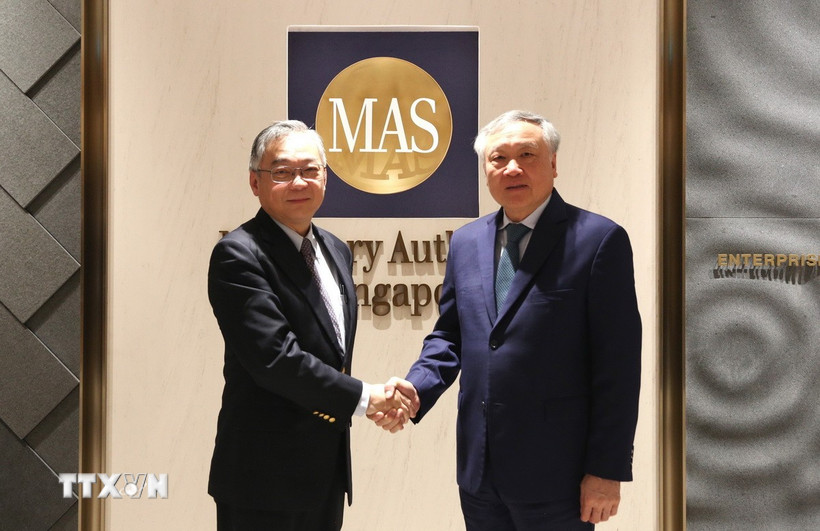
HCMC – Vietnam has asked Singapore to share its experience in operating an international financial center as it moves to strengthen cooperation with Singapore in financial services.
The request was made during talks on January 12 between Vietnam’s Permanent Deputy Prime Minister Nguyen Hoa Binh and Singapore Deputy Prime Minister Gan Kim Yong, on the sidelines of Binh’s official visit to Singapore from January 10 to 14, reported the Vietnam News Agency. According to the Vietnamese side, Vietnam has recently established an international financial center to mobilize high-quality financial resources for its next development phase. It said Singapore has extensive experience in this field. Vietnam proposed that Singapore share experience on institutional design, governance and operating mechanisms, as well as supervision to ensure financial and system security. It also sought cooperation in developing new financial services linked to the center and in strengthening financial connectivity between the two countries. Vietnam further suggested cooperation programs between its international financial centers in HCMC and Danang City and Singapore, focusing on training and developing high-quality financial management and supervisory personnel. Binh welcomed plans by the Singapore bank UOB to soon break ground on its headquarters at Vietnam’s international financial center in HCMC. He called on Singaporean banks, financial funds and enterprises to expand investment and operations there. Gan Kim Yong welcomed Vietnam’s establishment of the international financial center, describing it as a timely decision. He congratulated Nguyen Hoa Binh on his appointment as chairman of the executive council of Vietnam’s international financial center and said Singapore was ready to share operational experience and promote financial connectivity. Both sides agreed to strengthen cooperation between the international financial centers of Vietnam and Singapore so they can complement each other and contribute to ASEAN’s development. The two leaders also expressed satisfaction with the overall development of bilateral ties. They noted that high-level exchanges and bilateral mechanisms, including the annual meeting between the two prime ministers, have been maintained effectively. Economic cooperation remains a key pillar. Singapore is Vietnam’s largest investor within ASEAN and ranks second among 153 countries and territories investing in Vietnam, with about 4,400 valid projects and total registered capital of more than US$90 billion. Vietnam–Singapore Industrial Parks have continued to expand, with 21 parks operating across 14 provinces and cities nationwide.

Latest articles

New rules tighten debt limits on bond issuers

New rules tighten debt limits on bond issuers

Financial Markets June 20, 2026

HCMC - Companies issuing bonds via private placement will be subject to a debt-to-equity cap of five times, while individual professional investors will only be allowed to buy such bonds if they carry credit ratings and are backed by qualified collateral.

Central bank proposes easing lending cap

Central bank proposes easing lending cap

Financial Markets June 18, 2026

HCMC – The State Bank of Vietnam (SBV) has proposed raising the maximum ratio of short-term funds that commercial banks can use for medium- and long-term lending to 40% from the current 30%, in a move aimed at boosting credit supply for economic growth.