


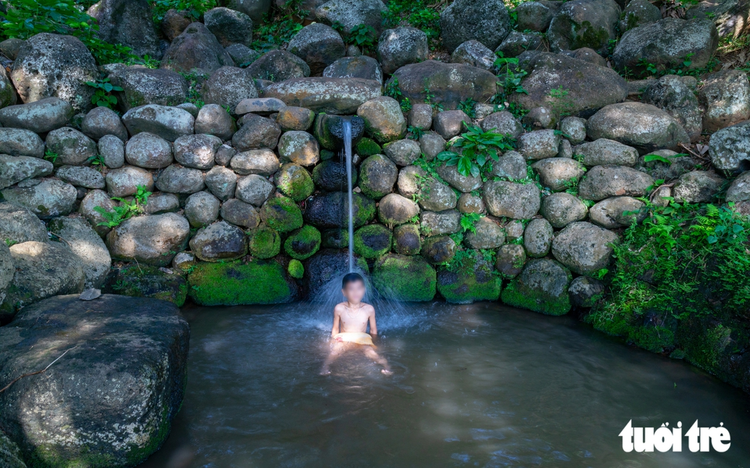
Dozens of ancient Cham wells are located in Con Tien Commune, Quang Tri Province, 14 of which have been recognized as national heritage sites. Photo: Hoang Tao / Tuoi Tre
The provincial administration said on Monday that it had approved a conservation and restoration plan for 14 ancient wells in Con Tien Commune.
Ancient wells fed by underground water
The plan covers 427.8 hectares, including 10.42 hectares designated as a protected area and 417.38 hectares as a buffer zone to safeguard natural features directly affecting the wells, including geological strata, underground water sources and vegetation.
The plan will be implemented during 2026-35, with a vision to 2050.
The ancient water system in the former Gio An area consisted of around 30 wells, 14 of which were recognized as national heritage sites in 2001.
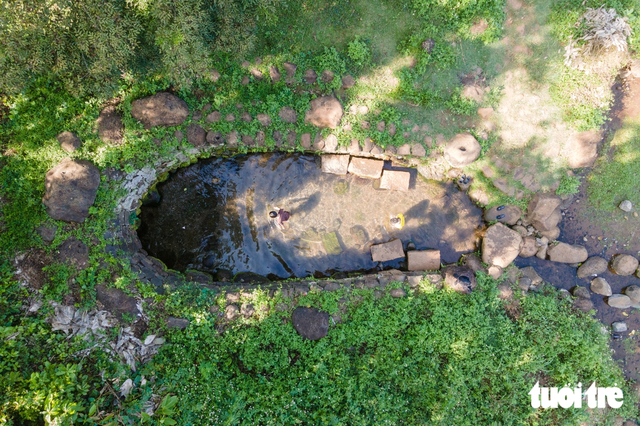
A pond well draws underground water to the surface. It is divided into two sections, with the upstream section used for drinking water and the downstream section separated by stones for bathing and washing. Photo: Hoang Tao / Tuoi Tre
The structures were built mainly from layers of honeycomb-shaped laterite stone and comprise three types: trough wells, pond wells and circular wells.
A distinctive feature of the system is its use of underground water sources to create naturally flowing watercourses.
Local Cham communities are believed to have built the water extraction and distribution system during the early centuries AD.
After thousands of years, the ancient wells have been affected by various factors, including concrete construction, landslides and groundwater extraction.
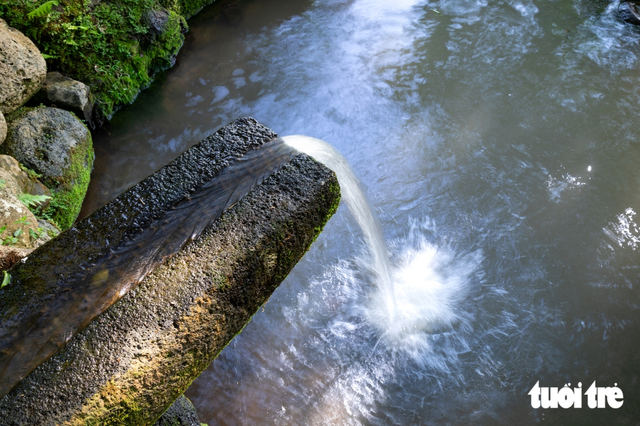
A trough well features a water channel made of honeycomb stone. Circular wells are similar to traditional Vietnamese wells. Photo: Hoang Tao / Tuoi Tre
Quang Tri aims to turn the ancient well system into a signature cultural and historical tourism attraction in Con Tien.
Visitors will be able to explore the ancient water-management techniques, learn about the cultivation of rau liet, a local specialty vegetable, stone craftsmanship, community culture and agricultural activities.
The ancient wells will also be connected with other heritage sites in the area and integrated with ecotourism, agricultural and community-based tourism to encourage longer stays.
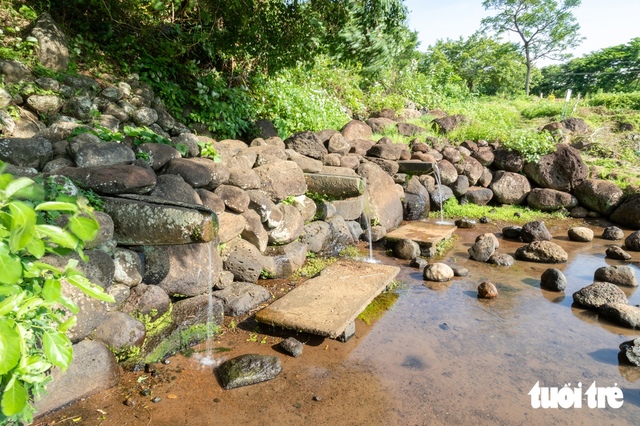
Many ancient wells have been affected by human activities, including concrete construction, landslides and groundwater extraction. Photo: Hoang Tao / Tuoi Tre
Restoring original features using French records
A key element of the plan is to restore the wells based on photographs, drawings and survey records documented by French archaeologist Madeleine Colani.
In 1940, Colani published the materials in her work 'Emploi de la pierre en des temps reculés: Annam, Indonésie, Assam.' The historical images are considered an important source for restoring the site's original features.
The plan specifically calls for the restoration of Duoi Well based on historical photographs.
The well was modernized in 1964 and again in 2020, when it was rebuilt with rubble stone, altering some of its original features.
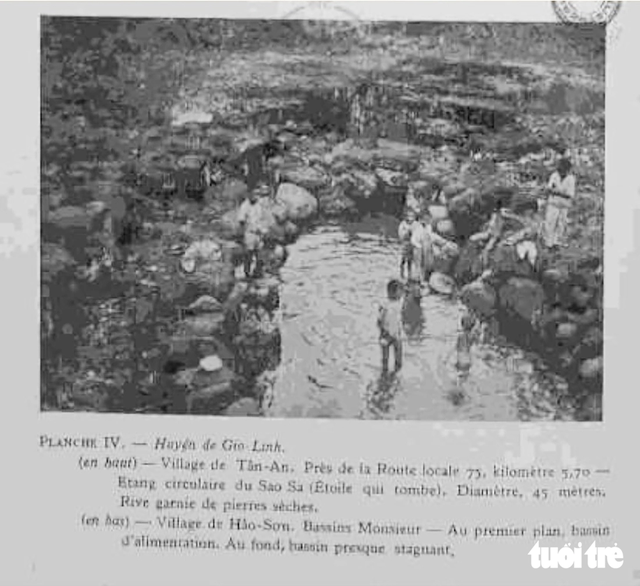
Ong Well as shown in French historical records. Photo: Hoang Tao / Tuoi Tre
The plan will restore the well and its water channels leading to rau liet fields and rice paddies, as well as paths paved with natural stone, a footbridge and the surrounding landscape.
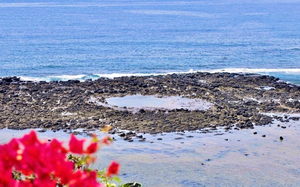
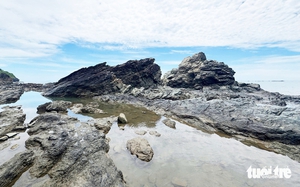
Four other wells — Loi, Phuong, Hoong and Mot Mang — are also slated for conservation and restoration.
Some additional wells, such as Gai I, Gai II, Coi, Bung, Trang, and Dao, will also undergo restoration because they have deteriorated or have features that differ from those shown in the French historical photographs.
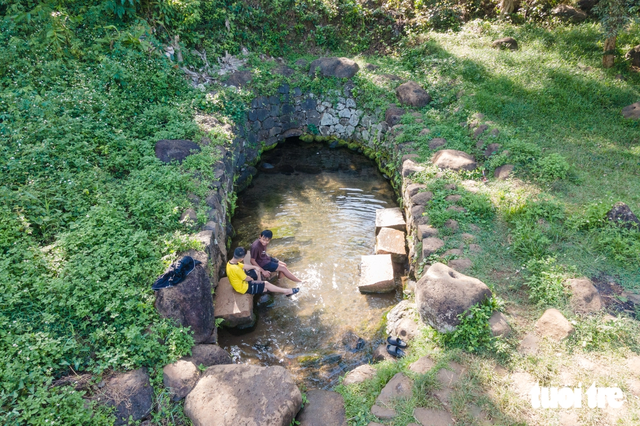
Ong Well today. Photo: Hoang Tao / Tuoi Tre
The plan emphasizes that conservation should focus not only on individual wells but also on preserving the ancient water extraction and distribution system as a whole.
Restoring the site based on images taken about a century ago is expected to help Quang Tri recover a more authentic appearance of the unique ancient irrigation system and develop the heritage site into a tourism attraction.
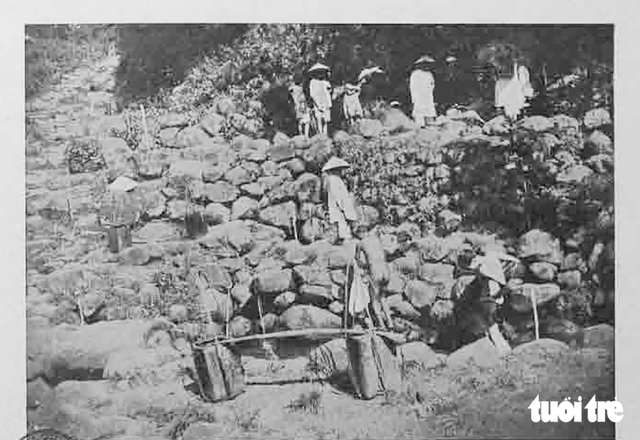
Dao Well in a book by the French archaeologist. Photo: Hoang Tao / Tuoi Tre
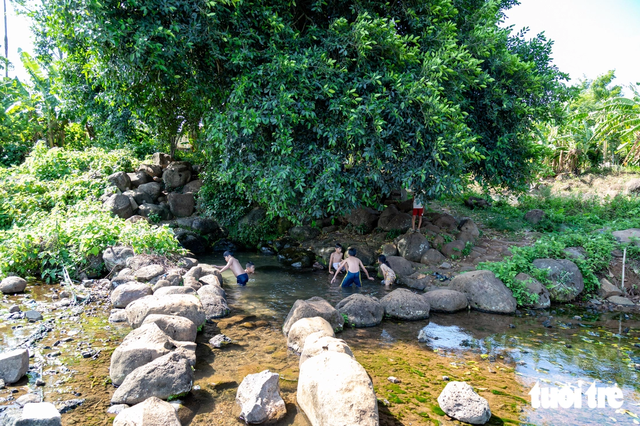
Water from the ancient wells is channeled into fields growing rau liet, a local specialty vegetable. Photo: Hoang Tao / Tuoi Tre
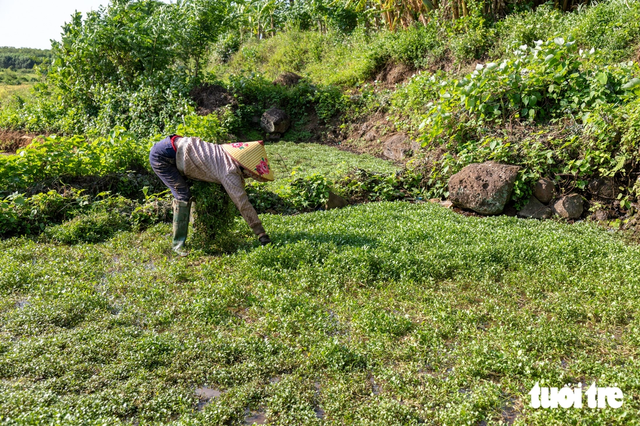
Local residents have cultivated the specialty vegetable for decades using water from the ancient wells. Photo: Hoang Tao / Tuoi Tre
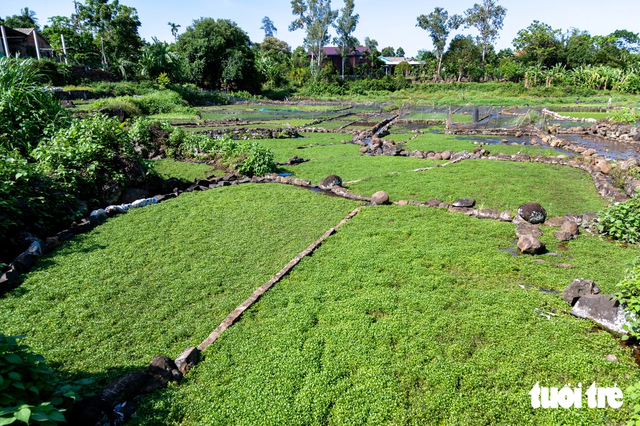
The plan aims to restore the authentic appearance of the ancient water distribution system. Photo: Hoang Tao / Tuoi Tre








Max: 1500 characters
There are no comments yet. Be the first to comment.