



Defendant Tran The Manh (front) and other defendants in the courtroom, Hanoi, September 24, 2026. Photo: Giang Long
The duo were also held responsible for smuggling goods worth more than VND904 billion ($34.7 million).
Manh, 44, received 14 years and six months for smuggling, five years and six months for illegally transporting currency across the border, and four years for forging documents issued by agencies and organizations.
The combined sentence is 24 years.
Nga, 49, was sentenced to 13 years for smuggling and three years for forging documents, for a total of 16 years.
In the same case, Tran Tuan Anh received a combined 12-year sentence–10 years for smuggling and two years for document forgery.
Tran Thuy Hang was sentenced to six years, including four years for illegally transporting currency across the border and two years for document forgery.
The remaining defendants received sentences ranging from 18 months suspended imprisonment to five years in prison.
Nguyen Thi Mai Anh was fined VND2.2 billion ($84,620).
How was over $519mn transferred to China?
According to the indictment, Manh and Nga operated seven companies that provided import services for household goods, home appliances and electronic equipment from China between 2018 and 2023.
In 2021, several traders learned that Manh could arrange money transfers from Vietnam to China and asked him to provide the service.
Customers deposited Vietnamese dong into designated bank accounts.
Manh then arranged payment documents, purchased foreign currency and transferred the funds to accounts in China, charging fees of about 0.04 to 0.08 percent per transaction.
To facilitate the transfers, Manh used companies under his control to open accounts at 29 domestic commercial banks.
Prosecutors said Manh instructed Hang to forge 3,270 foreign trade contracts and contract appendices with Chinese companies.
The documents purported to show that Vietnamese businesses owed payments to their Chinese partners for purchased goods.
Manh and his group also reused customs declarations from shipments that had already cleared customs as supporting documents for different payment applications.
Investigators identified 861 customs declarations that were repeatedly used in different payment dossiers.
Using the 861 declarations together with thousands of forged contracts and contract appendices, Manh’s group executed 3,270 bank transfer orders.
Over a period of about two years, the group transferred more than $519 million from Vietnam to China, according to the court’s ruling.
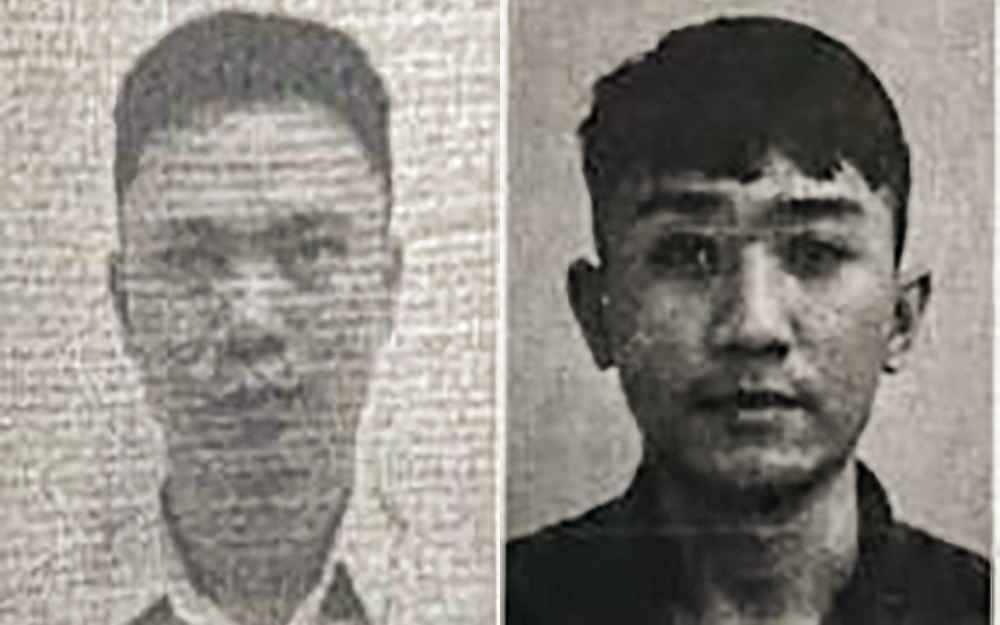
376 documents forged, $34.7mn worth of goods smuggled
For their import services, Chinese suppliers and Vietnamese customers negotiated the purchases themselves, while Manh and Nga’s group handled import procedures, customs clearance and delivery to customers in Vietnam.
Information on the goods, including quantities, weights and unit prices, was supplied by Chinese parties through WeChat.
Nga then passed the information to employees, who prepared foreign trade contracts, commercial invoices, packing lists, bills of lading and other documents required for customs declarations.
For goods subject to quality inspections or food-safety requirements, prosecutors alleged that Nga used forged documents to complete the import dossiers.
Nga was found responsible for forging 376 documents, including applications for state quality inspections of imported goods bearing the names of agencies under the Lang Son Department of Science and Technology, and applications for imported-food inspections and notifications certifying whether food products met import requirements.
The documents were subsequently used to complete procedures for importing goods from China through Chi Ma and Huu Nghi Border Gates and Dong Dang Railway Station.
Investigators determined that Manh and Nga were responsible for 250 smuggled shipments with a total value exceeding VND904 billion ($34.7 million).








Max: 1500 characters
There are no comments yet. Be the first to comment.