


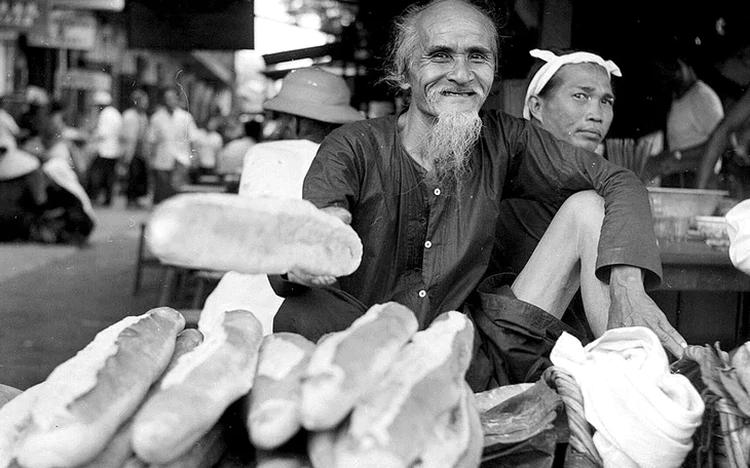
An elderly man sells ‘banh mi’ in Cho Lon. Photo: Three Lions
When did banh mi first become part of Vietnam’s culinary identity? At least as far back as 1861, according to Van te nghia si Can Giuoc, a famous work by Vietnamese poet Nguyen Dinh Chieu, which mentions soldiers eating banh mi.
Tracing the history further back, bread may have arrived in Vietnam much earlier with Western missionaries, merchant ships and naval fleets. It was an easy-to-make and widely consumed food among foreigners arriving by sea.
Nguyen Dinh Chieu was not the only writer to mention the humble loaf. Over time, bread also found its way into Vietnamese literature in an unpretentious way.
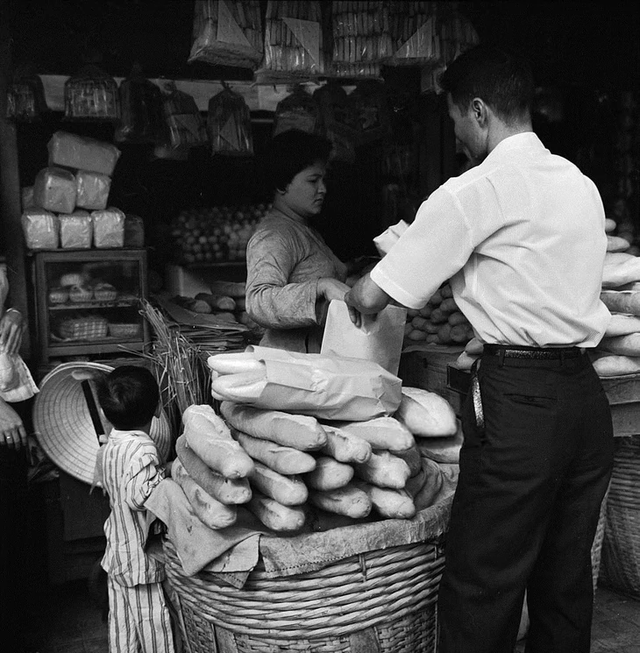
‘Banh mi’ was sold at the Old Market in Saigon in 1962. Customers bought plain loaves wrapped in paper to take home. Photo: Roger Viollet Collection
For middle-aged Vietnamese, the image of bringing banh mi home for their mother and sibling evokes warm memories. Just a couple of decades ago, banh mi was still a popular gift among Saigon residents returning to their hometowns.
They could buy the loaves at bus and train stations — large, golden and fragrant with butter, and once considered a delicious treat during difficult times.
More than three centuries have passed amid countless upheavals, yet rice remains the staple on Vietnamese dining tables.
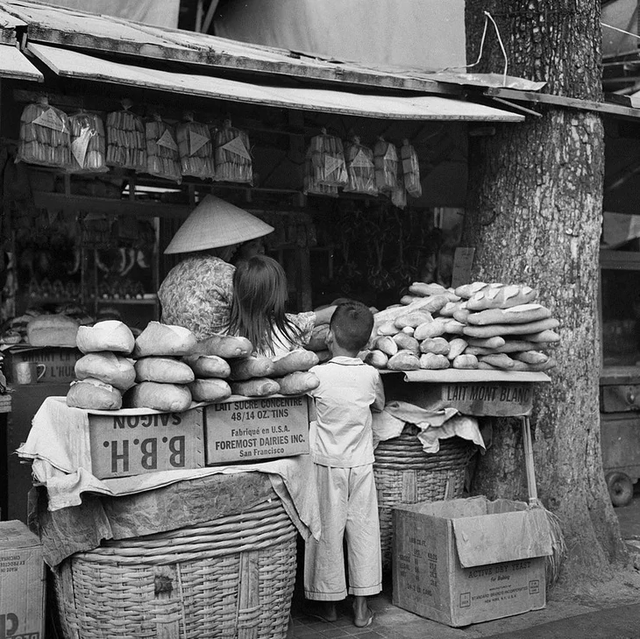
Children helped a woman sell ‘banh mi’ in Saigon in the early 1960s. Photo: Roger Viollet Collection
Banh mi, however, has become increasingly embedded in daily life, evolving from a quick, convenient and affordable breakfast into a choice for lunch, dinner and even late-night meals.
There are now dozens of ways to enjoy banh mi, from the Vietnamese meat-filled banh mi that has become famous worldwide to bread served with beefsteak, fried eggs, condensed milk, curry, ragout, pho broth, soy sauce or chili salt.
Through wars, turmoil, poverty and economic development, Vietnam’s banh mi has experienced its own ups and downs.
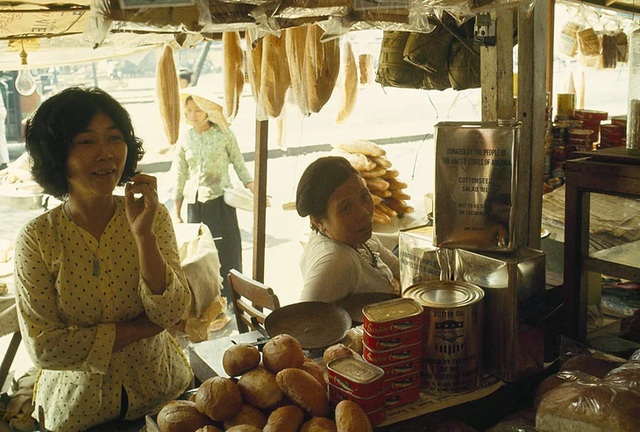
A stall at the Old Market in Saigon in 1965 also sold canned foods to eat with ‘banh mi’. Photo: Wilbur E. Garrett
Older generations still remember the years of war, when banh mi in northern Vietnam became a “luxury” and was sometimes so poor in quality that people joked it could be used to “break someone’s head.”
In southern Vietnam after 1975, banh mi remained widely available on sidewalks and at bus and train stations. However, most people could afford only plain bread, perhaps with a little sauce or inexpensive pâté — or even half a loaf cut in two.
The familiar meat-filled banh mi eaten alongside morning coffee and a newspaper, once a quintessential Saigon breakfast, became too much of a luxury for many people who had just emerged from war.
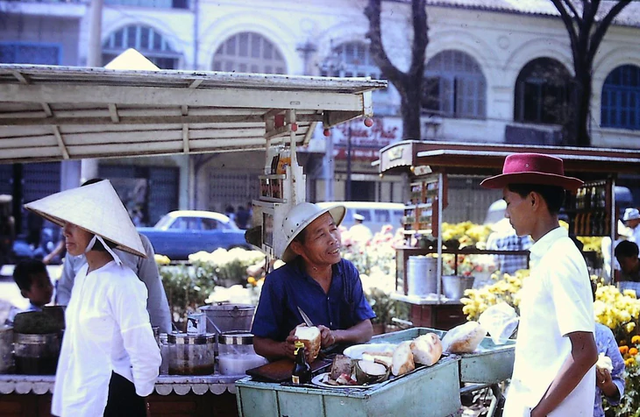
A ‘banh mi’ vendor stood beside a sweet soup vendor at the Nguyen Hue flower market during Tet in 1967. Photo: Wilbur E. Garrett
As Vietnam entered the Doi Moi period and the economy developed, meat-filled banh mi gradually became popular across social groups, from office workers having breakfast to manual laborers.
Alongside the long, rounded loaves that have been popular for generations, foreign-style breads, such as thin, flat Turkish-style bread filled with grilled meat, have also become increasingly common in major cities.
There was a time when people preferred large loaves simply because they needed to eat their fill. Today, loaves are generally smaller and more refined as most Vietnamese no longer struggle to put enough food on the table.
After generations of hunger, consumers now increasingly want food that is clean, delicious and sophisticated.
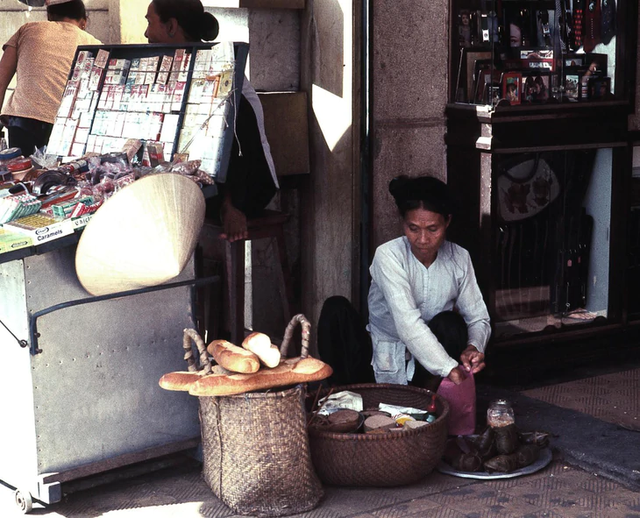
An elderly northern Vietnamese woman sells ‘banh mi cha’ (banh mi filled with Vietnamese pork rolls) on the sidewalk along Le Loi Street in Saigon in 1968. Photo: Brian Wickham
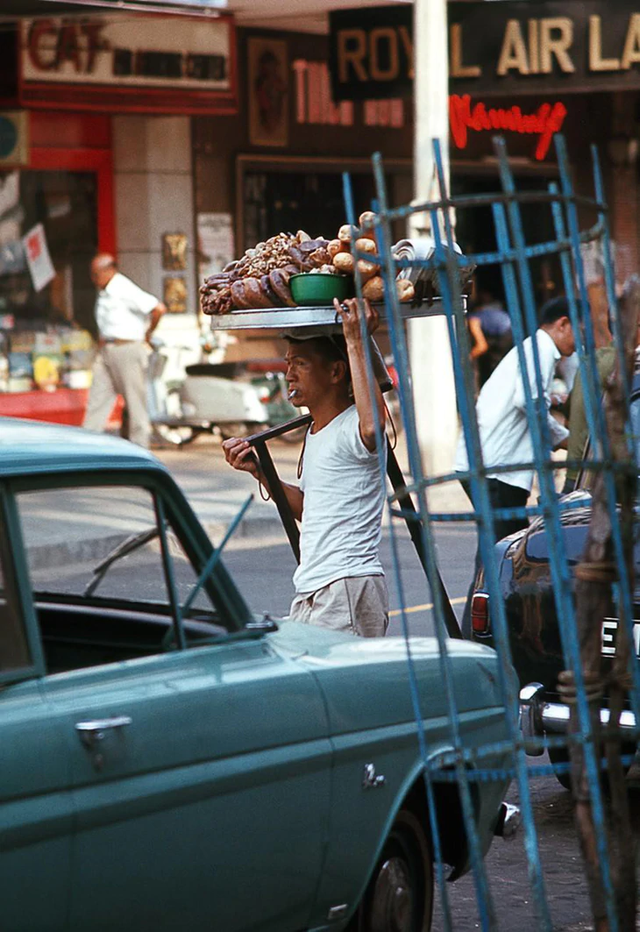
A vendor carries ‘banh mi pha lau’ (‘banh mi’ served with ‘pha lau,’ a Vietnamese dish of slow-cooked beef or pork offal braised in a broth) for sale on Tu Do Street, now Dong Khoi Street in Ho Chi Minh City, in 1969. Photo: Brian Wickham
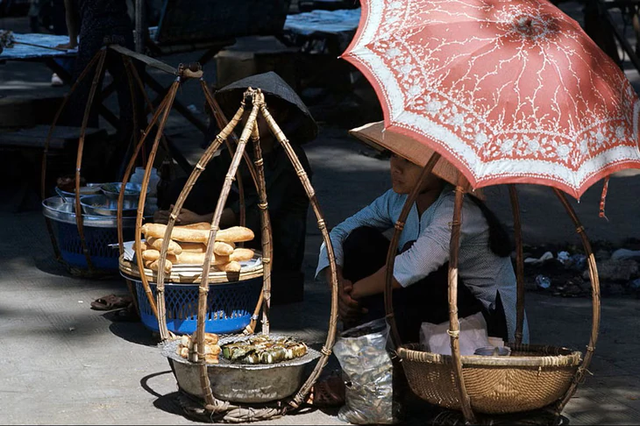
A shoulder pole loaded with ‘banh mi’ stood beside a grilled banana stall in Saigon in 1974. Photo: Jack Garofalo
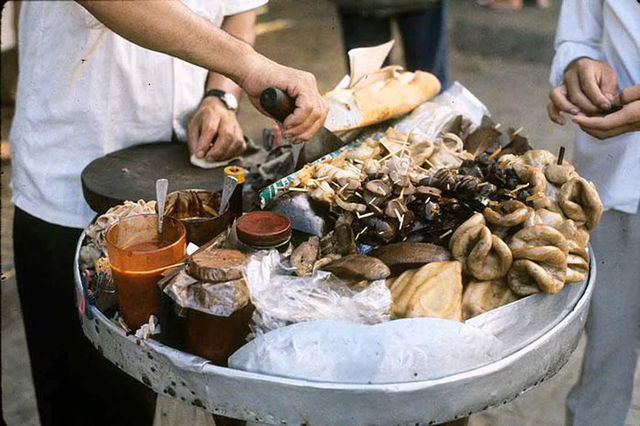
‘Banh mi pha lau’ was commonly sold in Cho Lon before 1975.
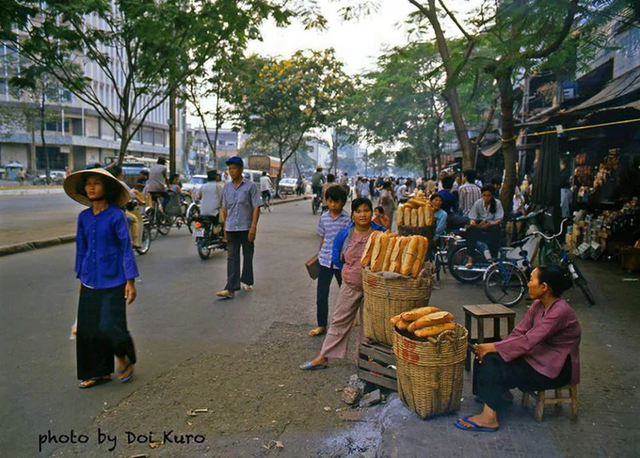
Baskets of ‘banh mi’ on the sidewalk along Ham Nghi Street in Ho Chi Minh City in 1989, during the early Doi Moi period. Photo: Doi Kuro
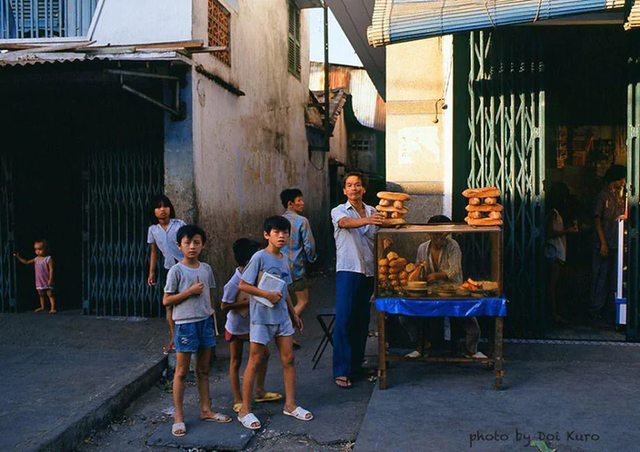
Children stand beside a sidewalk ‘banh mi’ stall in Ho Chi Minh City in 1989. Photo: Doi Kuro
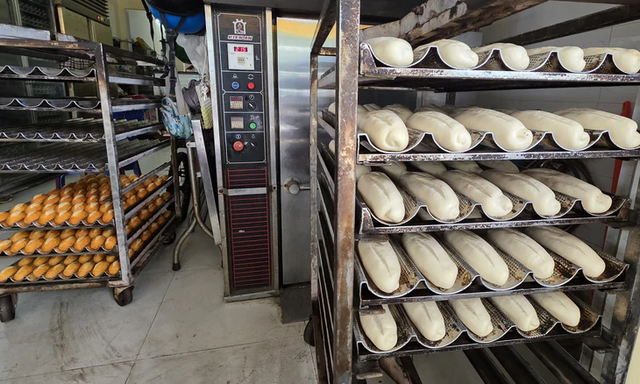
A modern electric oven is used to bake ‘banh mi’ in An Lac Ward, Ho Chi Minh City. Photo: Thuy Chi
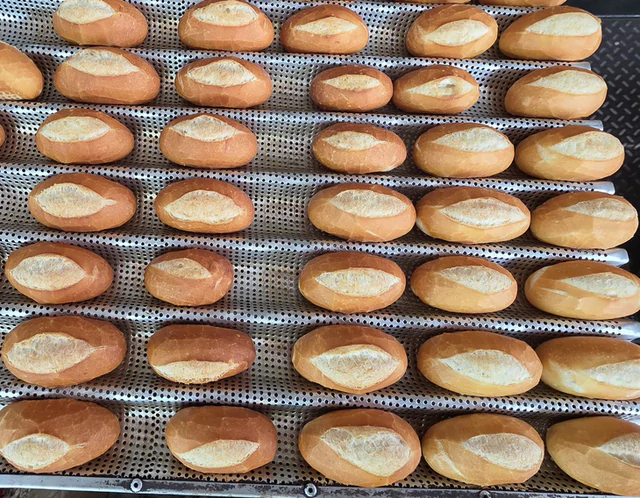
In the 1980s, people preferred large loaves to fill their stomachs, while today's loaves are generally smaller. Photo: Thuy Chi
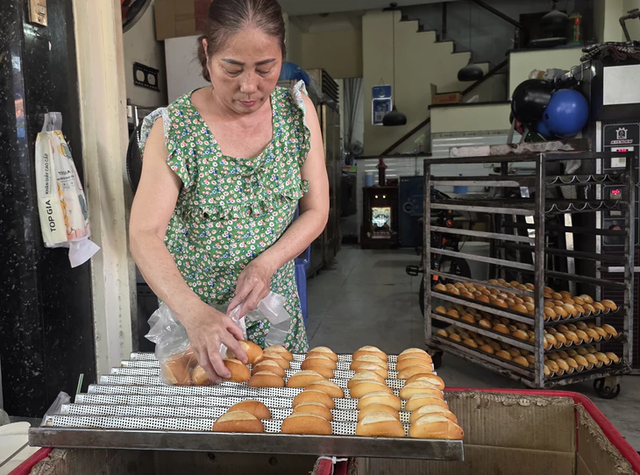
Today, some loaves are only slightly larger than a duck egg, making them convenient for dipping in curry, ragout or roasted meat at parties. Photo: Thuy Chi
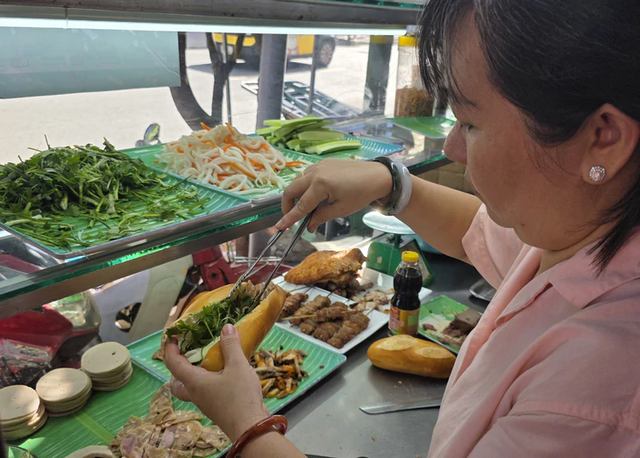
Many ‘banh mi’ vendors said customers today no longer demand large loaves with generous fillings but instead want bread that is delicious and hygienically prepared. Photo: Thuy Chi
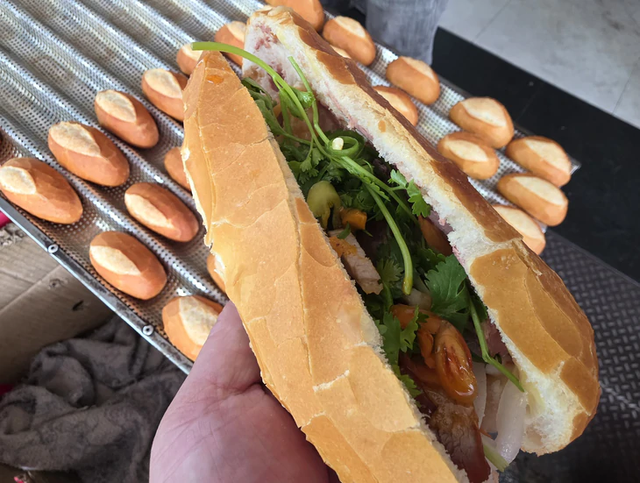
Meat-filled ‘banh mi’ in Ho Chi Minh City currently costs around VND15,000–100,000 (US$0.6–3.8), depending on the location and brand. Photo: Thuy Chi








Max: 1500 characters
There are no comments yet. Be the first to comment.