


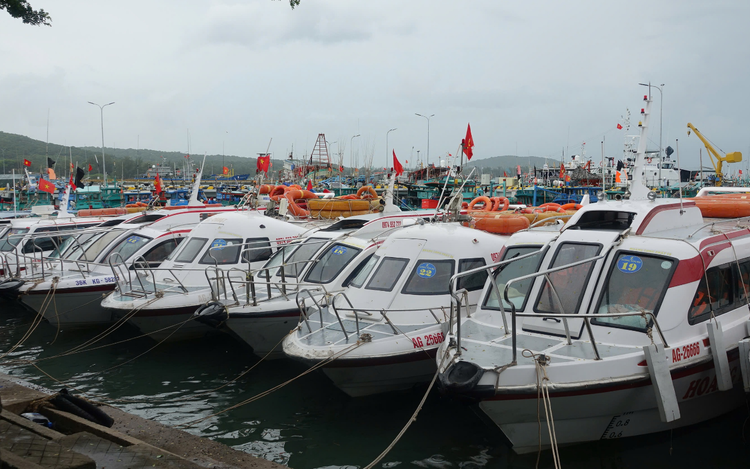
After a deadly speedboat accident occurred in Phu Quoc Special Zone, An Giang Province, southern Vietnam on July 11, 2026, many people called for the reassessment of SB-standard passenger speedboats featuring enclosed cabins. Photo: Chi Cong / Tuoi Tre
Tran Viet Phuong, chairman of the association, told Tuoi Tre (Youth) online newspaper on Wednesday that the tragedy exposed weaknesses in the management of tourist transport by speedboats, high-speed ferries, and other watercraft.
He stressed that safety must go beyond regulatory compliance and become the highest operational priority for tourism operators.
The deadly incident occurred at around 1:00 pm on Saturday, when the speedboat was transporting 32 Indian tourists and four Vietnamese nationals, including three crew members and one tour guide, from May Rut Ngoai Islet back to An Thoi Port in Phu Quoc Special Zone.
About 400 meters after departing the islet, the vessel was struck by large waves and capsized, throwing all 36 people into the sea.
Fifteen Indian tourists, including 13 men and two women, were killed in the accident.
Phuong said that one of the most pressing issues is the need for more rigorous and consistent inspections of vessels before every departure.
He also emphasized the importance of closely monitoring weather conditions, noting that marine weather can change rapidly and should play a decisive role in determining whether vessels are allowed to leave port.

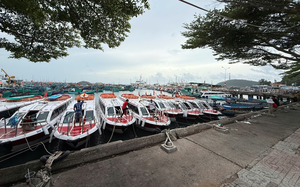
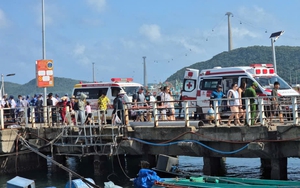
Passenger safety briefings have not received adequate attention in some locations, he said.
Tourists should be instructed on the proper use of life jackets, the location of lifesaving equipment, and emergency response procedures before departure.
They should also be required to wear life jackets throughout the journey whenever conditions warrant.
Captains, crew members, and onboard service personnel should receive regular training not only in vessel operation but also in search and rescue, first aid, and emergency response.
Also, he underlined that tourism businesses must establish clear risk management procedures and resist commercial pressure to prioritize passenger numbers or revenue over safety.
He also urged authorities to reassess whether SB-standard passenger speedboats with enclosed cabins are suitable for operations in coastal and island waters.
Any evaluation should be based on scientific evidence and practical operating conditions rather than speedboat design.
Factors such as wave conditions, navigation routes, intended use, and overall safety requirements should all be taken into account.
If shortcomings are found that could increase operational risks, technical standards or operating regulations should be revised promptly to better protect passengers.
To increase trust in Vietnam's river, coastal and island tourism, Phuong said travel companies and transport operators must recognize safety as the foundation of service quality and corporate reputation.
Tour operators should partner only with transport providers that fully meet licensing requirements, operate vessels that undergo regular inspections and maintenance, and carry all mandatory lifesaving equipment.
They should also conduct risk assessments for each tour program, continuously monitor weather forecasts and be prepared to adjust itineraries or suspend services whenever conditions become unsafe.

Tran Viet Phuong, chairman of the Mekong Delta Tourism Association. Photo: An Minh
Meanwhile, transport companies must strictly comply with passenger capacity regulations, avoid overloading vessels, carry out thorough technical inspections before departure and ensure that life jackets, lifebuoys and communication equipment are readily available.
Phuong described the Phu Quoc accident as a wake-up call for Vietnam's tourism industry to reassess risk management in marine and island tourism.
However, he stressed that the incident should not discourage the development of the segment with substantial long-term potential.
Instead, the industry should shift from a model focused primarily on exploiting natural resources toward one centered on safety, quality, and sustainable development, he said.
The Mekong Delta needs to further unlock its significant advantages of coastal, island, and river tourism.
Beyond promoting scenic landscapes, local culture and visitor experiences, tourism authorities should also emphasize the region's commitment to safety, professionalism, standardized services, and effective risk management – qualities that are becoming increasingly important to both domestic and international travelers.
Phuong also hinted at investing in waterway tourism infrastructure, including ports, mooring facilities, weather information systems, and rescue capabilities.
Regular emergency drills should be conducted, and authorities should strengthen inspections to ensure transport operators and travel businesses comply with safety regulations.








Max: 1500 characters
There are no comments yet. Be the first to comment.