


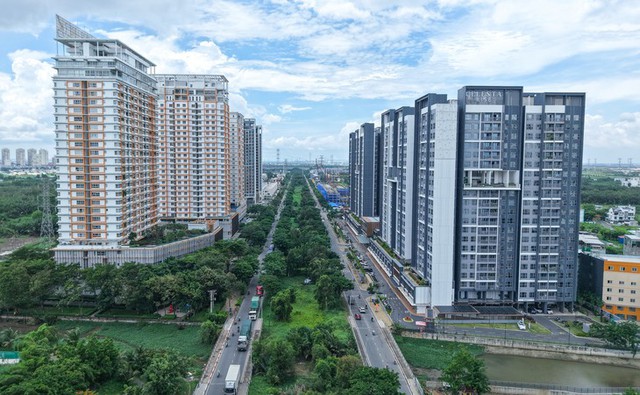
Apartment buildings are subject to a usable term based on their designed lifespan. Photo: Thuan Van
Vu Nguyen, a resident of Ho Chi Minh City, recently bought an apartment in Thu Duc that had been granted a land-use right and apartment ownership certificate, commonly known as ‘pink book.’
His pink book shows that the building stands on a 3,589-square-meter plot.
The land is classified as being for common use, with the purpose of urban residential land for condominium construction, and its land-use term is listed as long-term.
The certificate records the apartment’s floor area and states that ownership is private. However, the ownership term is shown with the symbol “-/-.”
Nguyen said he became concerned after seeing growing public discussion about apartment ownership terms.
“The previous owner had already lived in the apartment for some time,” he said.
“The pink book also does not state the building’s lifespan, so I do not know how long I will be able to use the apartment.”
Lawyer Bui Quoc Tuan from the Ho Chi Minh City Bar Association said Vietnam’s Land Law and its guiding documents specify the information that must be included in ownership certificates, including details about land and housing, their areas, forms of use and ownership, and relevant terms.
When a buyer receives a pink book, it clearly records their ownership of the apartment and their shared land-use rights.
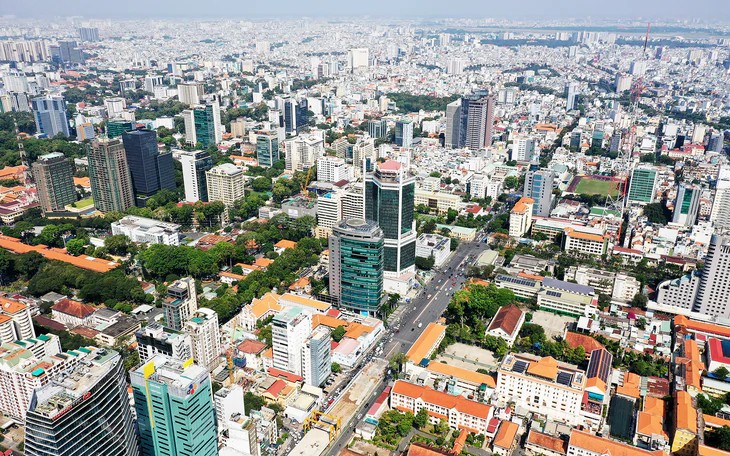
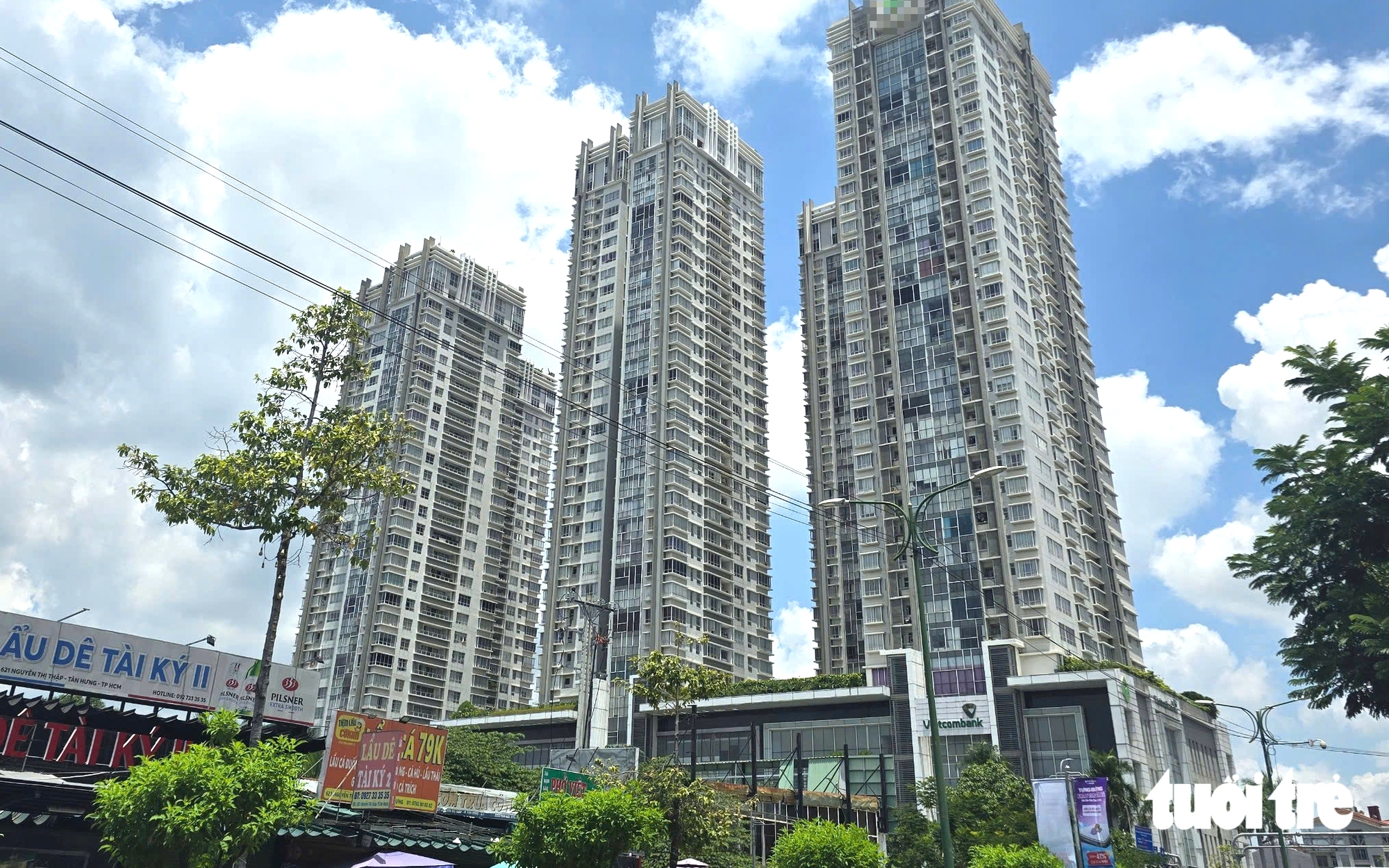
For residential land used to build apartments, the land-use rights are recognized as long-term and stable.
For the apartment itself, the pink book often shows the ownership term as “(-/-),” meaning no fixed expiration date.
In practice, this indicates that ownership remains valid until the building is deemed unsafe and must be demolished or rebuilt.
Therefore, when purchasing an apartment, buyers receive long-term shared land-use rights while privately owning their individual apartment for a stable period corresponding to the safe usable life of the building, Tuan explained.
The central government is currently studying regulations that would link the usable term of apartment buildings to their designed construction lifespan.
Le Huu Nghia, general director of Le Thanh Construction and Trading Co., Ltd., said the lifespan of an apartment building is not normally stated in its construction permit or the document certifying completion and acceptance of the project.
Instead, it is determined based on the construction design documents submitted by the developer when seeking approval for the project.
Apartment buildings are generally classified as Grade 1 structures, which have a minimum designed durability of 100 years, Nghia said.
“When developing an apartment building, the investor is allocated residential land by the state and receives a land-use right certificate with a 50-year term. But apartment buyers receive pink books recognizing their residential land-use rights as long-term and stable, while their apartment ownership is also stable throughout the building’s lifespan,” he said.
There are exceptions for projects such as shopping centers, mixed-use apartment-office complexes, and tourism developments designed primarily for business and commercial activities, Nghia said.
In those cases, the land allocated to the developer is commercial and service land. Its use term is therefore determined according to the investment project’s duration, which generally cannot exceed 50 years under current regulations.
Construction engineer Nguyen Manh Truong said establishing a building lifespan is necessary because every structure is designed and constructed according to specific technical standards, regulations, and durability requirements.
A condominium classified as a Grade 1 structure generally has a minimum designed durability of 100 years, Truong said.
However, the actual service life can be longer or shorter than the designed lifespan, depending on how the building is used and maintained.
According to Truong, the designed lifespan serves several purposes. It helps establish the developer’s responsibility for construction quality and provides a basis for authorities to determine when a building should undergo inspection.
Such inspections can establish whether a condominium remains safe for continued use or whether it needs to be renovated or rebuilt to protect residents.
Truong said that every structure has a lifespan, and urban residents should accept that apartments, like any product, eventually depreciate and require rebuilding.








Max: 1500 characters
There are no comments yet. Be the first to comment.