


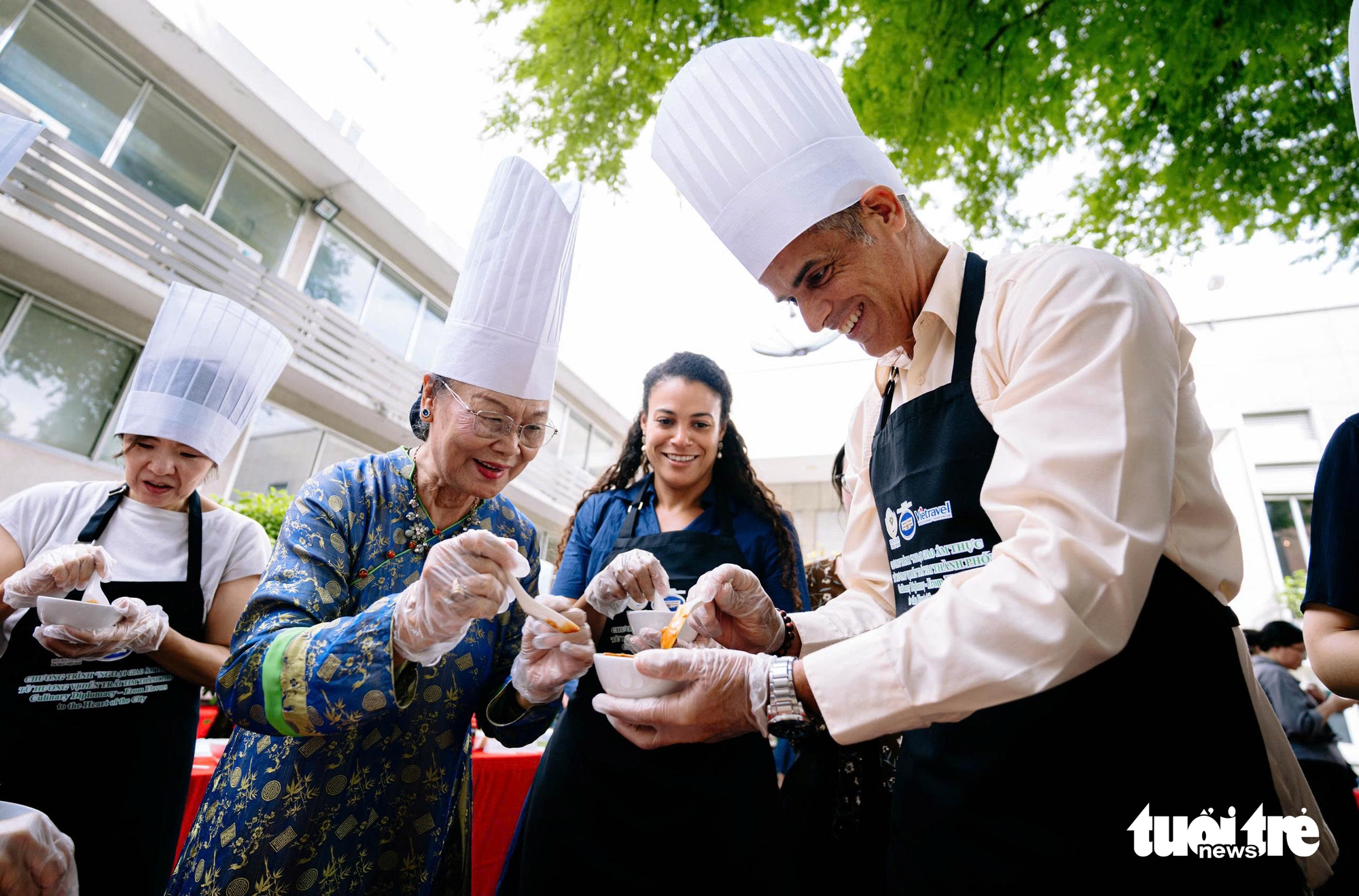
Culinary artisan Ho Dac Thieu Anh shows Cuban Consul General in Ho Chi Minh City Mauricio Alejandro Martinez Duque (right) and Dutch Consul General in Ho Chi Minh City Raissa Marteaux (center) how to prepare a dipping sauce for Vietnamese fresh spring rolls at the 'Culinary Diplomacy: From Flavors to the Heart of the City' event on August 1, 2026. Photo: Thanh Hiep / Tuoi Tre
The diplomats spent their weekend morning in the courtyard of the Institute for Cultural Exchange with France (IDECAF), gathering for a special cooking class.
The space soon buzzed with laughter as the aroma of freshly fried cha gio (Vietnamese fried egg rolls) filled the air and colorful goi cuon (fresh spring rolls) took shape in the hands of the international guests.
Part of the "Culinary Diplomacy: From Flavors to the Heart of the City" program, the session offered participants a hands-on lesson from local artisans in crafting two of Vietnam's most iconic roll dishes.
The shortest way to the heart...
Held under the theme "Tropical Summer," the event was jointly organized by the Ho Chi Minh City Department of Foreign Affairs, the Vietnam Cuisine Culture Association (VCCA), Vietravel, and IDECAF.
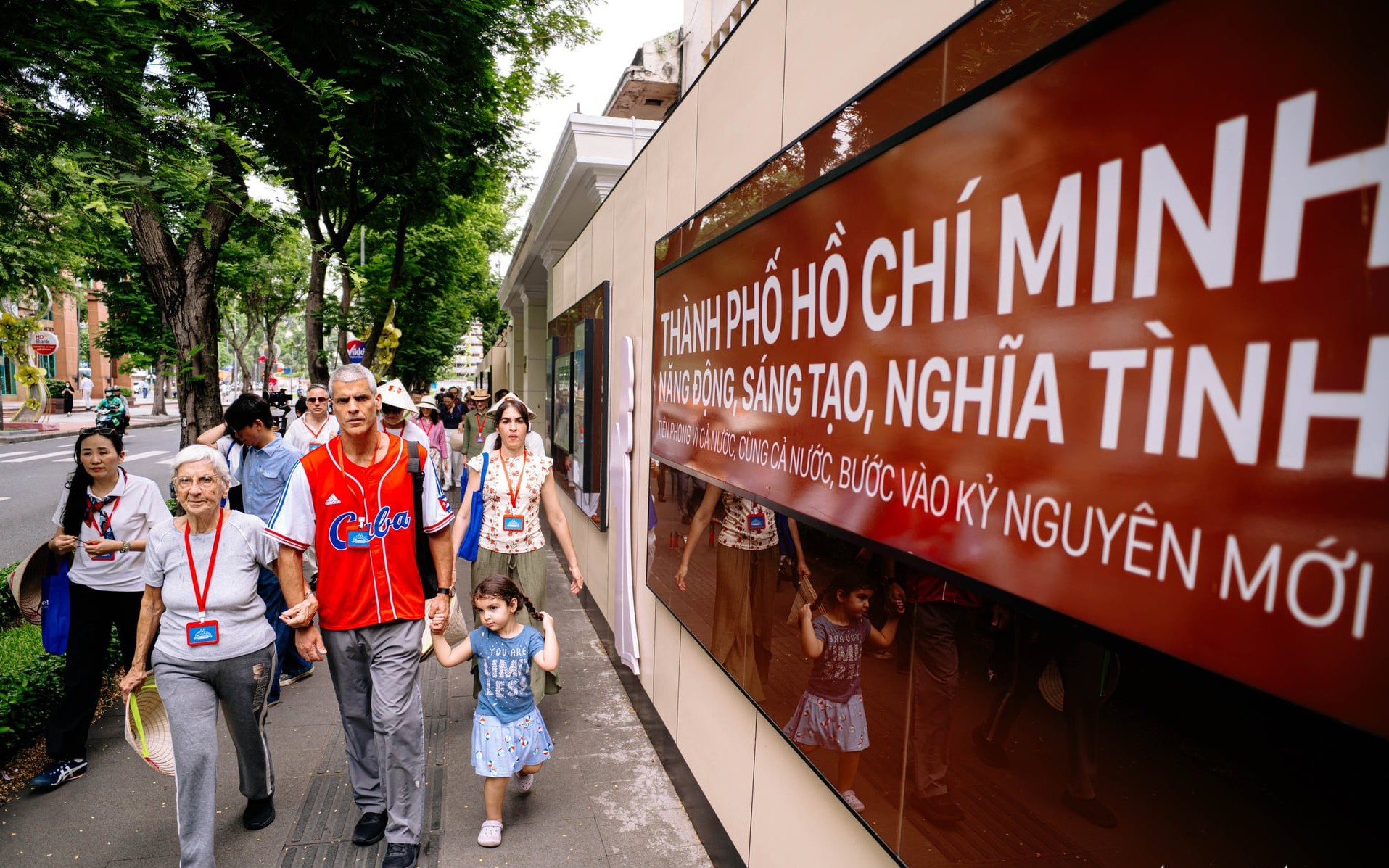
It brought together members of the consular corps along with representatives from diplomatic missions, government agencies, and businesses.
Besides learning to make the rolls and dipping sauces, guests also experienced the art of brewing and tasting Shan Tuyet white tea and lotus tea to gain deeper insight into Vietnam's tea culture.
According to the city's Department of Foreign Affairs, the program aims to create a cultural exchange platform between the diplomatic community and Ho Chi Minh City through cuisine, a "language" capable of transcending linguistic and geographical barriers.
“The shortest way to someone’s heart is through their stomach,” said Nguyen Ngoc Lan, head of IDECAF, in her opening remarks.
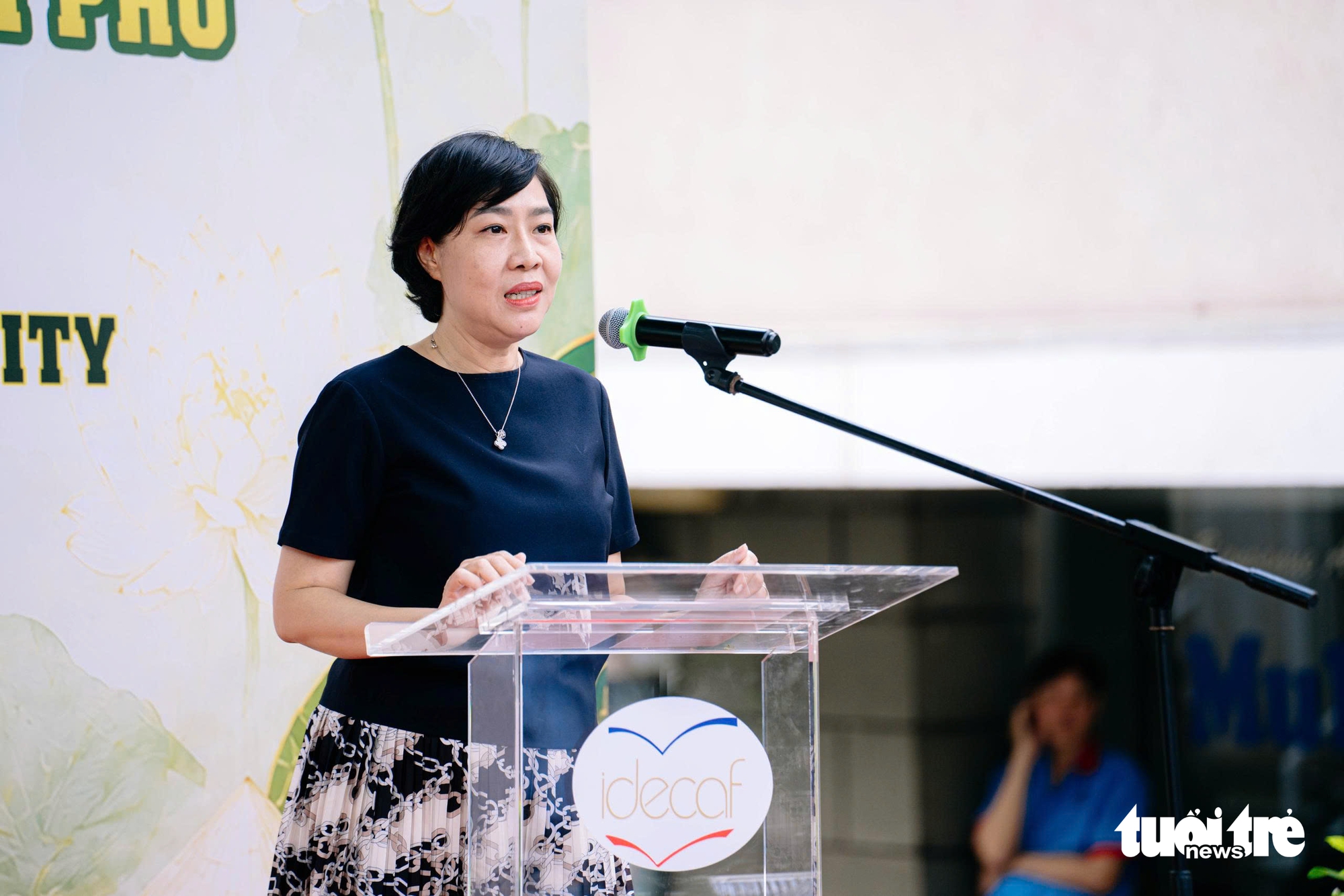
Nguyen Ngoc Lan, head of the Institute for Cultural Exchange with France (IDECAF), delivers opening remarks on August 1, 2026 at the 'Culinary Diplomacy: From Flavors to the Heart of the City' event on August 1, 2026. Photo: Thanh Hiep / Tuoi Tre
“Today, we have the opportunity to put that wisdom to the test in a truly unique way not only by tasting delicious food but also by preparing them together, sharing conversations, and discovering the stories and traditions woven into every dish,” she added.
“Diplomacy does not exist solely in conference rooms or across negotiating tables.
“Sometimes, it begins with a delicately rolled fresh spring roll, a perfectly balanced dipping sauce, or a simple cup of tea offered with genuine warmth.
“These small yet heartfelt gestures have the power to spark lasting friendships and lay the foundation for enduring partnerships.”
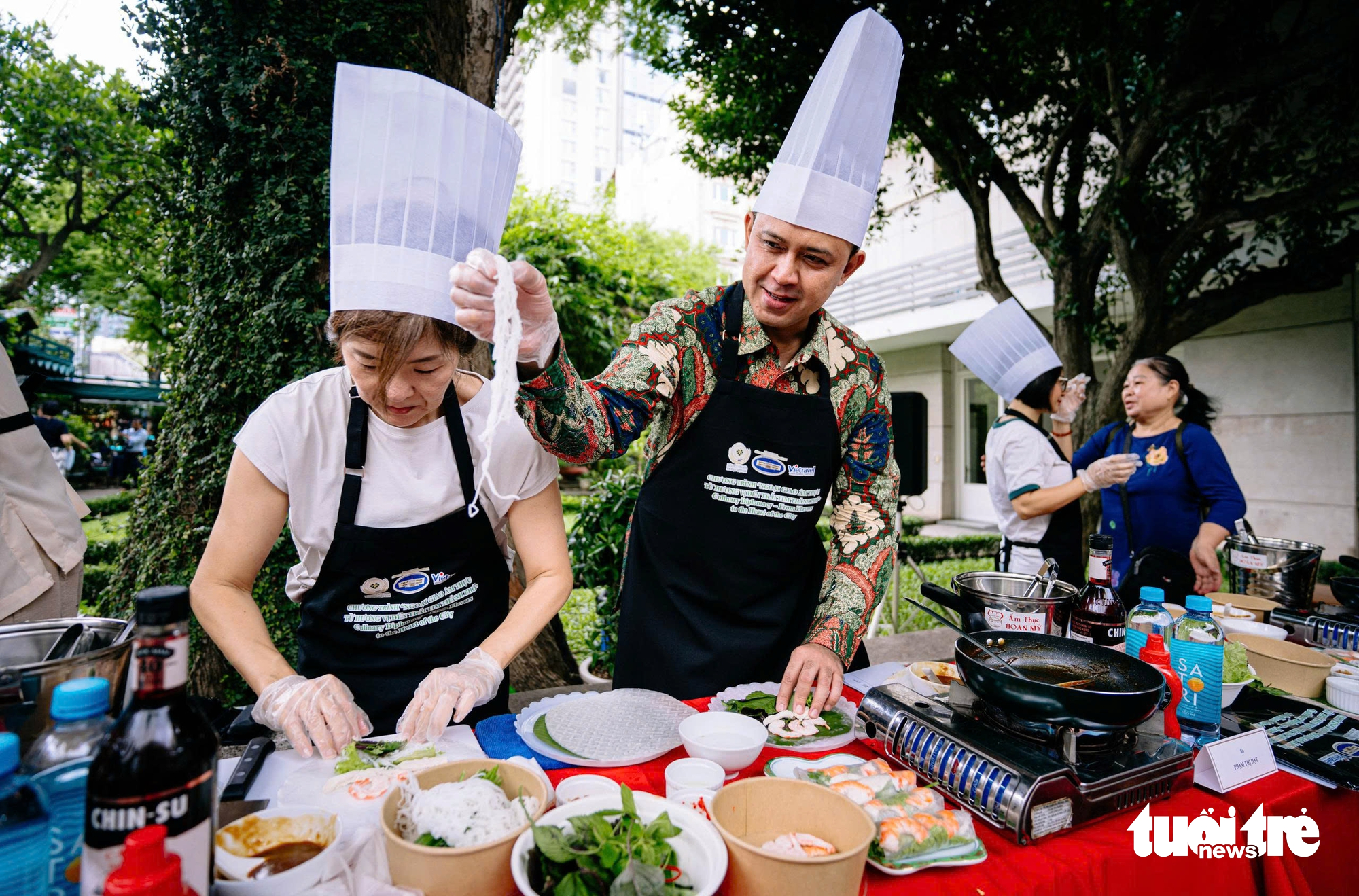
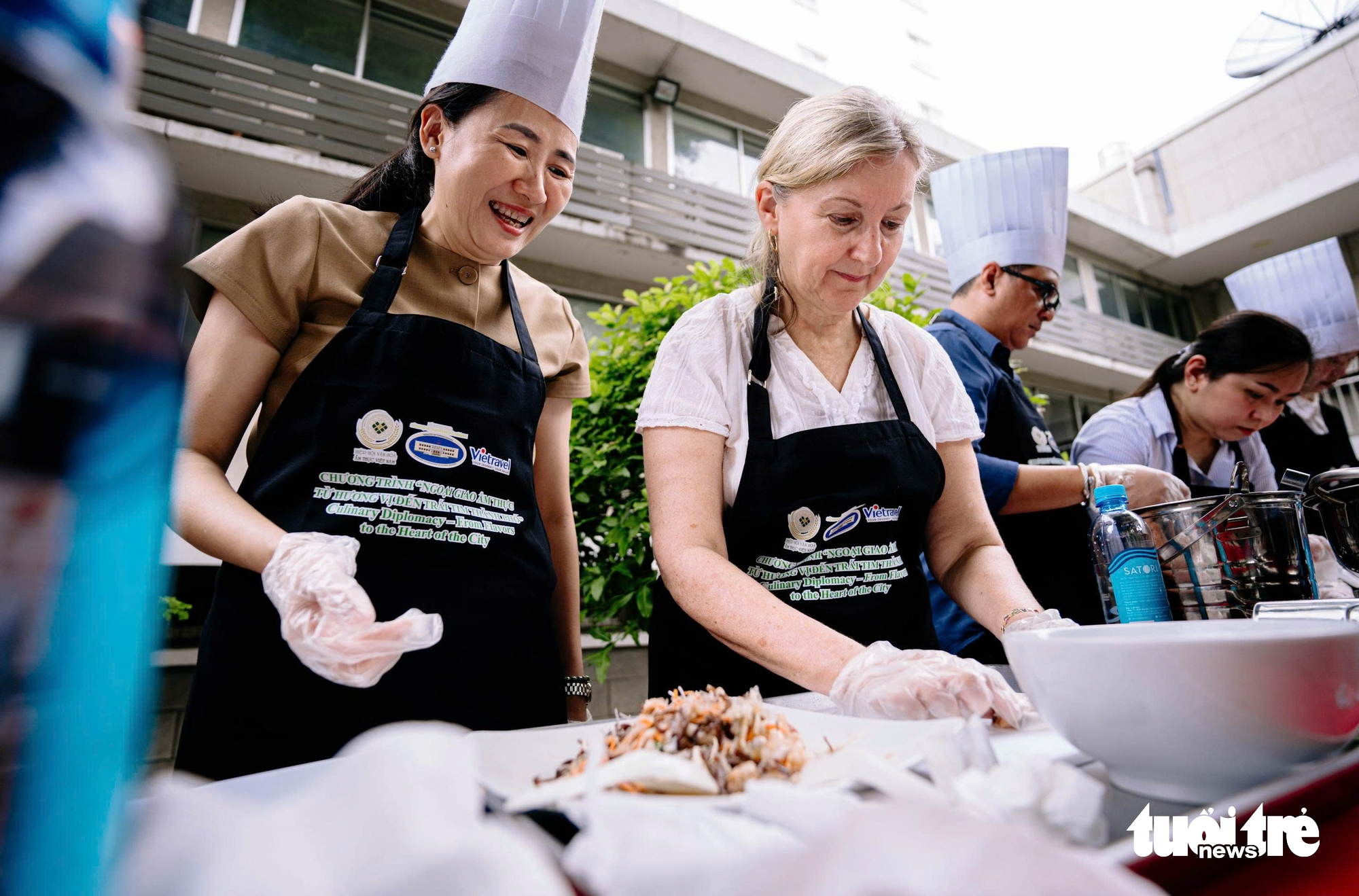
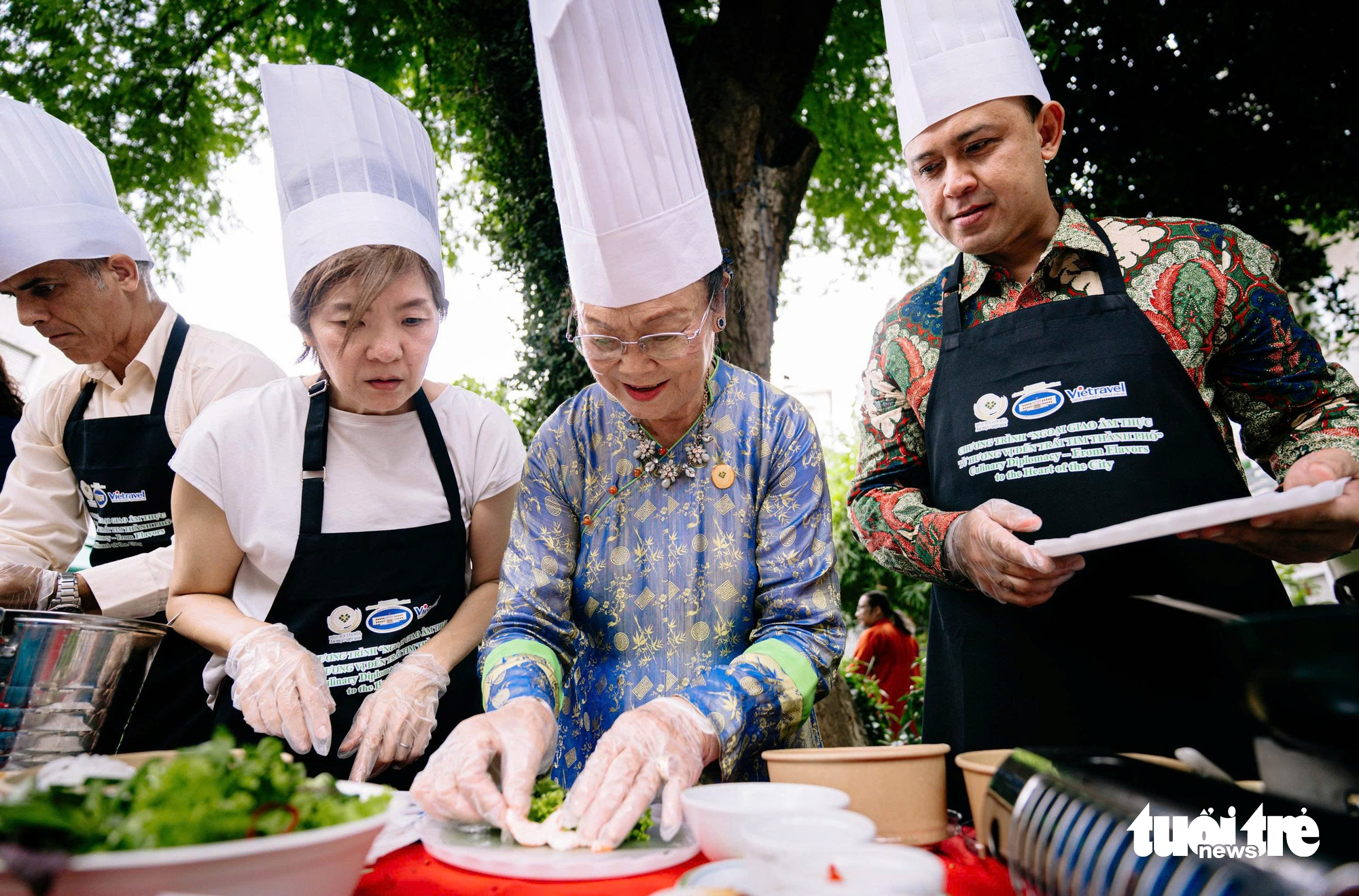
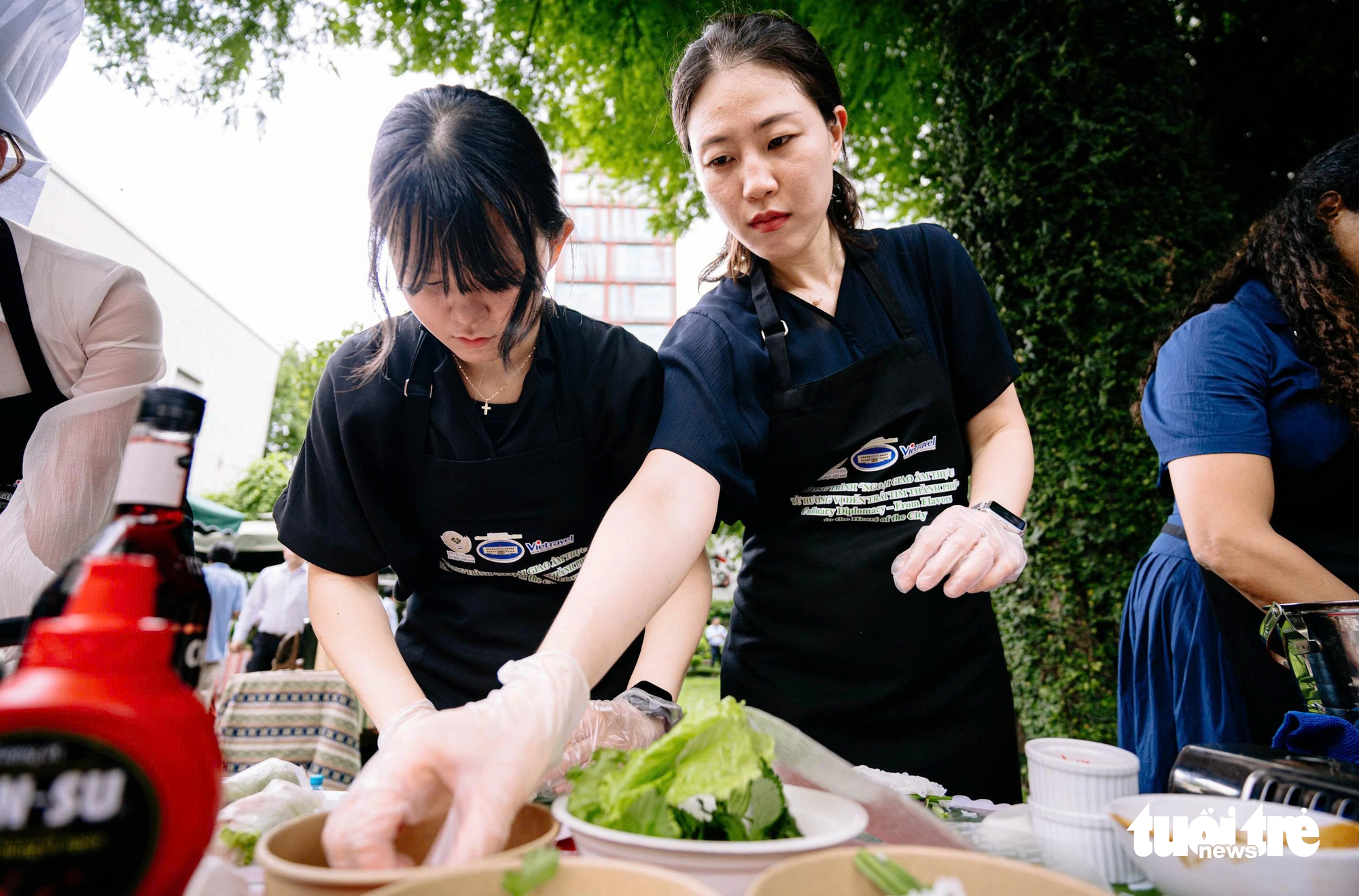
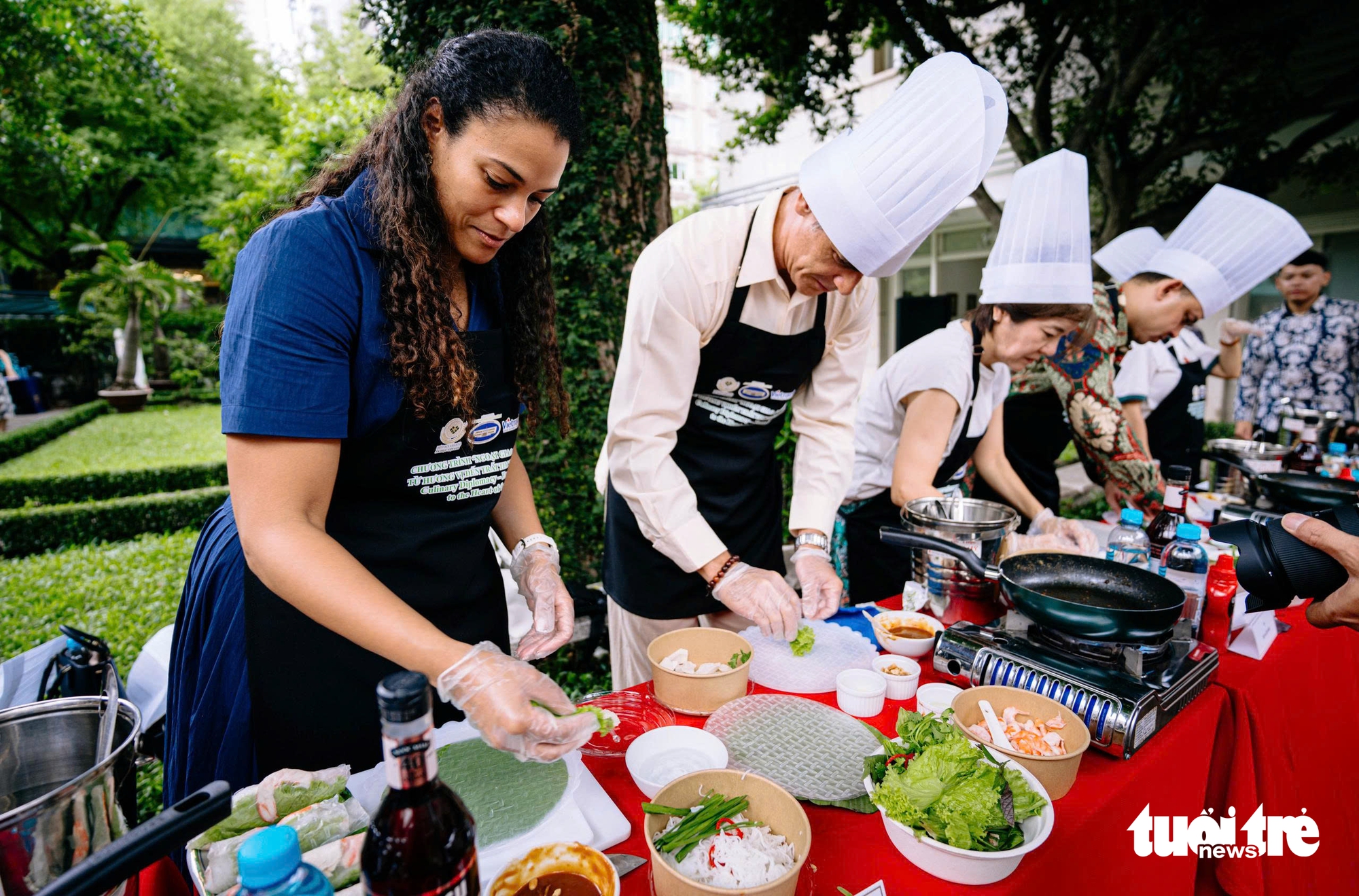
Participants learn to make the two iconic Vietnamese roll dishes of goi cuon and cha gio at the 'Culinary Diplomacy: From Flavors to the Heart of the City' event on August 1, 2026. Photo: Thanh Hiep / Tuoi Tre
At his cooking station, Cuban Consul General in Ho Chi Minh City Mauricio Alejandro Martinez Duque carefully watched the oil heat up before adding garlic to prepare the dipping sauce.
The Cuban consul general said it was his first time taking part in a cultural diplomacy event centered on hands-on culinary experiences.
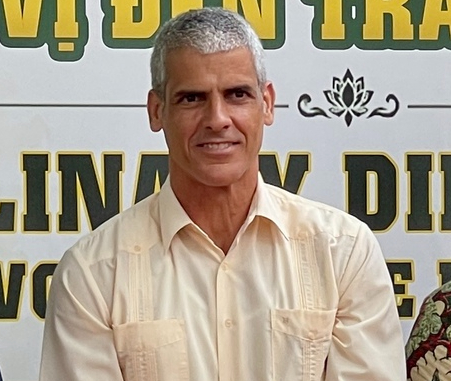 Cuban Consul General in Ho Chi Minh City Mauricio Alejandro Martinez Duque
Standing next to him, Raissa Marteaux, Consul General of the Netherlands in Ho Chi Minh City, was delighted to learn a practical trick from a culinary artisan: using leafy vegetables dipped in water to gently moisten the rice paper instead of submerging it directly.
“Those are the little tricks that you really only know when a chef teaches you,” she said. “Those are good tips to have for the future.”
Culinary diplomacy opens doors
For Marteaux, the experience was especially meaningful, not only because it deepened her understanding of Ho Chi Minh City and its cuisine, but also because it allowed her to prepare a dish that had unexpectedly connected her with Vietnam some two decades ago.
She recalled weekend trips to a market in the Netherlands with her mother, where a Vietnamese vendor always sold fried spring rolls.
“So every weekend when we would go and do groceries at the market, I would get one fried spring roll. And now, I learned how to make them myself,” she expressed.
The Dutch consul general said culinary diplomacy can open doors, build bridges, and create understanding.
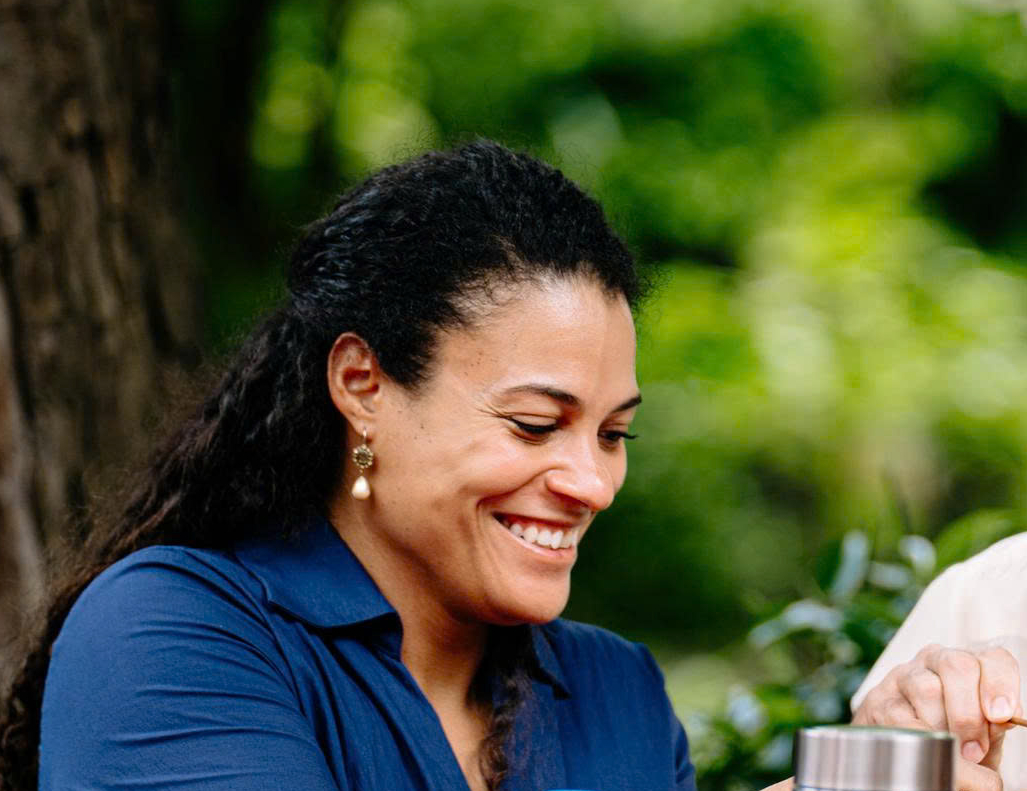 Raissa Marteaux, Consul General of the Netherlands in Ho Chi Minh City
Reflecting on the cooking experience and what it made her think about Ho Chi Minh City, the Dutch consul general said two things stood out to her: contradictions, like sweet and sour flavors, and the importance of balancing them.
The Vietnamese tea ceremony she experienced at the event also gave Marteaux fresh insights into Ho Chi Minh City and Vietnamese culture.
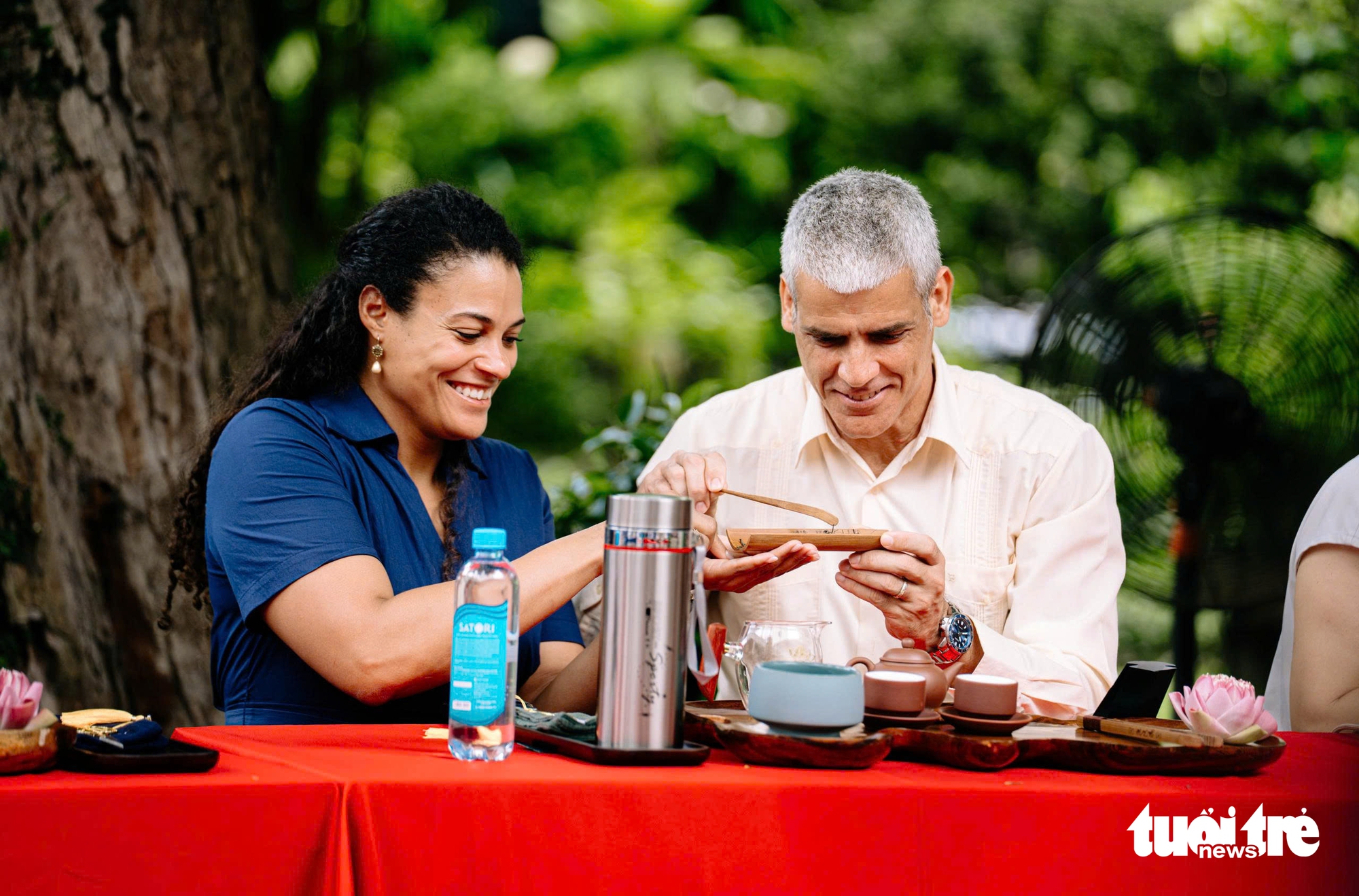
Raissa Marteaux (left), Consul General of the Netherlands in Ho Chi Minh City and Mauricio Alejandro Martinez Duque, Consul General of Cuba in Ho Chi Minh City learn to brew tea at the 'Culinary Diplomacy: From Flavors to the Heart of the City' event on August 1, 2026. Photo: Thanh Hiep / Tuoi Tre
"It also tells us a little about the Vietnamese way of life. There is a lot of reflection in Vietnamese culture, and also a lot of appreciation for the finer things,” she said.
"I was laughing with my Cuban colleague because when we drink tea, it's just a tea bag in a big cup. We don't smell anything.
“But here, every step of the way, you appreciate the small changes – how the aroma changes, how the flavor changes – as well as the whole process.”
“Especially in Ho Chi Minh, everything has a tendency to go fast all the time,” she added.
“This showed me that there is also a side that can slow down, reflect, and appreciate. That's why it was a learning moment.”
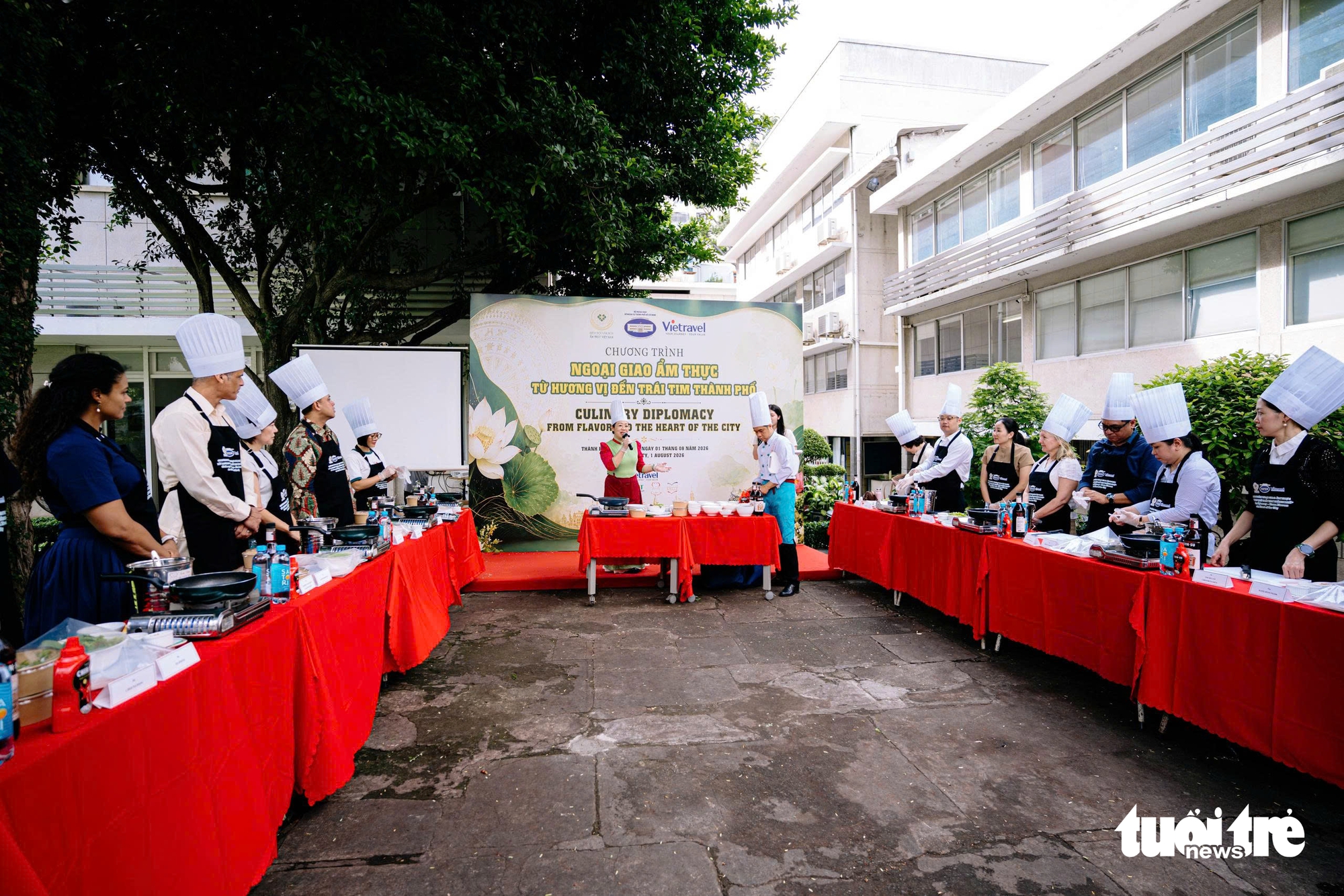
Participants learn to make the two iconic Vietnamese roll dishes of goi cuon and cha gio at the 'Culinary Diplomacy: From Flavors to the Heart of the City' event on August 1, 2026. Photo: Thanh Hiep / Tuoi Tre
According to Marteaux, Ho Chi Minh City has every opportunity to leverage culinary diplomacy to bring its image even closer to international audiences.
She noted that Ho Chi Minh City is seeing so many different developments and has many ways to position itself.
As one example, she pointed to fashion, saying that more and more people on social media now recommend visiting Ho Chi Minh City specifically for shopping.
“I think it's the same for food to show like Ho Chi Minh City can be a food hub, a place where people can travel just to experience the food,” she said.
“I mean, I love traveling and one of the big parts of my trip is trying the food. So I will always try to go to the best place, the best city in the country for food.
“And I think Ho Chi Minh City can become one of them.”
Beyond its flavors, Marteaux believes one of Vietnamese cuisine's greatest strengths is its remarkable regional diversity, something many foreign visitors are not yet fully aware of.
If the story behind that diversity, along with the origins and cultural background of each dish, could be presented more vividly through food festivals or fresh, accessible culinary experiences, Vietnamese cuisine would become even more appealing to international visitors.








Max: 1500 characters
There are no comments yet. Be the first to comment.