


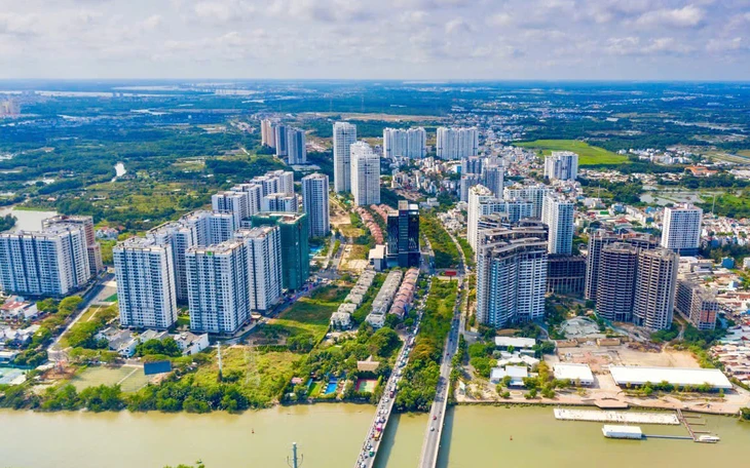
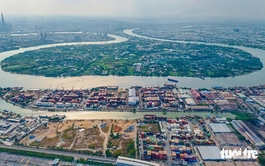
Ho Chi Minh City has a strong need for affordable housing. Photo: Quang Dinh / Tuoi Tre
The architect, CEO of Singapore-based Global Vireon Studio Co., shared his views and recommendations following a seminar on smart urban development and construction solutions in Ho Chi Minh City on August 20.
Balancing affordability with quality of life
Vietnam, including Ho Chi Minh City, is developing rapidly, while providing adequate housing for people with modest incomes remains a major government priority, Bernard said.
Singapore has addressed a similar challenge through its public housing model, while Vietnam has been accelerating social housing development with targets set through 2030.
The country is also looking to expand affordable rental and commercial housing, which Bernard said is broadly similar to Singapore's approach.
However, Vietnam's social housing strategy should focus not only on meeting numerical targets but also on developing a comprehensive strategy for affordable housing for the broader population, he said.

Singaporean architect Bernard Low Boon Yong, CEO of Global Vireon Studio Co. Photo: Tuoi Tre
Singapore has spent six decades developing its public housing strategy. The government has allocated 8 percent of public land to build more than 1.13 million public housing units, providing homes for around 80 percent of the population, or about 3.2 million people. Around 90 percent of these residents own their homes.
Vietnam, particularly Ho Chi Minh City, needs a more comprehensive housing strategy to guide urban planning, policymaking, and design and construction standards, Bernard said.
The core objective should be to maximize housing supply at prices people can genuinely afford while maintaining good construction quality, a high standard of living and strong community connections.
Keeping housing costs within reach
Ho Chi Minh City has been actively developing social housing projects, but many projects remain disconnected from workplaces and lack integrated infrastructure, transport links and essential amenities. This can increase residents' overall living and commuting costs, Bernard said.
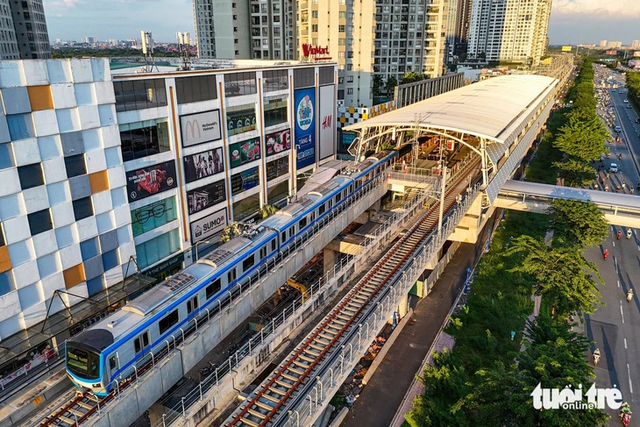
Metro lines are creating opportunities to develop social, rental and affordable commercial housing under the transit-oriented development (TOD) model in Ho Chi Minh City. Photo: Chau Tuan / Tuoi Tre
Access to social housing in well-connected areas is also difficult because of limited supply and relatively high mortgage interest rates.
Government policies supporting social housing, rental housing and affordable commercial housing have attracted considerable attention, but financial support needs to be closely integrated with urban planning, land allocation and project management to keep housing costs reasonable while maintaining a good quality of life.
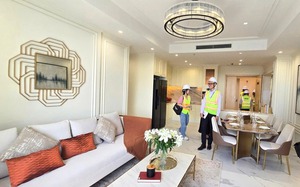

Vietnam should establish detailed standards specifically for social housing, rental housing and affordable commercial housing, Bernard said.
The government should play a strong leading role in creating a framework that guarantees housing standards and quality while keeping total housing costs as low as possible.
Such costs should cover not only purchase or rent-to-own expenses but also property management, utility services and energy consumption throughout the life of a building.
Establishing clear housing development principles
Vietnam should establish a clear set of principles for developing social, rental and affordable housing.
These principles could form the basis for dedicated design and construction standards that ensure both quality and affordability.
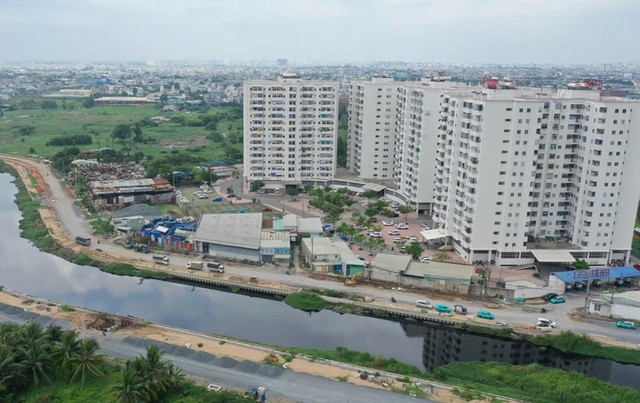
Le Thanh Apartment in Ho Chi Minh City is among Vietnam's first affordable commercial rental housing projects. Photo: Tri Duc / Tuoi Tre
Singapore's public housing system, for example, follows seven core principles: integrating housing with surrounding landscapes, adapting to an aging society, optimizing functionality and efficiency, promoting sustainable design, ensuring security, safety and privacy, strengthening community ties, and facilitating operation, maintenance and upkeep.
Drawing on his experience in designing, constructing and managing public housing projects in Singapore, Bernard has advised on several social and affordable housing projects in Vietnam, including projects in Binh Duong, which is now part of Ho Chi Minh City, and Dong Nai City.
Design standards, construction technology, energy consumption and green-building solutions should all be considered from the earliest stages of a project to reduce both construction costs and residents' expenses throughout the building's life cycle, he said.
Affordability should not be assessed solely on a home's initial purchase price but also on its total life-cycle cost.
Homes priced at around VND20-25 million ($768-960) per square meter can provide good functionality and relatively comprehensive amenities, Bernard said.
The ultimate goal is to provide quality homes at reasonable prices, with convenient access to workplaces and essential services, while creating safe, civilized and vibrant communities for Vietnamese residents.








Max: 1500 characters
There are no comments yet. Be the first to comment.