


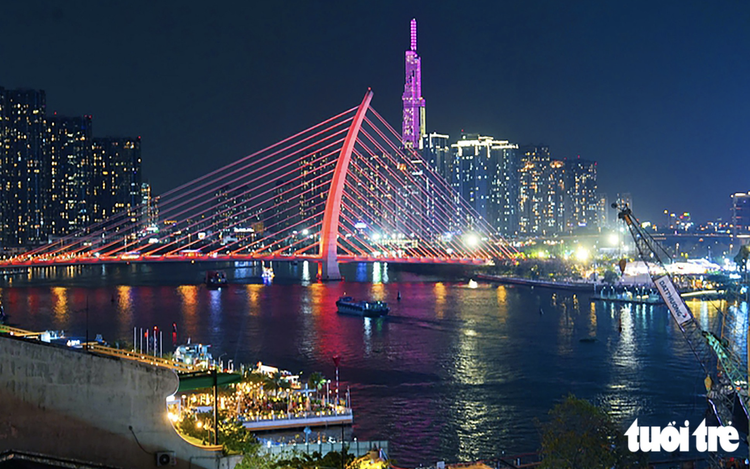
The Ho Chi Minh City People’s Committee is seeking public feedback on a draft resolution governing the organization and operation of the city’s nighttime economy, as well as management mechanisms and policies to incentivize and support its development. Photo: Ky Phong / Tuoi Tre
The Ho Chi Minh City People’s Committee is seeking feedback on the draft resolution governing the organization and operation of the city’s nighttime economy, as well as management mechanisms and policies to support and incentivize its development.
Under the draft, if nighttime economic activities violate the law, seriously affect residents’ lives, or face widespread opposition from people directly affected, ward- and commune-level authorities must review the situation, engage in dialogue with the community and report to the competent authorities for consideration.
Depending on the circumstances, activities could be adjusted, temporarily suspended or terminated.
Before authorities approve or pilot a nighttime economic zone, route or venue that could directly affect a residential area, or one located in an area containing cultural heritage, the lead agency must conduct community consultations and assess the social impacts.
The consultation process would cover the boundaries of the area, types of activities, operating hours and management arrangements.
It would also address measures to control noise, waste, traffic and security, as well as fire prevention and firefighting.
Mechanisms for receiving and handling complaints and plans to share benefits with local communities would also have to be considered.
The draft also divides violations affecting local communities into three categories based on the severity of complaints.
The emergency category includes issues involving security and public order, fires and explosions, accidents, violence and other threats to safety.
Serious violations include prolonged noise disturbances, large amounts of waste, traffic congestion and other conflicts or impacts affecting residents.
The ordinary category covers issues such as service quality, prices, staff attitudes, hygiene, environmental conditions, signage and public services.
Besides, the draft sets out specific requirements and procedures for recognizing nighttime economic zones, routes and venues.
Applications must include a request for establishment and operating regulations for the proposed nighttime economic area.
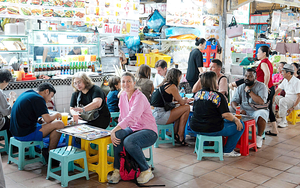

They must also include minutes documenting consultation with representatives of residents in the area or adjacent neighborhoods.
Proposals must clearly state their objectives, proposed operating area, scale, number of business establishments, property owners and number of permanent-resident households, as well as the rights and responsibilities of relevant parties.
Applicants must also commit to meeting standards concerning business culture, security and public order, social safety and environmental protection.
They are expected to promote cultural values, commercial activities and the preservation of traditional trades, while contributing to improvements in residents’ quality of life.
The city has been promoting nighttime tourism for many years as part of efforts to develop the urban economy and improve economic opportunities for residents, according to the municipal Department of Tourism.
The department is developing a tourism development plan for the city through 2030, with an orientation toward expanding tourism activity beyond the central core.
This year, the department plans to study the spending patterns of domestic and international visitors to Ho Chi Minh City, particularly in the city center and connected areas.
The findings are expected to give businesses a clearer picture of market demand and help them develop products that better match visitors’ needs.
The city also plans to build a comprehensive picture of spending patterns related to nighttime activities.
Beyond established destinations such as Bui Vien Walking Street and Japan Town, Ho Chi Minh City has numerous other locations with potential for nighttime economic development.
These include Ben Thanh Market and the city’s Chinatown food area, which could attract more visitors and encourage greater spending in the city.


Max: 1500 characters
There are no comments yet. Be the first to comment.