
Discover 2 'green lungs' added to Ho Chi Minh City after administrative merger
One year after the administrative merger in July 2025, Ho Chi Minh City has taken over areas formerly belonging to Ba Ria - Vung Tau Province, including the vast primary forests of Con Dao and Binh Chau - Phuoc Buu, enriching the city's natural landscape and biodiversity.
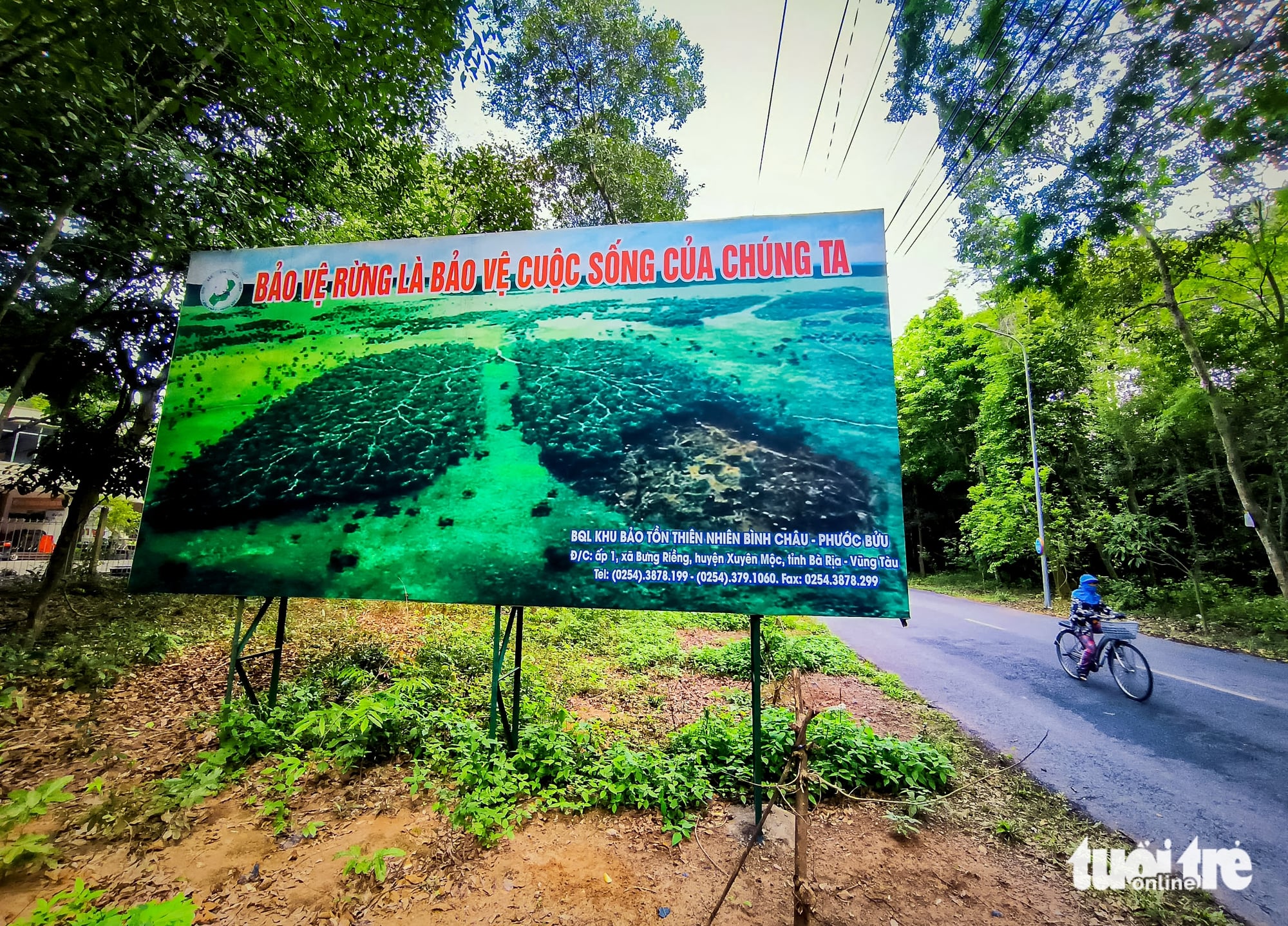
The Binh Chau - Phuoc Buu primary forest covers more than 10,500 hectares across the communes of Binh Chau, Xuyen Moc, and Ho Tram. It is dominated by dipterocarp trees and is home to many other rare and precious species. Beyond conservation, the Binh Chau - Phuoc Buu Nature Reserve also serves as a coastal environmental buffer, protects natural landscapes, supports scientific research and field studies, promotes environmental education, and provides opportunities for recreation and ecotourism.
Amid Ho Chi Minh City's fast-paced economic expansion, the vast primary forest remain protected as the city's green lungs.
The Binh Chau - Phuoc Buu Nature Reserve is Vietnam's only relatively intact coastal primary forest.
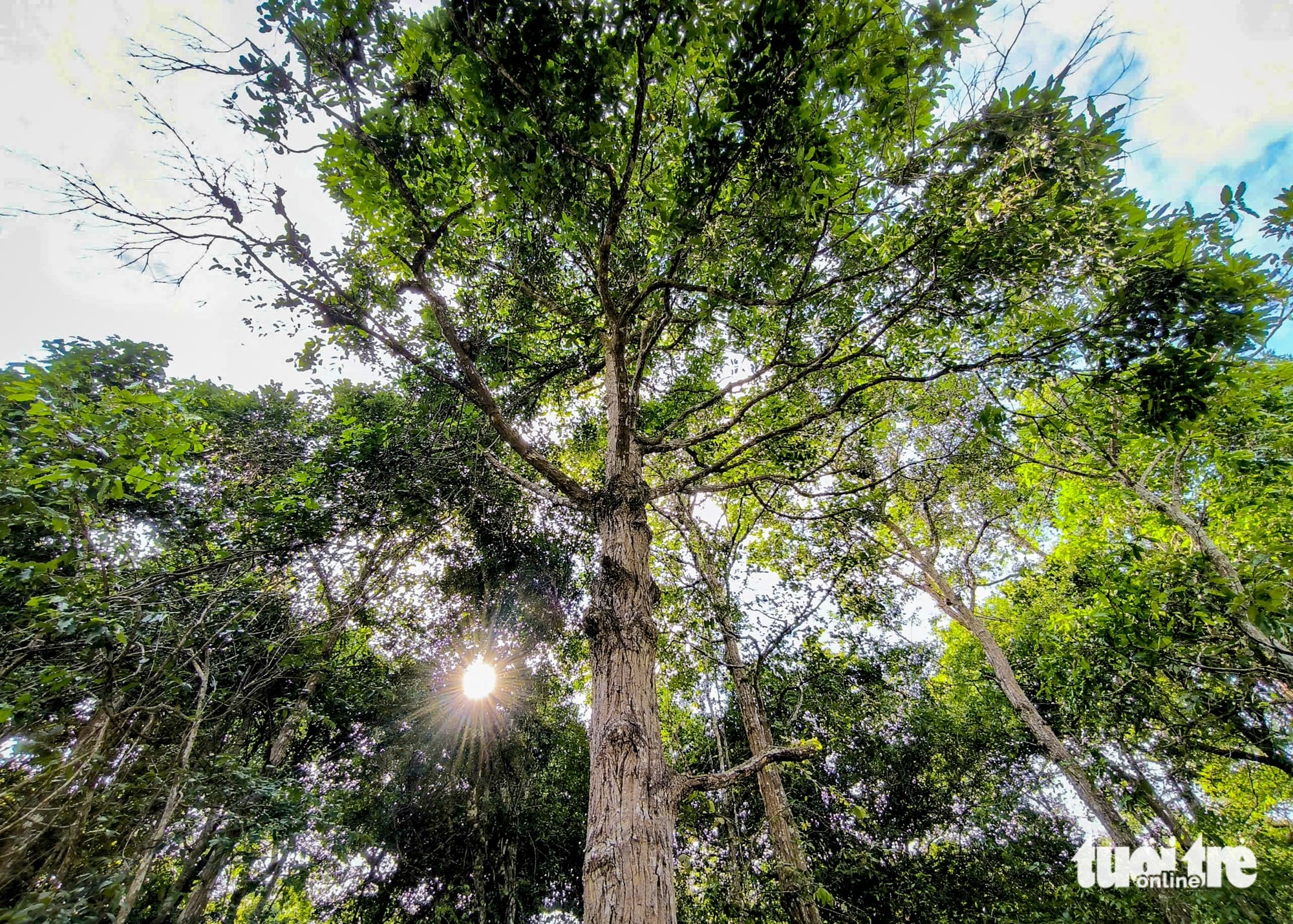
The Binh Chau - Phuoc Buu forest was established as a national protected forest in 1978. In 1984, it was officially recognized by the Vietnamese government as a nature reserve. Since 2002, the reserve has been open to visitors.
Thanks to effective conservation efforts and a diverse ecosystem encompassing hills, mountains, streams, lakes, coastline, and forest, the reserve holds significant potential for tourism.
The forest also borders Ho Chi Minh City's coastal road, which is currently being widened, creating a spectacular landscape where dense forest meets the sea.
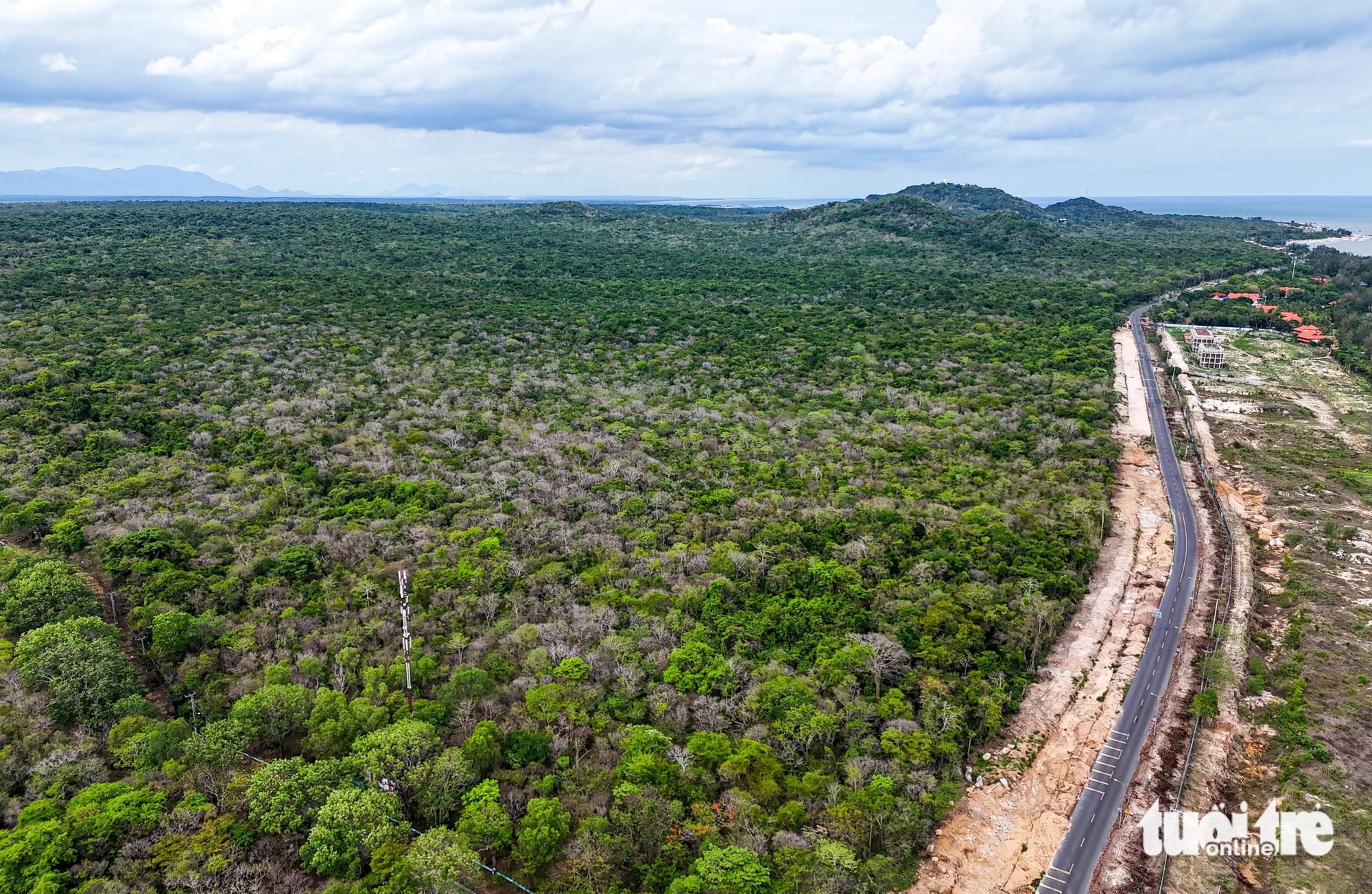
Ho Chi Minh City's 77-kilometer coastal road runs alongside a stretch of primary forest and is currently being widened from six to eight lanes.
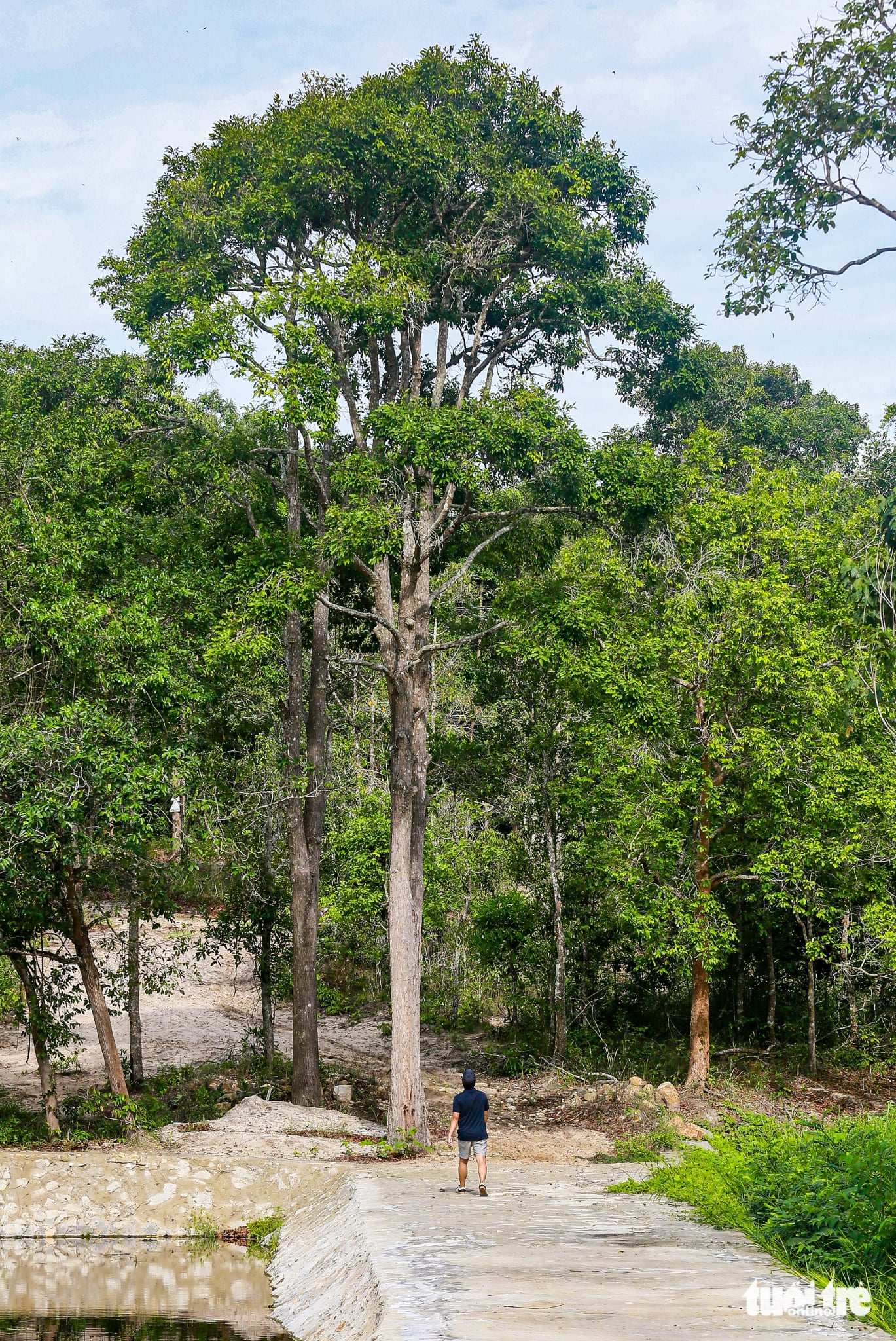
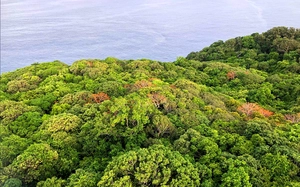
A towering tree rises dozens of meters above the forest floor in the Binh Chau - Phuoc Buu Nature Reserve. The reserve has retained a relatively intact coastal forest ecosystem, where diverse flora and fauna thrive in a well-preserved natural environment.
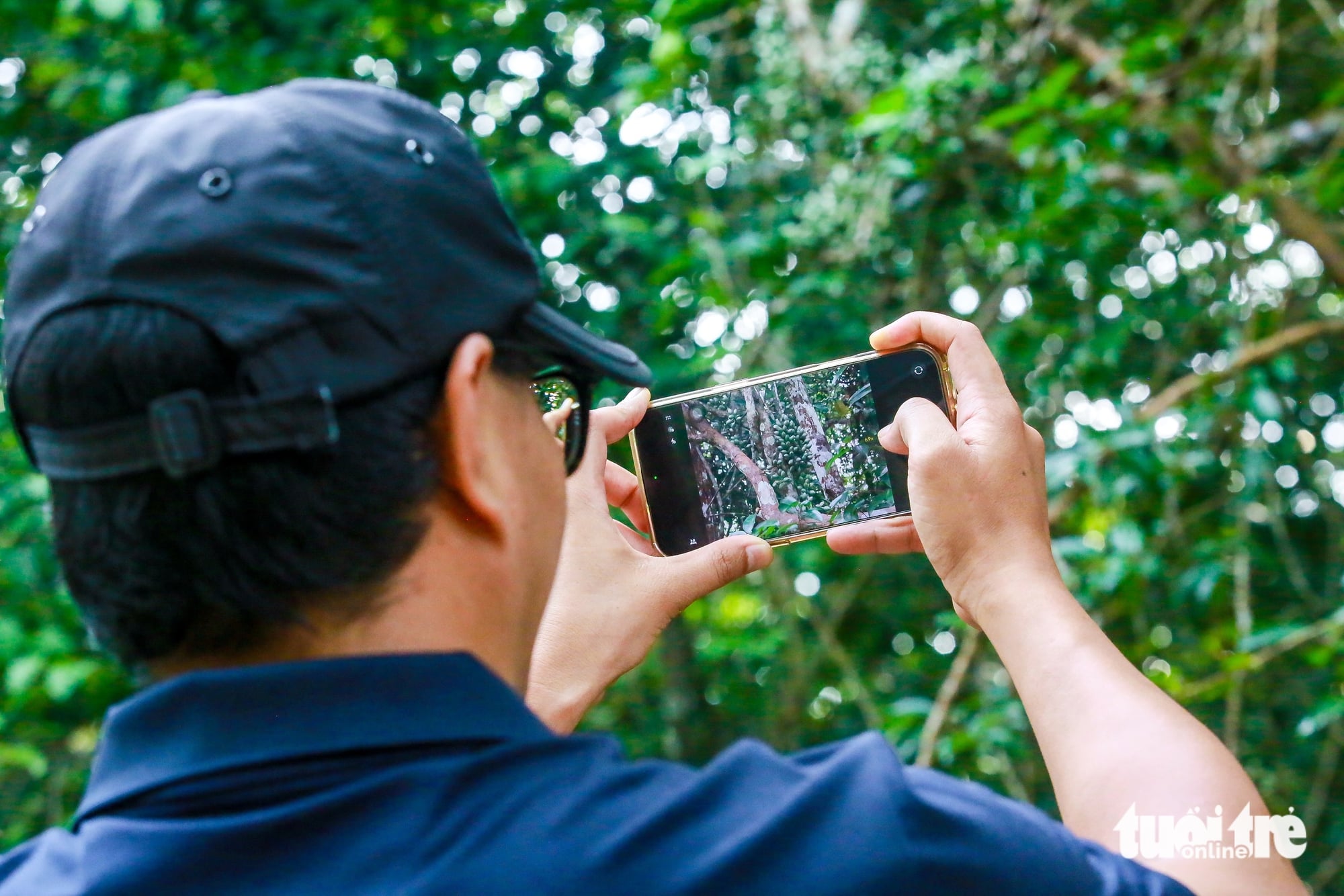
To protect the forest, authorities have invested in fencing around the special-use zone, contracted forest management to local caretakers, planted native tree species, and relocated households that had encroached on forest land.
Meanwhile, Con Dao National Park is home to nearly 6,000 hectares of primary forest.
This "green lung," where forest and sea blend seamlessly, shelters many rare endemic plant and animal species.
These invaluable old-growth forests have become one of Ho Chi Minh City's greatest natural assets following the merger and continue to receive enhanced protection and conservation.
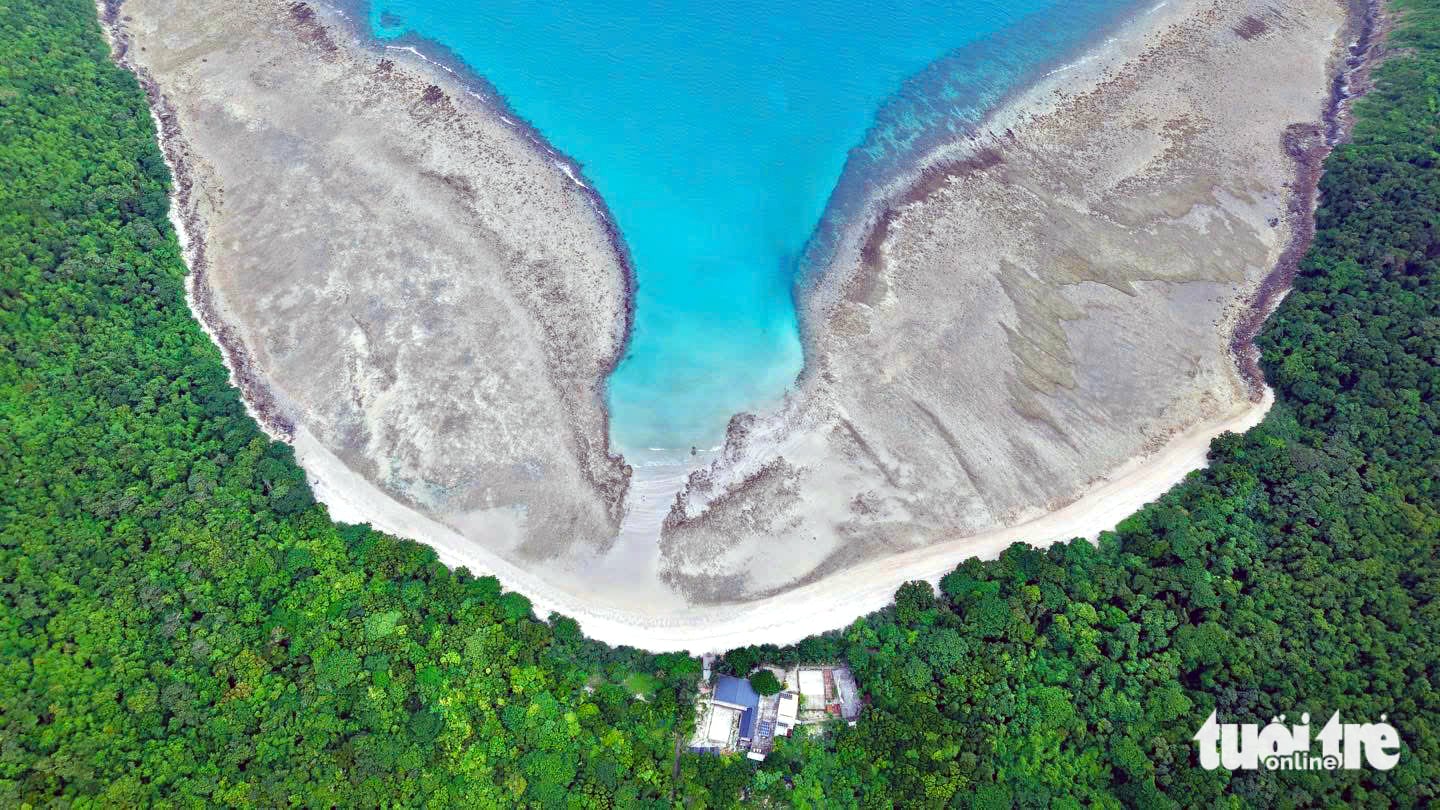
Con Dao National Park was established in 1993, based on the Con Dao Protected Forest which was designated in 1984. On July 1, 2025, management of the park was officially transferred from the former Ba Ria - Vung Tau provincial People’s Committee to the Ho Chi Minh City People's Committee.
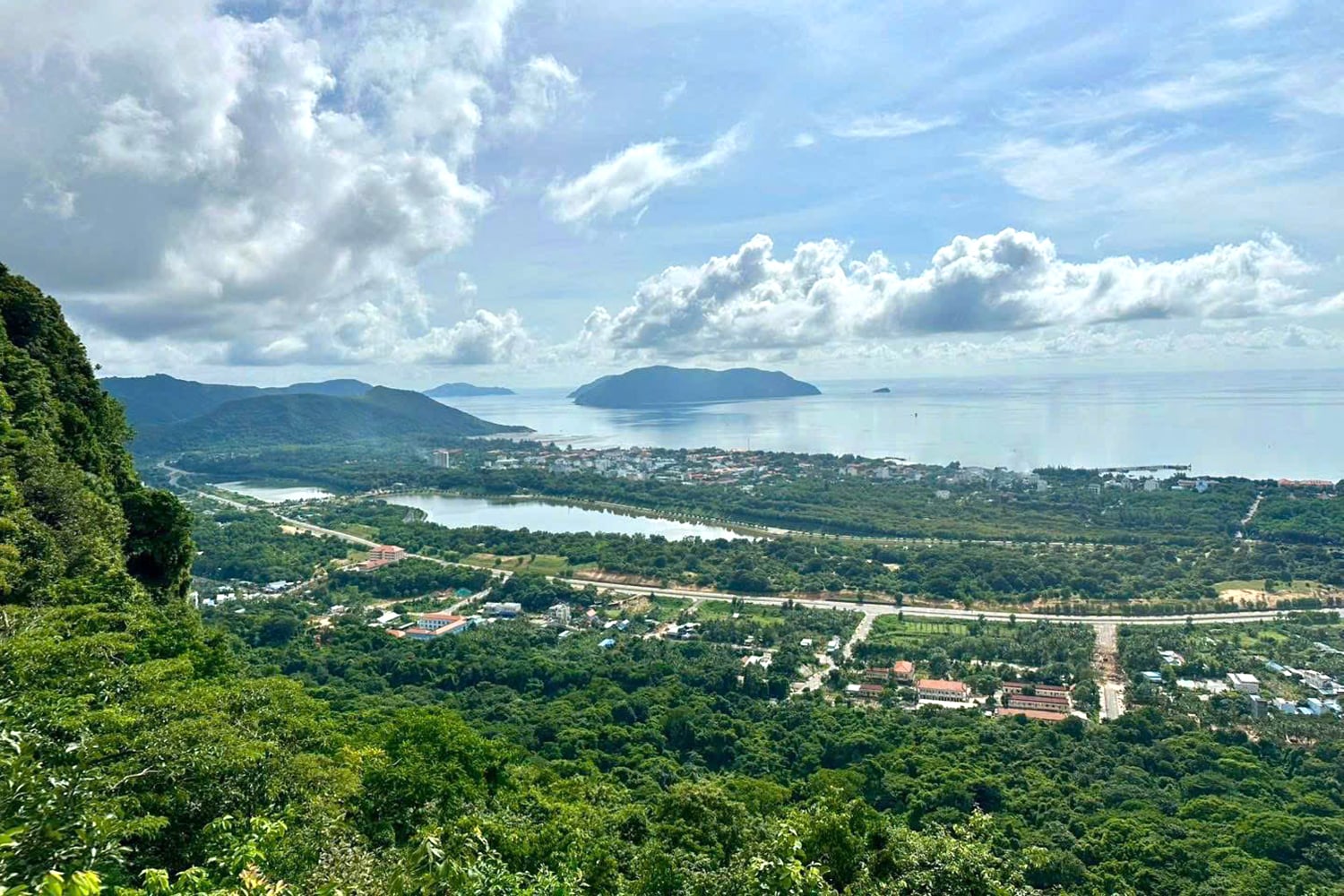
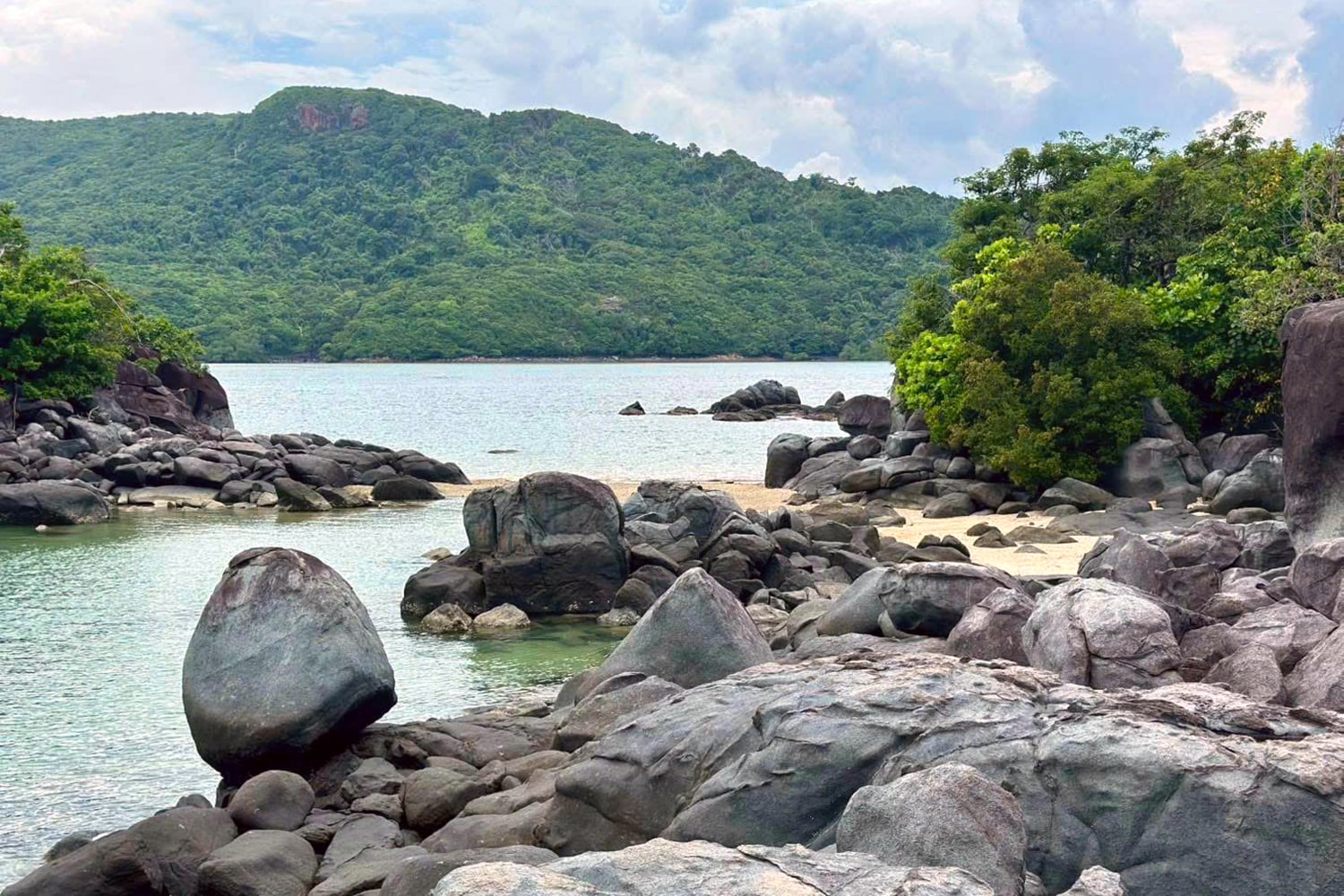
The park is a special-use forest system covering a natural area of approximately 19,800 hectares, comprising forest conservation areas across the islands and marine protected areas.
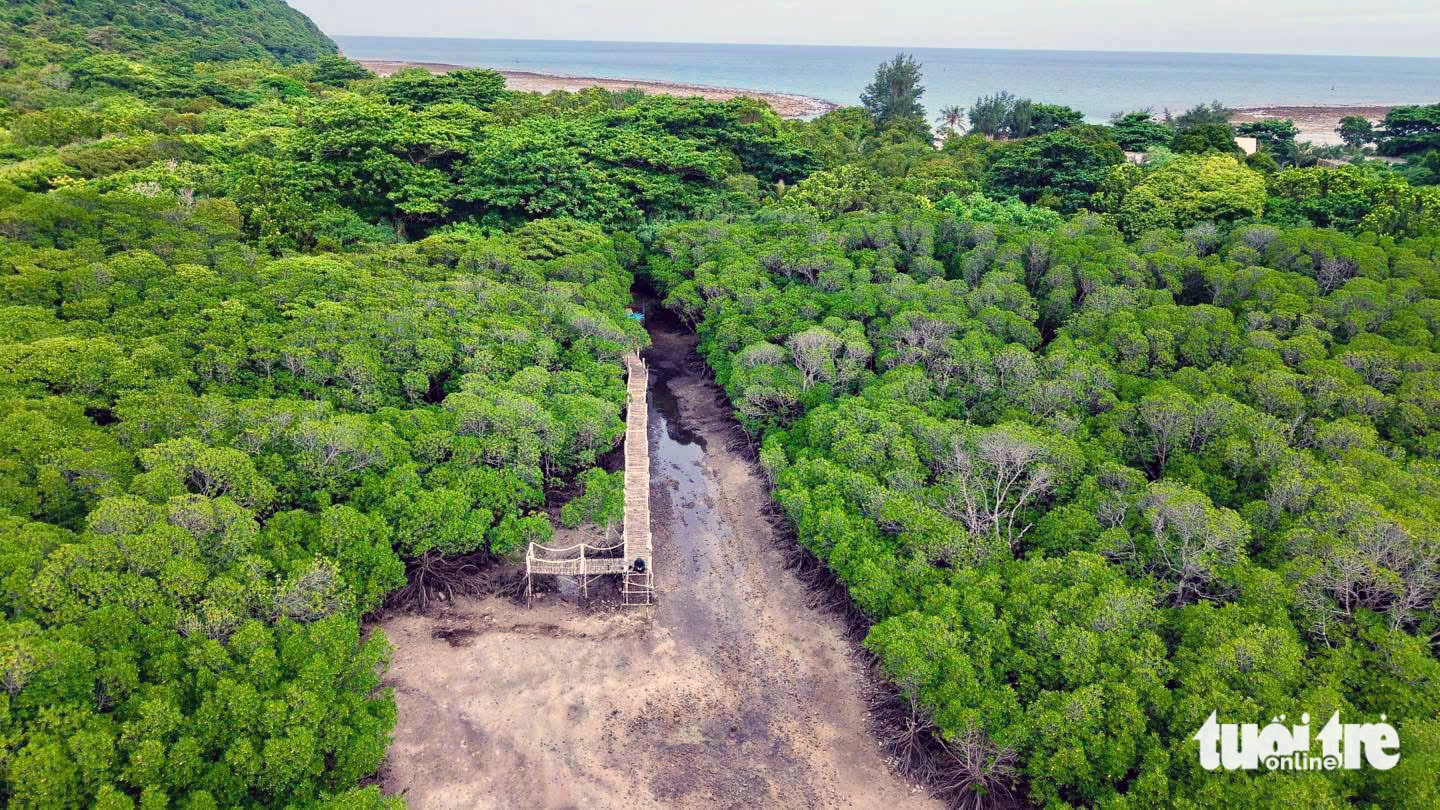
Con Dao National Park is unique in that its special-use forests surround marine protected areas and sea turtle nesting beaches.
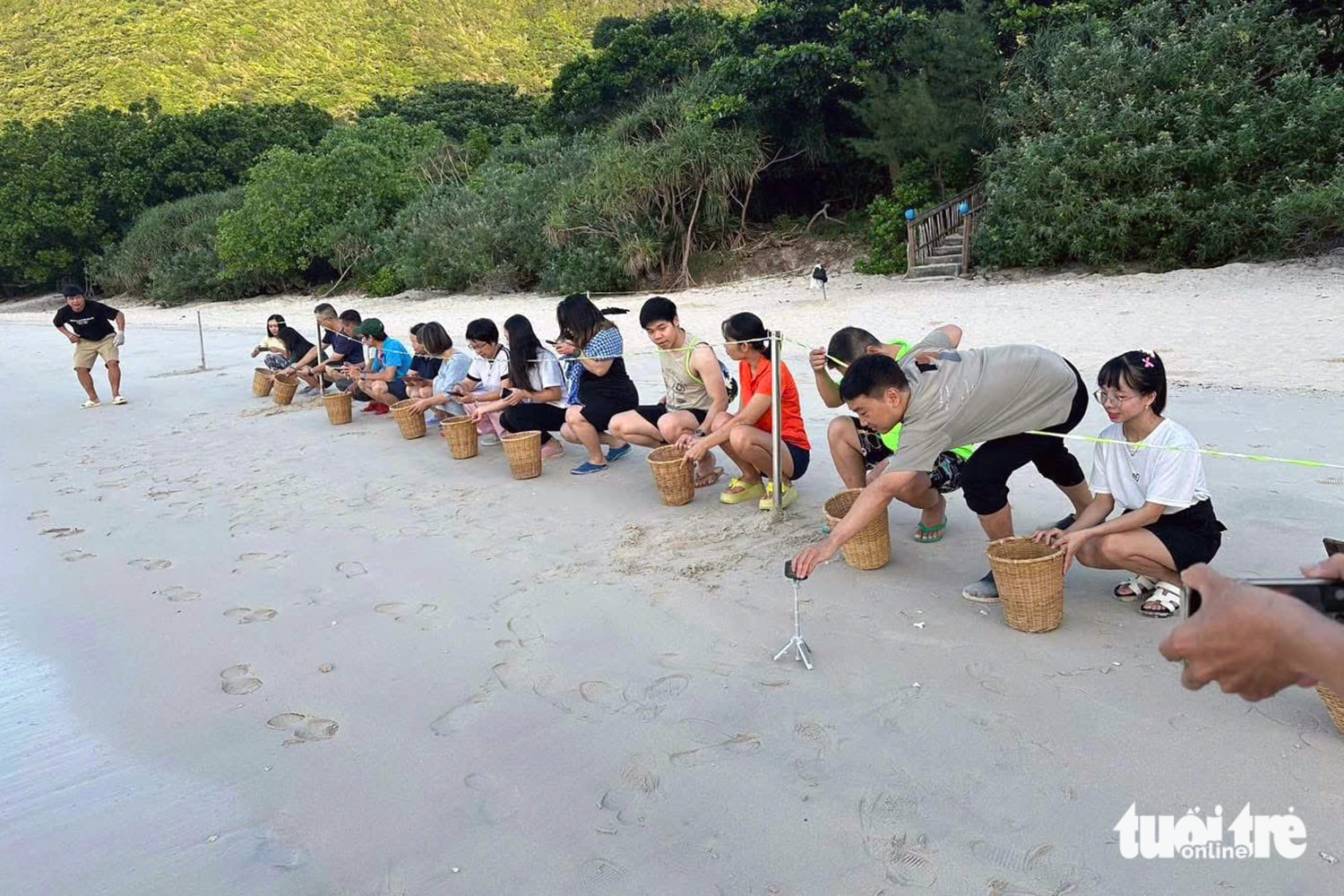
At the environmental education center of Con Dao National Park, interpretive sessions on the park's unique forest and marine ecosystems are regularly held to educate visitors about the importance of nature and the responsibility to protect the environment.
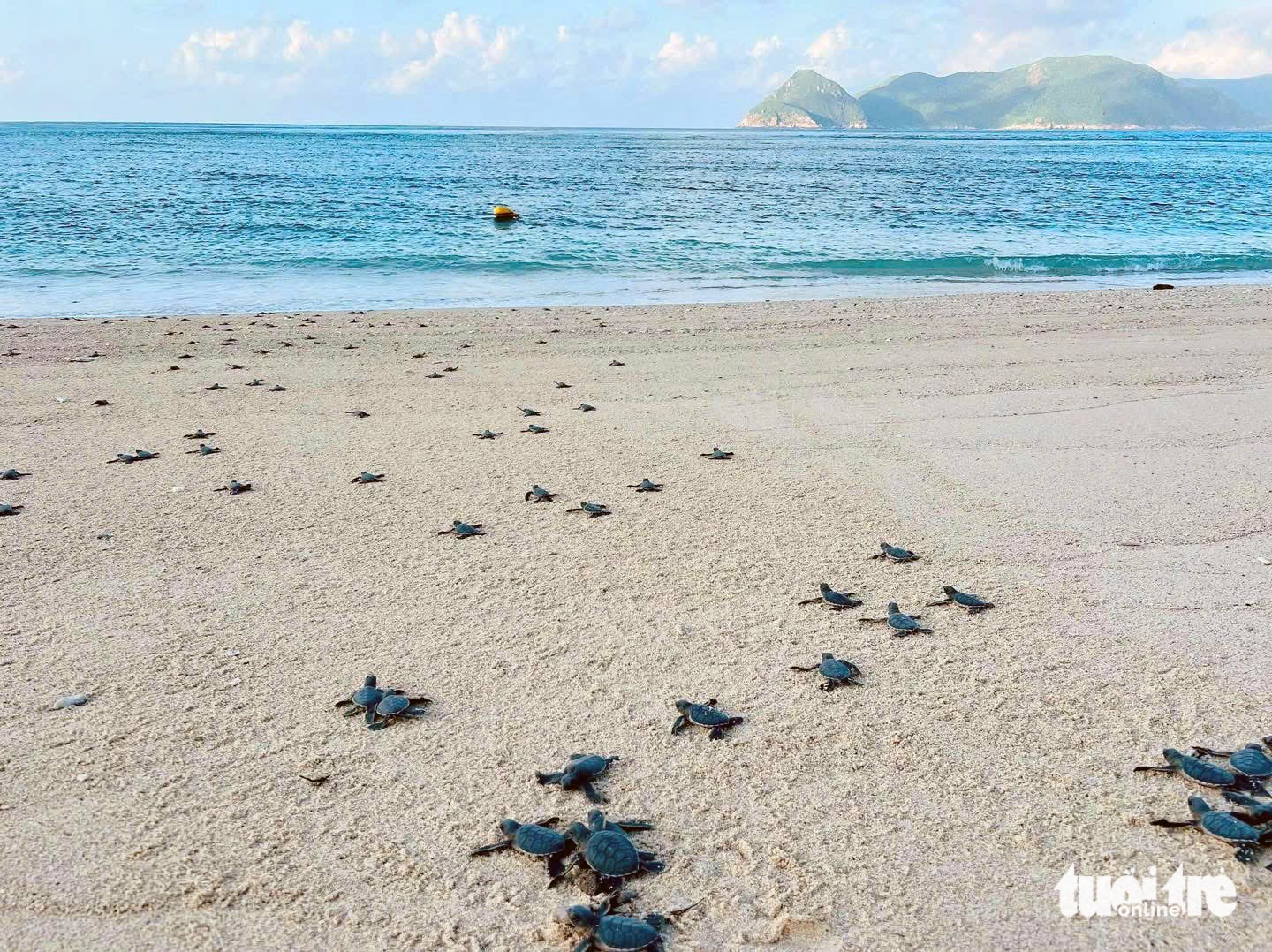
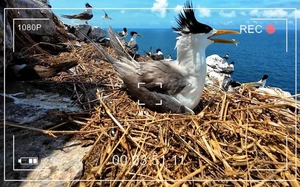
Chelonia mydas, a rare sea turtle species listed in the Red Data Books of Vietnam and the world, is under strict protection in Con Dao.
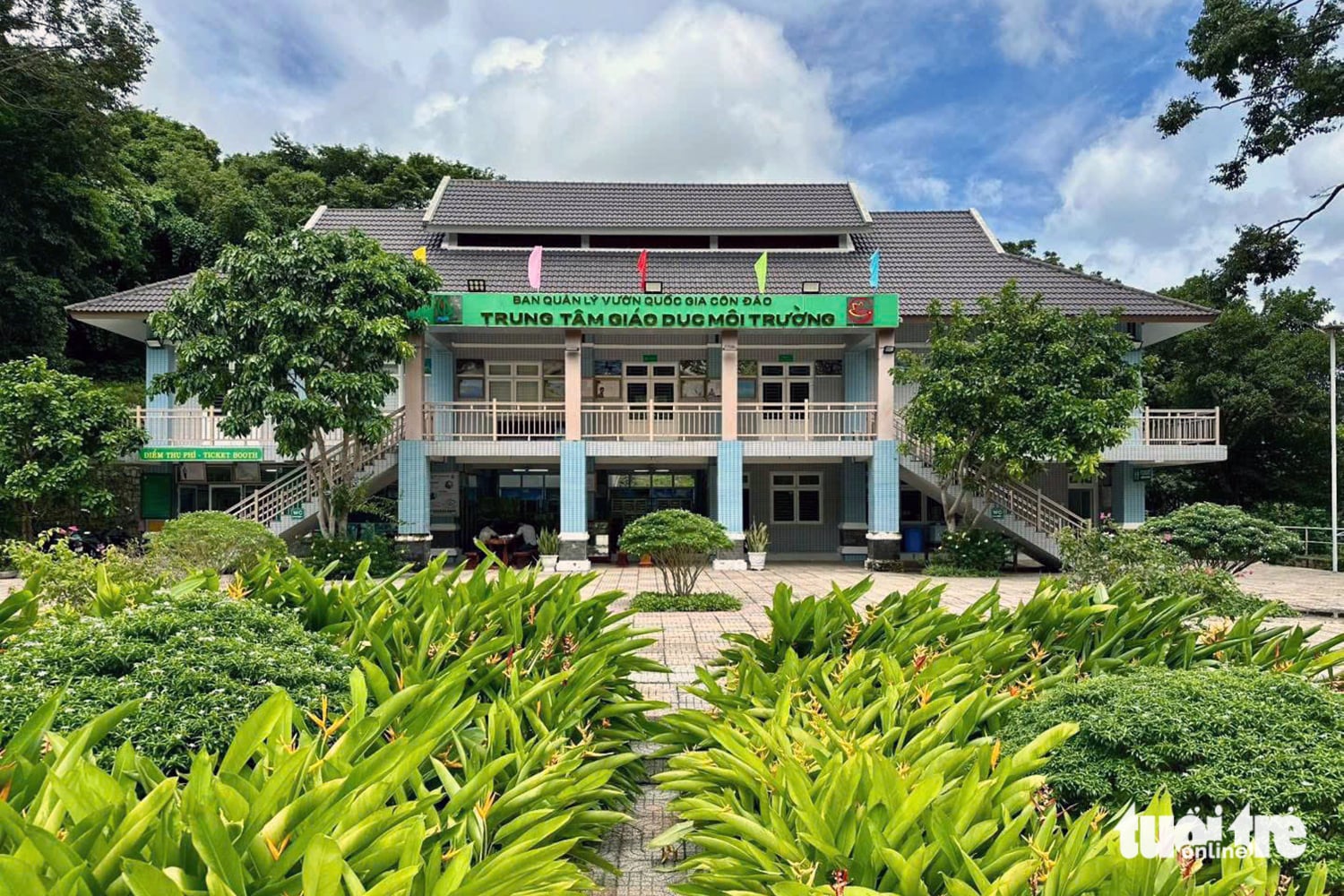
Following the merger, Con Dao has become Ho Chi Minh City's "green jewel," with enormous potential for marine ecotourism. Alongside Can Gio, the city aims to develop Con Dao into a low-emissions zone. Once connected to the national power grid via an undersea cable, Con Dao is expected to benefit from greener transport development.
- REFERENCE MORE
Le Phan - A Loc - Dong Nguyen / Tuoi Tre News
Link nội dung: https://news.tuoitre.vn/discover-2-green-lungs-added-to-ho-chi-minh-city-after-administrative-merger-103260704164537395.htm