
Rainy season in southern Vietnam, including Ho Chi Minh City, expected to end 20 days early
Southern Vietnam’s rainy season is forecast to end 15 to 20 days earlier than usual this year, raising concerns about severe heat and water shortages during the 2026-27 dry season, a regional meteorologist said.
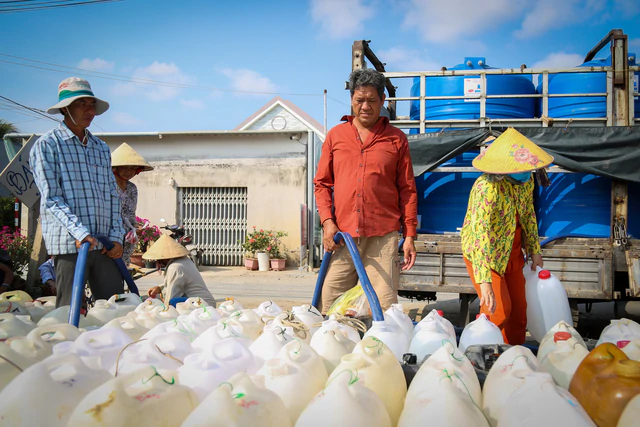
Southern Vietnam is forecast to see its rainy season end early this year, raising concerns about severe drought during the dry season. Photo: P.Q.
Le Dinh Quyet, head of the forecasting division at the Southern Regional Hydro-Meteorological Station, told Tuoi Tre (Youth) online newspaper that rainfall-producing systems, including the southwest monsoon and the intertropical convergence zone, were weakening, while cold air from continental high-pressure systems to the north was expected to become more frequent.
These developments indicate that the rainy season in the south will end earlier than the long-term average, Quyet said.
Some areas, including the former provinces of Ben Tre, Hau Giang, and Soc Trang, as well as Nha Be in Ho Chi Minh City, are expected to see the rainy season end in early November.
Other provinces and cities will follow, with the season forecast to end across most of southern Vietnam by mid-November.
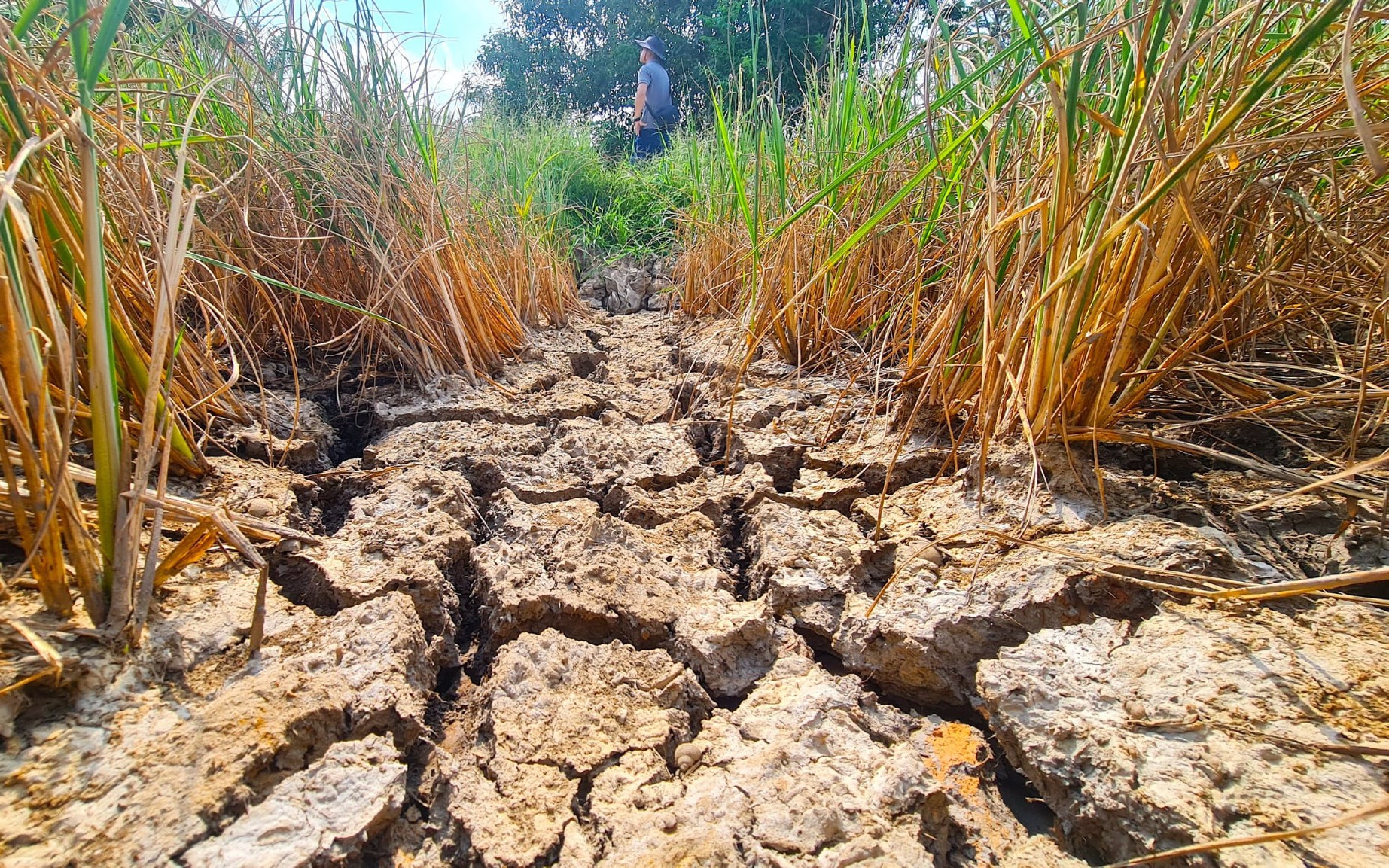
The region then may face a challenging dry season as a very strong El Nino develops.
The phenomenon is forecast to peak in November and December before gradually weakening in the first months of 2027, although it is expected to remain strong.
From December 2026 through April 2027, southern Vietnam will possibly experience few off-season rain events.
Hot weather could be more intense and persist for extended periods next year.
“Hot weather is expected to arrive early, with some days of extreme heat potentially occurring from mid-February,” Quyet warned.
“The heat is forecast to peak in March and April. Average temperatures could be 1.5 to 2 degrees Celsius above the long-term average.”
Maximum temperatures in Bien Hoa and Dong Xoai, both located in Dong Nai City, could reach 39 degrees Celsius or even higher, he said.
The 2027 dry season could bring severe drought and water shortages, Quyet warned, urging authorities and residents to take measures to prepare for extreme heat and drought.
Minh Duy - Le Phan / Tuoi Tre News