
Super El Niño threatens southern Vietnam with worst drought in over a decade
Southern Vietnam could face a dry season even harsher than the historic 2015-16 drought, with extreme heat, worsening water shortages, and severe saltwater intrusion expected in the months ahead.
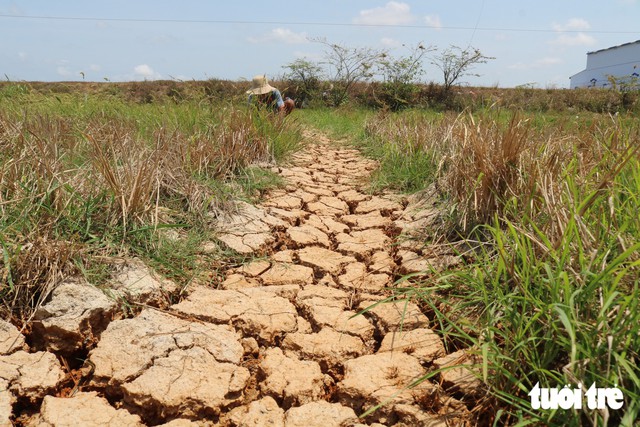
Under the strong influence of El Niño, southern Vietnam is expected to face extremely dry conditions and water shortages this dry season. Photo: N.P. / Tuoi Tre
Le Dinh Quyet, head of the forecasting division at the Southern Regional Hydrometeorological Center, told Tuoi Tre (Youth) online newspaper that domestic and international weather models indicate El Niño is entering an exceptionally strong phase, which is expected to persist through December 2026 and into early next year.
Although the phenomenon is forecast to gradually weaken between February and April 2027, it could remain moderate to strong before returning to neutral conditions in the second half of the year.

Le Dinh Quyet, head of the forecasting division at the Southern Regional Hydrometeorological Center. Photo: L.P. / Tuoi Tre
Early heatwaves, delayed rainy season
According to Quyet, southern Vietnam is expected to experience unusually hot and dry conditions from late 2026 through the summer of 2027, with heatwaves arriving shortly after the rainy season ends.
Strong El Niño events typically reduce rainfall and increase evaporation, resulting in prolonged drought and higher temperatures.
Intense heatwaves are forecast for March and April 2027, with temperatures potentially reaching 39 degrees Celsius or higher at their peak in April.
Ho Chi Minh City could experience even more oppressive conditions due to the urban heat island effect, Quyet said.
Dense high-rise buildings, concrete surfaces, asphalt roads, and heat generated by traffic and commercial activities can push temperatures in central urban areas above those in surrounding districts.
Combined with low humidity, these conditions could make the heat feel particularly harsh.
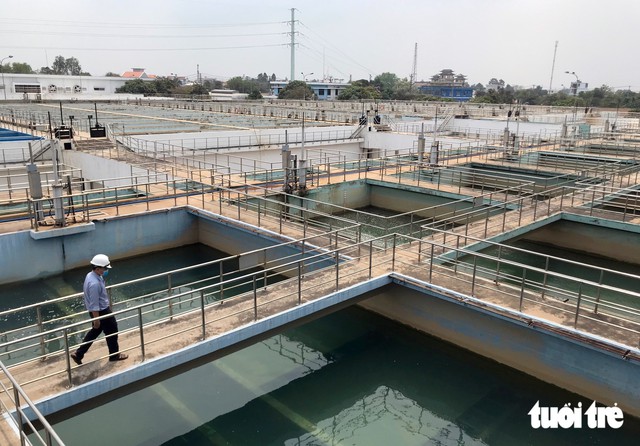
Provinces and cities in southern Vietnam are urged to take proactive measures to secure water supplies amid worsening drought conditions. Photo: Le Phan / Tuoi Tre
Unseasonal rainfall is also expected to be scarce during the 2026-27 dry season, while average temperatures are forecast to exceed long-term levels.
Hot weather could begin as early as late January or early February and continue for months.
The rainy season in Ho Chi Minh City and southern Vietnam is likely to arrive later than usual, possibly not beginning until mid- or late May 2027.
El Niño forecast to peak in November and December 2026
Despite the overall warming trend, Quyet said brief periods of cooler weather could still occur.
From now until early 2027, the region could still experience extreme weather events, including unusually heavy to torrential rainfall.
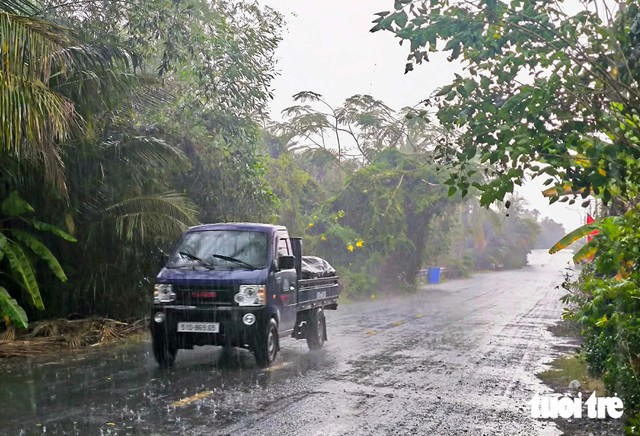
Unseasonal rainfall is expected to be scarce this year. Photo: Le Phan / Tuoi Tre
In late December and January, strong cold air masses from northern Vietnam could extend southward, causing early-morning temperatures in Ho Chi Minh City and southeastern Vietnam to drop significantly.
Temperatures in Bien Hoa and Thu Dau Mot could fall below 20 degrees Celsius, while Ta Lai could see readings below 17 degrees Celsius, bringing noticeably chilly conditions.

Southern Vietnam, including Ho Chi Minh City, could still experience cooler days despite the strong El Niño. Photo: Tri Duc / Tuoi Tre
Drought could surpass 2015-16 levels
Quyet warned that the upcoming dry season could be more severe than the historic 2015-16 drought, which caused widespread water shortages and saltwater intrusion across southern Vietnam.
El Niño intensity is measured by sea surface temperature anomalies in the central and eastern equatorial Pacific Ocean.
Anomalies of 0.5-1 degree Celsius indicate the onset of El Niño, while those exceeding 2 degrees are classified as very strong.
Several major El Niño events, including those in 1992-93, 1997-98, 2015-16, and 2023-24, recorded anomalies above 2 degrees Celsius.
The 2015-16 event peaked at nearly 3 degrees Celsius.
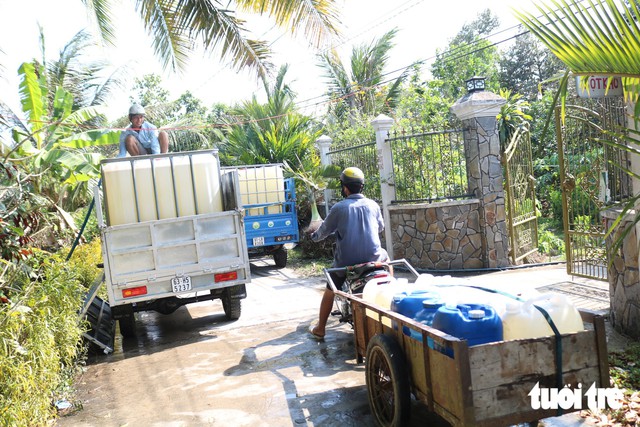
Residents in the Mekong Delta store freshwater for use during the dry season. Photo: N.P. / Tuoi Tre
According to Quyet, forecasts suggest the current El Niño could reach or exceed a similar level in November and December 2026, contributing to an earlier end to this year's rainy season.
With reduced rainfall, higher evaporation, and prolonged heat, southern Vietnam faces an increased risk of severe drought, freshwater shortages, and saltwater intrusion.
Quyet warned that dry conditions in the coming months could be even more intense than during the 2015-16 event.
However, he stressed that early preparations, coordinated response measures, and proactive freshwater storage could help local authorities and residents minimize potential damage.
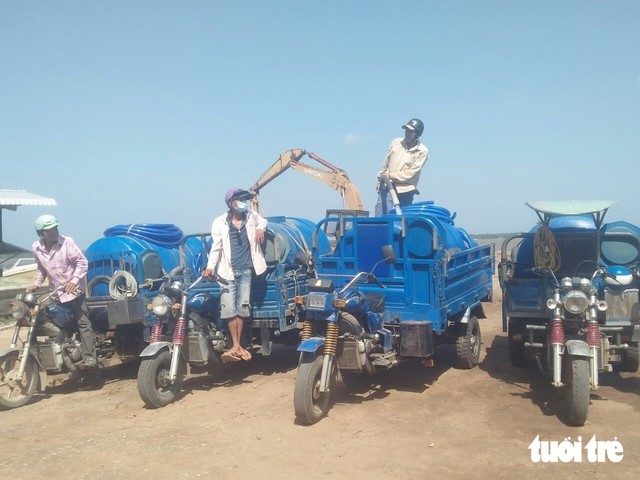
Freshwater is transported from Ho Chi Minh City to support residents in the Mekong Delta. Photo: S.W. / Tuoi Tre
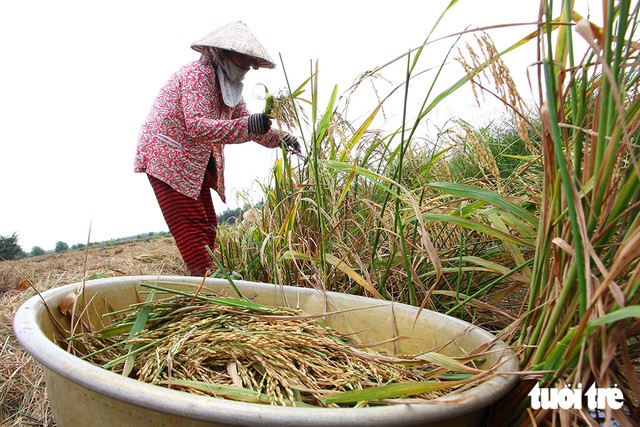
Drought and saltwater intrusion affect agricultural production in the Mekong Delta. Photo: Chi Quoc / Tuoi Tre

Tuoi Tre News
Link nội dung: https://news.tuoitre.vn/super-el-nio-threatens-southern-vietnam-with-worst-drought-in-over-a-decade-103261116113344601.htm