


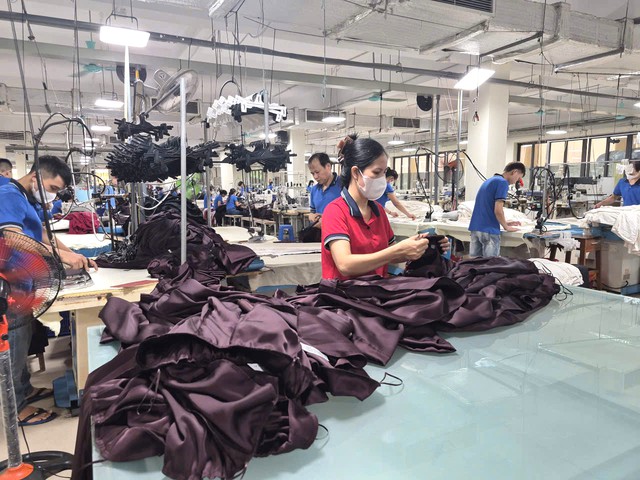
Vietnam’s Ministry of Industry and Trade provides information on the preliminary findings released by the Office of the United States Trade Representative (USTR) in its Section 301 investigation. Photo: Ngoc An / Tuoi Tre
Vietnam’s Ministry of Industry and Trade said late on Wednesday that the Office of the United States Trade Representative (USTR) had released preliminary findings from investigations under Section 301 of the Trade Act of 1974 into structural excess capacity and production in manufacturing sectors.
The findings cover 14 of the 16 economies under investigation, including Vietnam, China, the European Union (EU), Japan, South Korea, India, and several Southeast Asian countries.
For Vietnam, the USTR proposed additional tariffs of up to 35 percent, net of existing Section 301 duties, with exemptions for certain products.
The rate could be lowered to 20 percent if Vietnam reaches a reciprocal trade agreement with the U.S. that addresses concerns identified in the investigation.
The proposed duties could also be adjusted to account for existing tariffs imposed under Sections 301 and 232.
The USTR has proposed exempting 2,121 tariff lines classified under eight-digit Harmonized System (HS) codes from the new measures, according to the ministry.
Final tariff decision expected in early 2027
The Ministry of Industry and Trade stressed that the proposed tariffs are part of the U.S. statutory investigation process and have not yet taken effect.
The USTR will solicit public comments and consult relevant parties before determining the final tariff rates, implementation mechanisms, interaction with existing duties, and scope of product exemptions.
Public hearings are scheduled to begin on January 25, 2027, with a final decision expected as early as February and no later than March 11.
The final tariff rate could be lower than the proposed maximum if bilateral negotiations result in significant progress or satisfactory solutions to concerns identified by U.S. authorities.
Vietnam working to finalize trade agreement with US
The Ministry of Industry and Trade said Vietnam has made numerous commitments in its reciprocal trade negotiations with the U.S. and undertaken major reforms to address Washington’s concerns, including issues raised in Section 301 investigations.
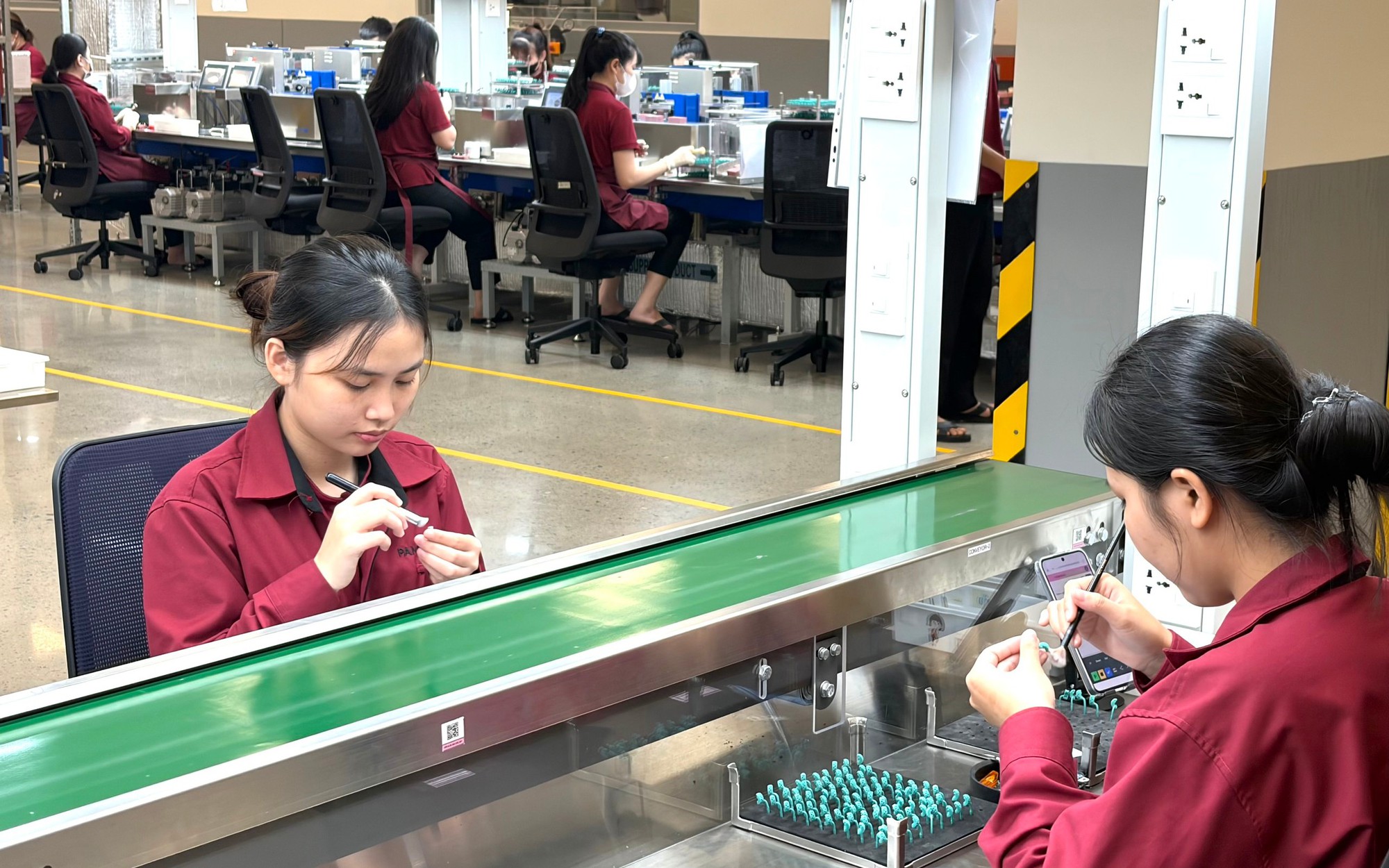
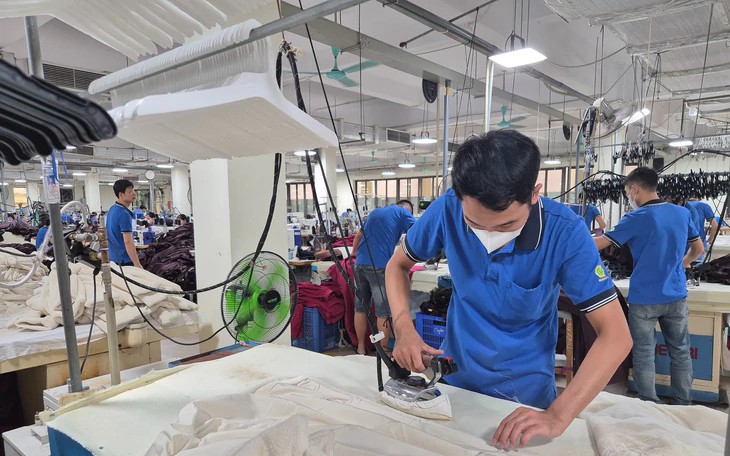
On November 21, the Vietnamese government issued a resolution outlining a comprehensive plan to manage trade surpluses and mitigate international trade risks in the 2026-30 period.
The plan seeks to balance export growth with increased imports to support domestic production, while improving the quality and added value of Vietnamese exports.
It also aims to prevent excess industrial capacity, combat tariff circumvention, illegal transshipment, and origin fraud, and strengthen enforcement of regulations banning imports of goods produced using forced labor.
The ministry said these efforts, together with progress in bilateral trade negotiations, would provide an important basis for the U.S. to consider a lower tariff rate for Vietnamese goods.
The ministry will coordinate with relevant government agencies to participate in subsequent stages of the USTR investigation, including attending public hearings, presenting Vietnam’s position, and responding to questions from U.S. authorities.
It will also submit written rebuttals to the preliminary findings and inaccurate allegations made by interested parties, while continuing consultations with U.S. authorities.
Vietnam and the U.S. are working to conclude negotiations on a reciprocal, fair, and balanced trade agreement as soon as possible.


Max: 1500 characters
There are no comments yet. Be the first to comment.