


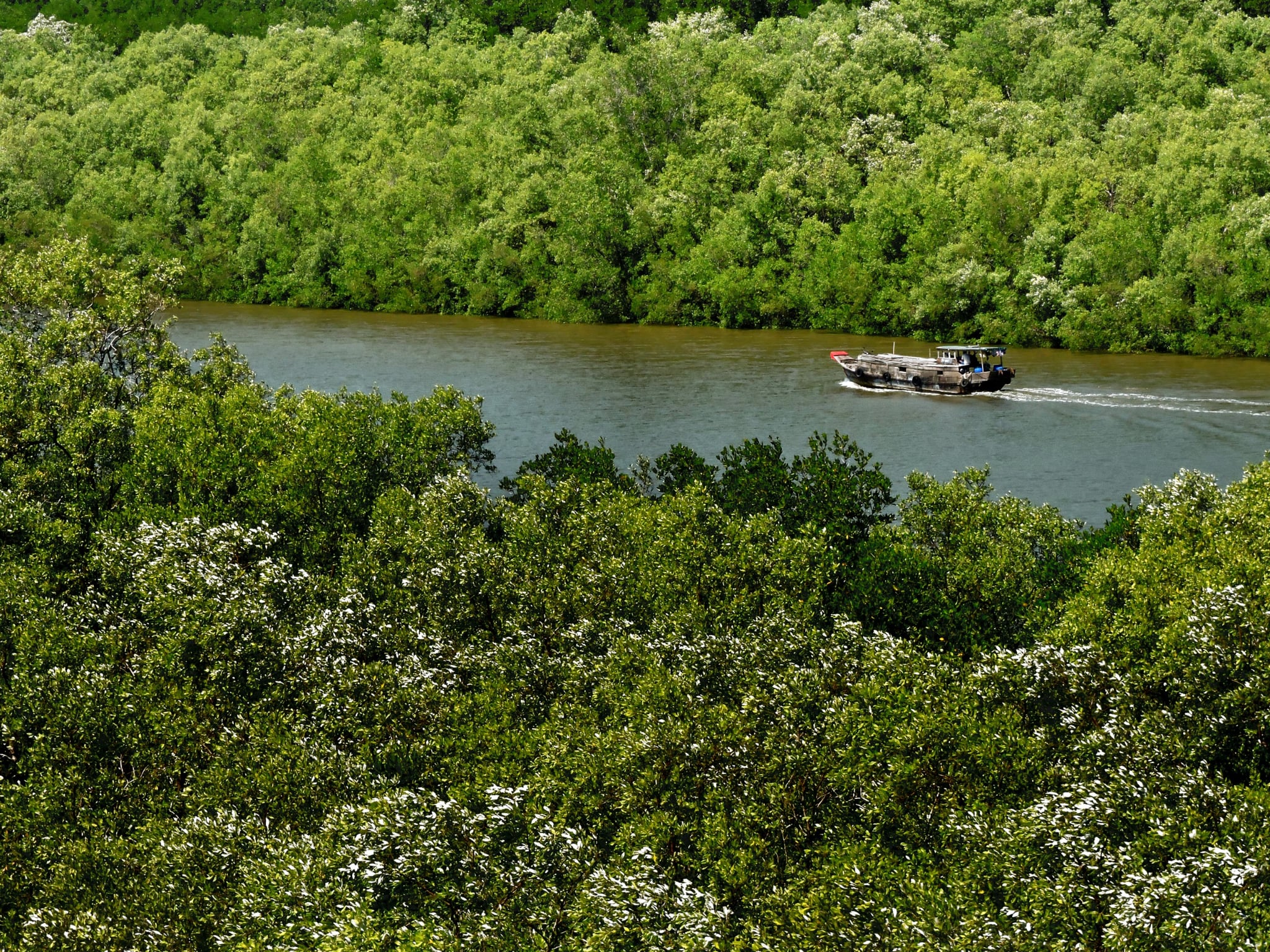
The Can Gio mangrove forest in Ho Chi Minh City. Photo: Supplied
The field trip, organized by the Ho Chi Minh City People’s Committee, welcomed the delegation from the World Network of Island and Coastal Biosphere Reserves (WNICBR).
It was part of the 13th Annual Meeting of the World Network of Island and Coastal Biosphere Reserves (WNICBR), hosted by Ho Chi Minh City, which brought together 85 delegates, including 34 international representatives from 16 countries.
The field trip aimed to give international delegates first-hand insights into Can Gio’s mangrove ecosystem, as well as the efforts made by local communities to protect the environment, preserve biodiversity and develop livelihoods in harmony with nature.
It also provided an opportunity to share experiences and promote conservation models linked to sustainable development among biosphere reserves worldwide.
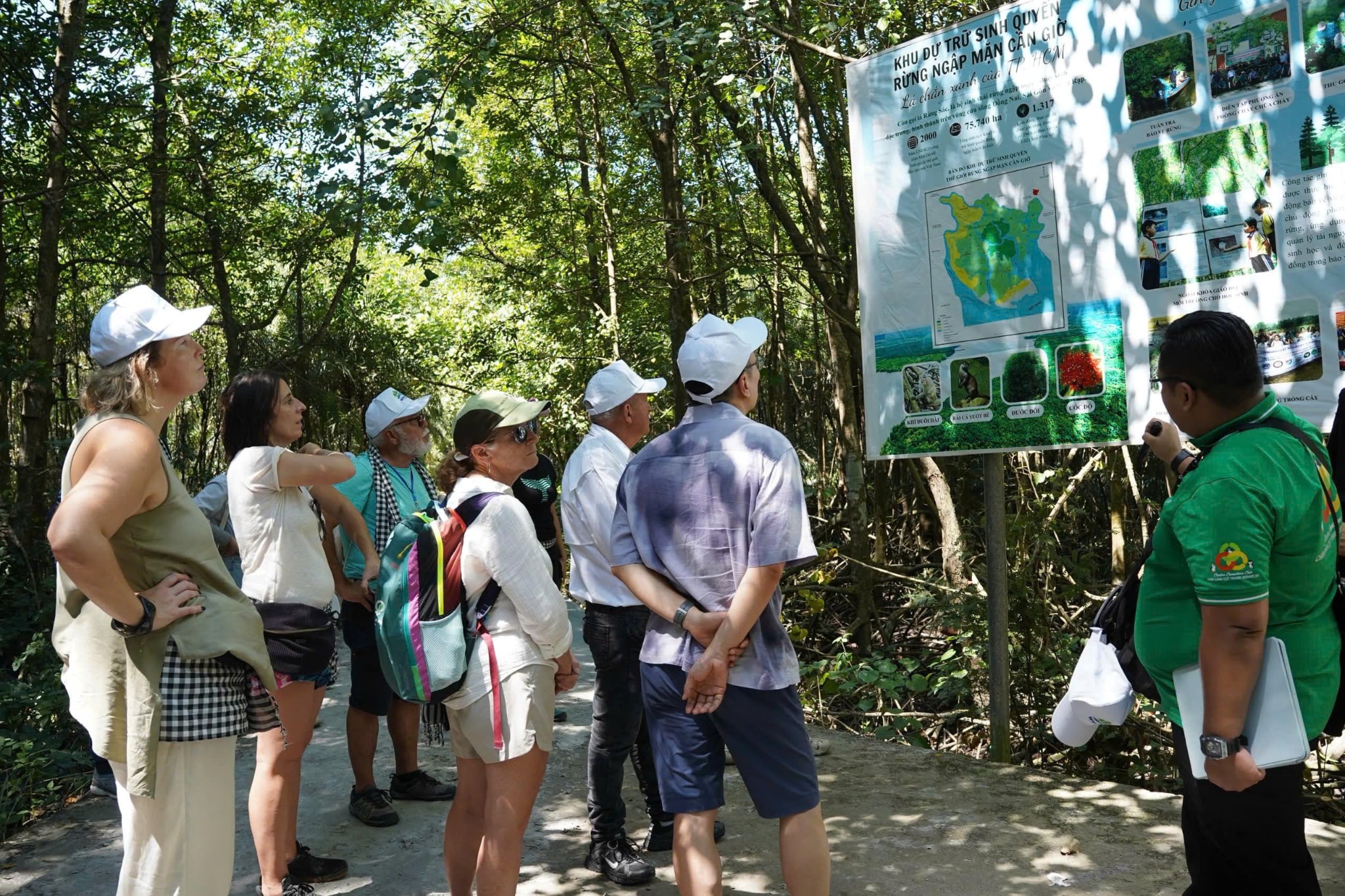
International delegates listen attentively as they are briefed on the map and ecosystem of the Can Gio Mangrove Biosphere Reserve in Ho Chi Minh City during a field trip on November 8, 2026. Photo: Cam Ly / Tuoi Tre
Can Gio eyed as a model biosphere reserve
During the visit, Kwang Sub Jang, a member of the WNICBR Jeju Secretariat, said he was impressed by how the reserve is being managed.
After learning about Can Gio’s mangrove ecosystem and its management and conservation efforts, Jang said a biosphere reserve should not be defined by nature alone, but should also accommodate human activities.
Urban development is therefore an inevitable trend, he said, but it must go hand in hand with ecosystem conservation and the protection of local livelihoods.
The way Can Gio combines nature conservation with development activities could offer valuable lessons for other biosphere reserves around the world, he added.
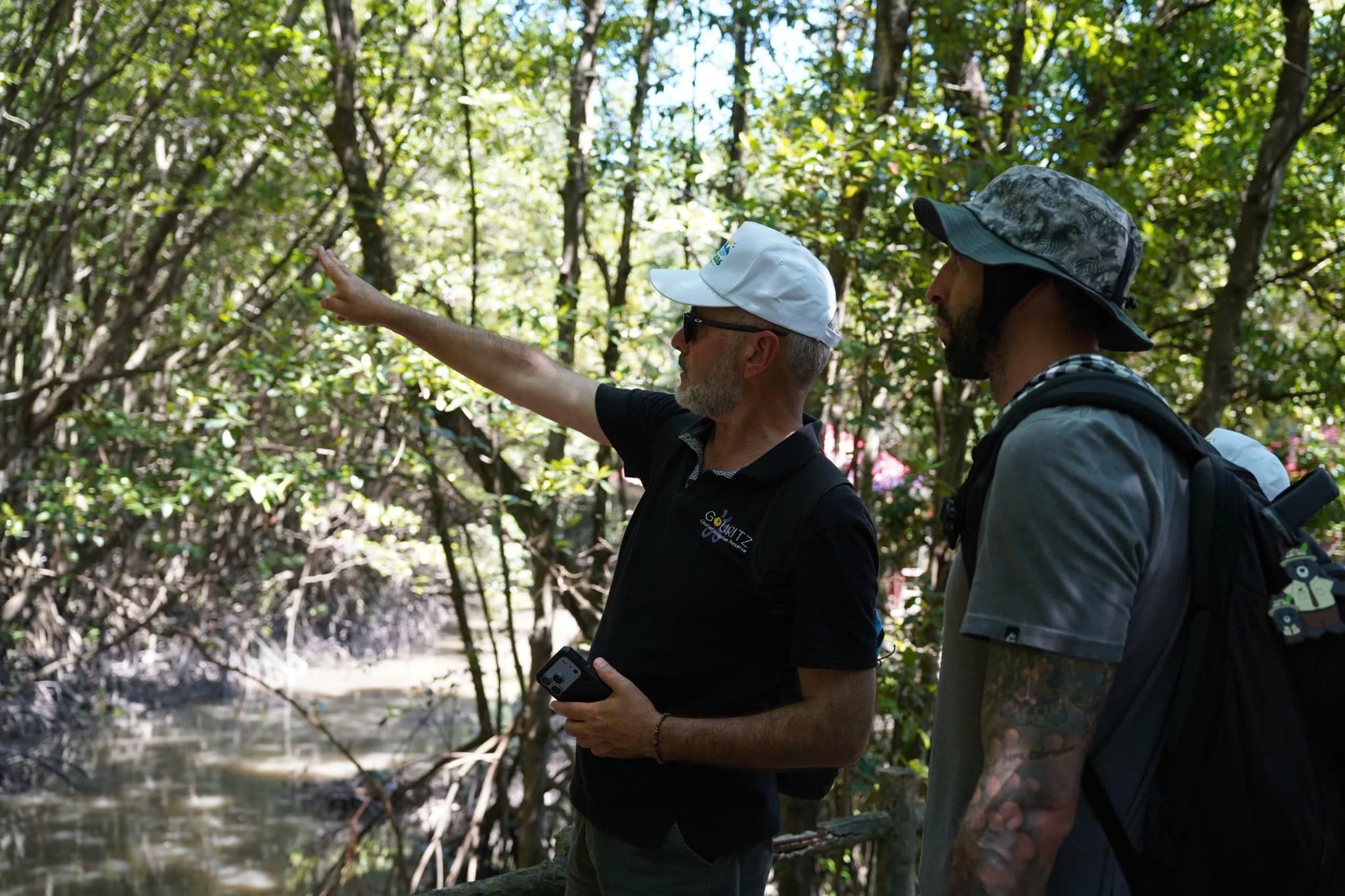
Visitors discuss the ecological characteristics and conservation efforts at the Can Gio Mangrove Biosphere Reserve in Ho Chi Minh City during a field trip on November 8, 2026. Photo: Cam Ly / Tuoi Tre
Lauren Matthews, 29, youth affairs director at the Cape Winelands Biosphere Reserve in South Africa, said she was deeply impressed by Can Gio’s natural ecosystem during her visit, which marked her first time exploring a mangrove forest.
She said protecting mangrove forests is important not only for their ability to absorb and store carbon, but also for the rich biodiversity they support.
Matthews hoped to return to Can Gio someday, spend more time exploring its mangrove forests, and learn more about the culture and daily lives of the local community.
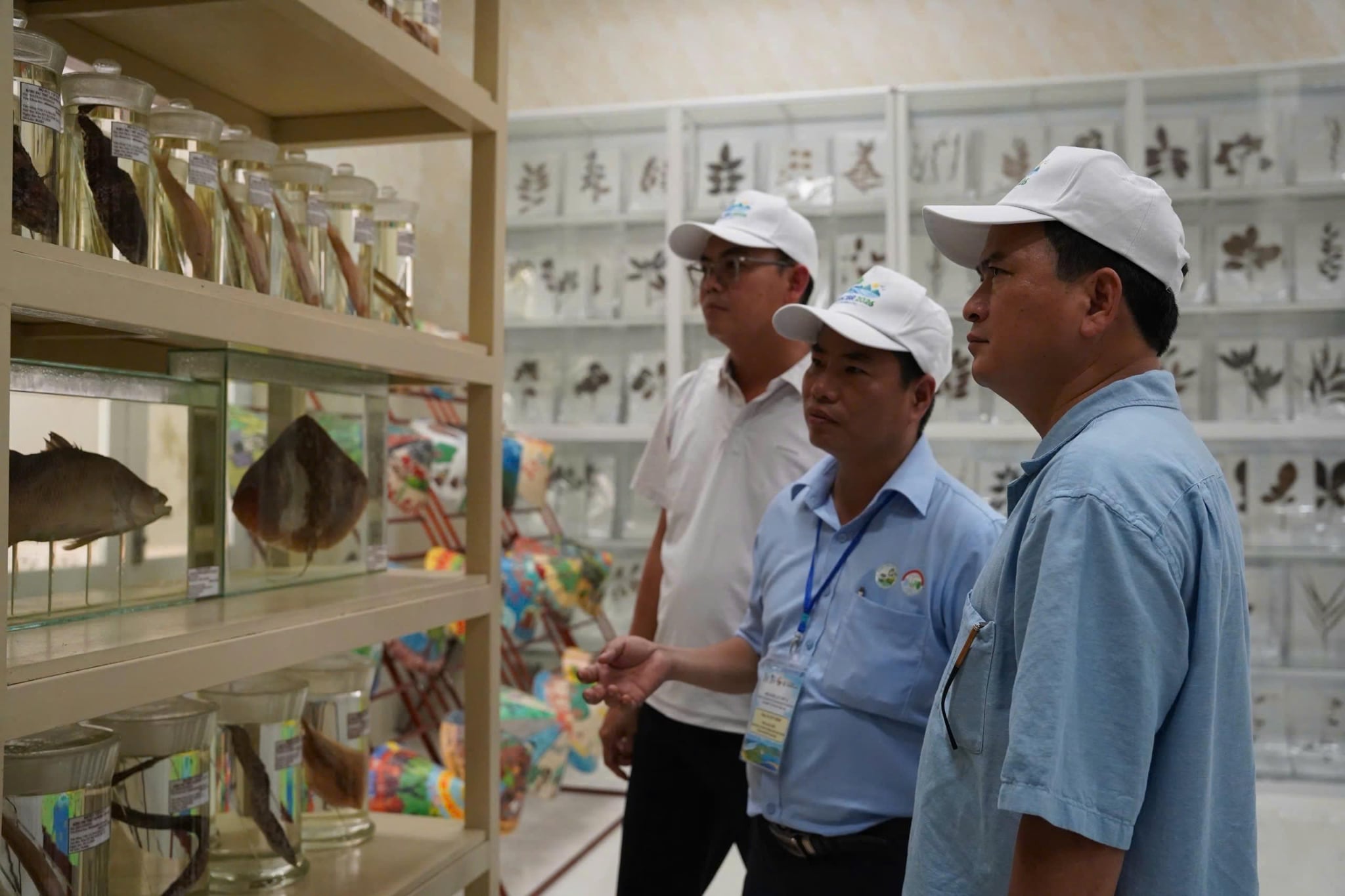
Delegates visit the exhibition room at the Can Gio Mangrove Biosphere Reserve in Ho Chi Minh City during a field trip on November 8, 2026. Photo: Cam Ly / Tuoi Tre
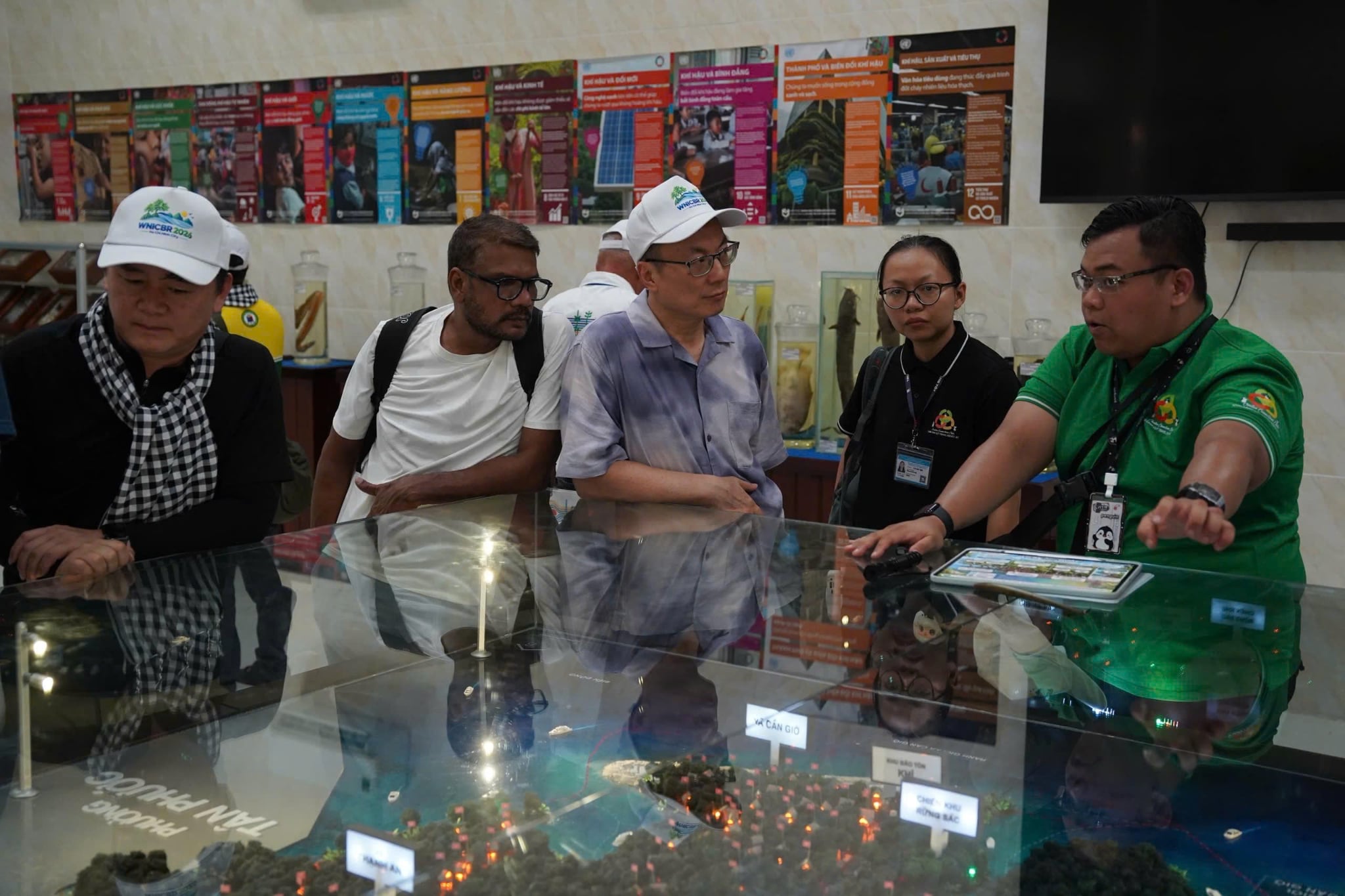
A tour guide introduces the history and development of Can Gio Commune to local and international delegates. Photo: Cam Ly / Tuoi Tre
From a management perspective, Dr. Huynh Duc Hoan, director of the Ho Chi Minh City Special-Use and Protection Forest Management Board, and deputy head of the Can Gio Mangrove Biosphere Reserve Management Board, said investment in infrastructure and efforts to tap the reserve's potential were necessary.
However, he stressed that urban development must be balanced with ecosystem conservation.
Besides its forestry and environmental value, the Can Gio mangrove forest also has significant potential for ecotourism.
“In particular, developing tourism in connection with the local community can not only create additional livelihoods for residents but also encourage them to take part in managing and protecting the ecosystem,” Hoan said.
“This is also one of the ways for Ho Chi Minh City to gradually develop the Can Gio Mangrove Biosphere Reserve into a model biosphere reserve,” he added.
Can Gio became Vietnam’s first biosphere reserve to be recognized by UNESCO in 2000.
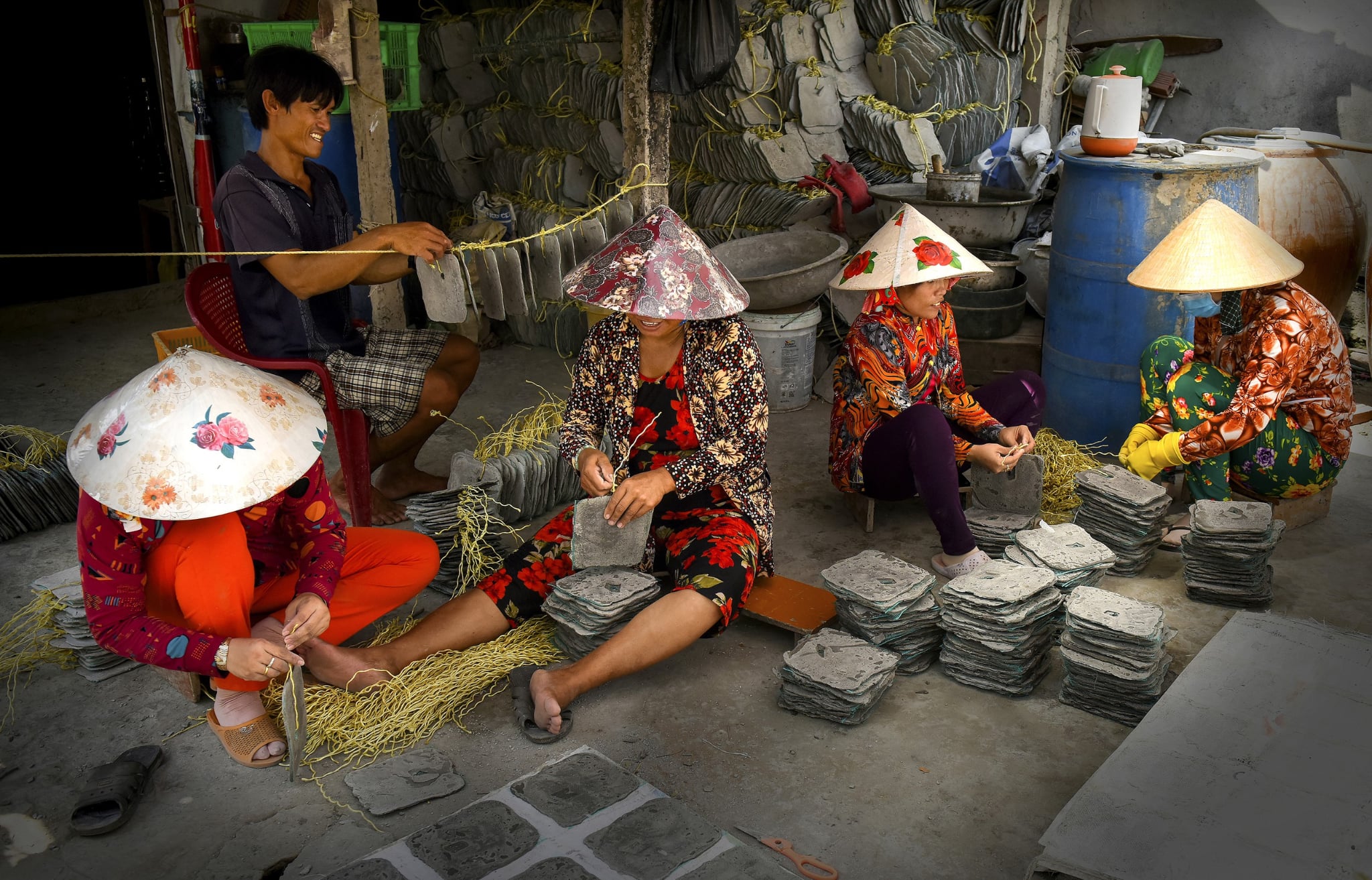
A traditional craft village in Can Gio, Ho Chi Minh City. Photo: Supplied
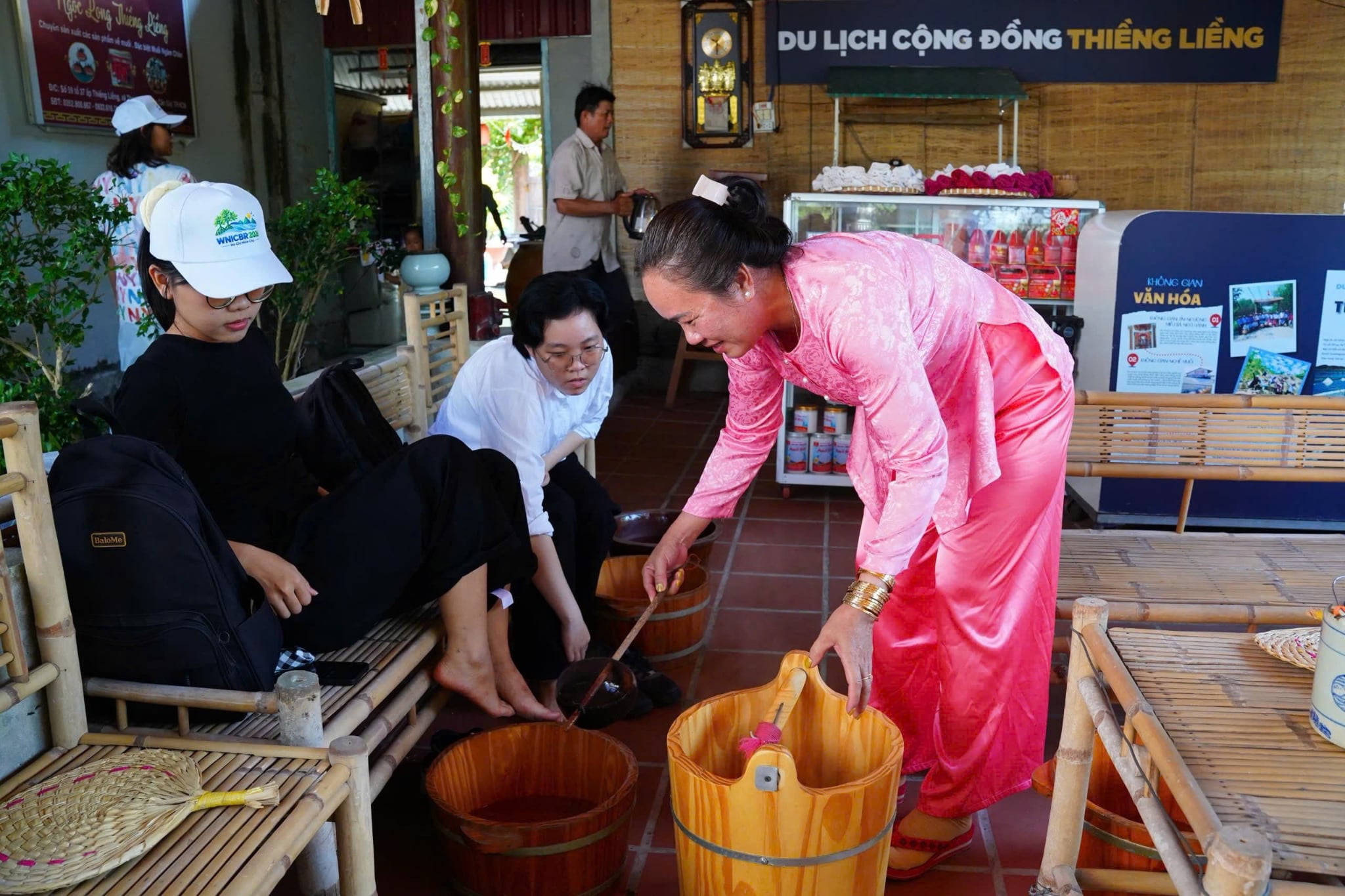
Before the field trip, delegates experienced community-based tourism activities. Photo: Dang Linh / Tuoi Tre
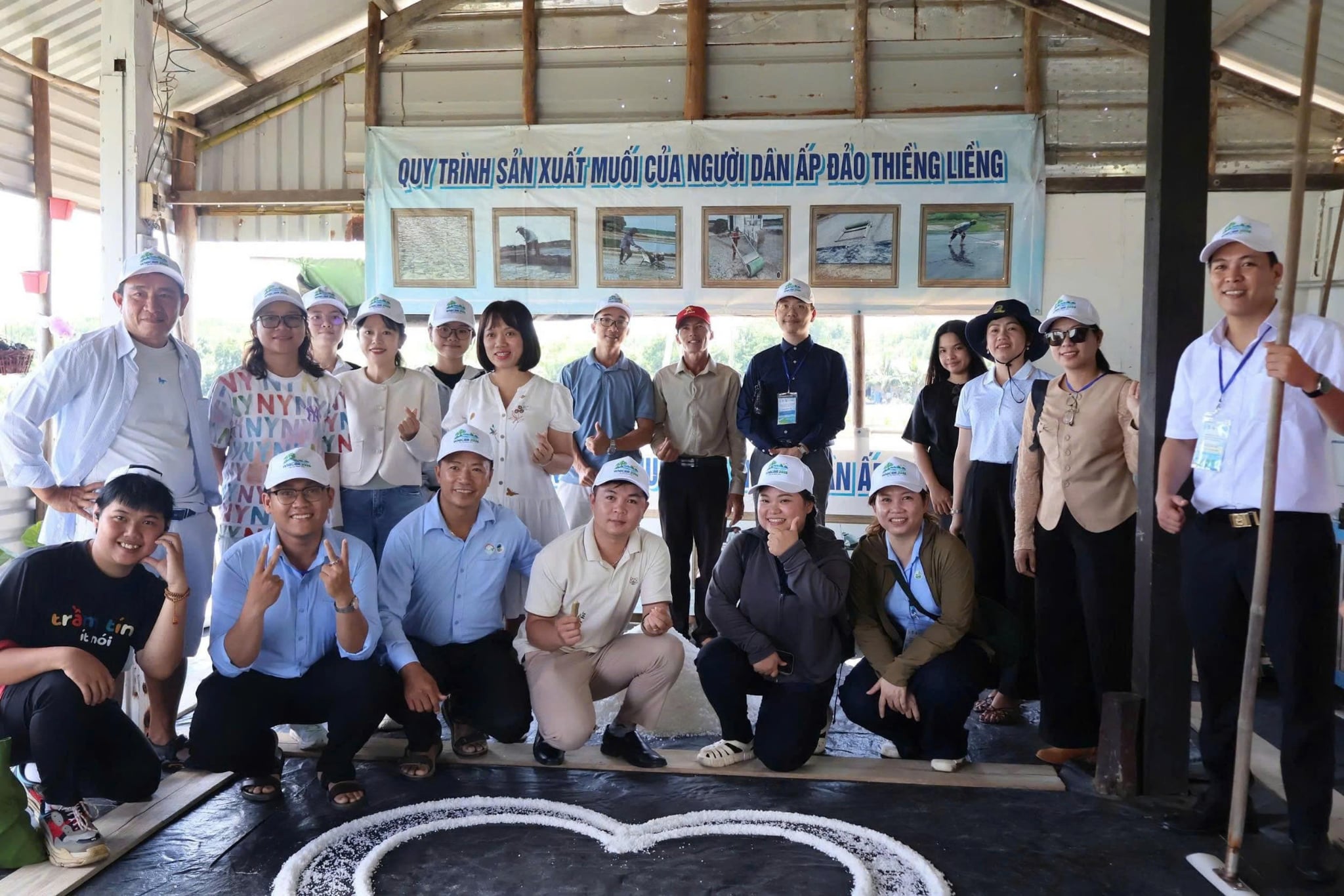
Delegates pose for a group photo at a rock salt production site on Thieng Lieng Island in Can Gio Commune, Ho Chi Minh City on November 8, 2026. Photo: Dang Linh / Tuoi Tre
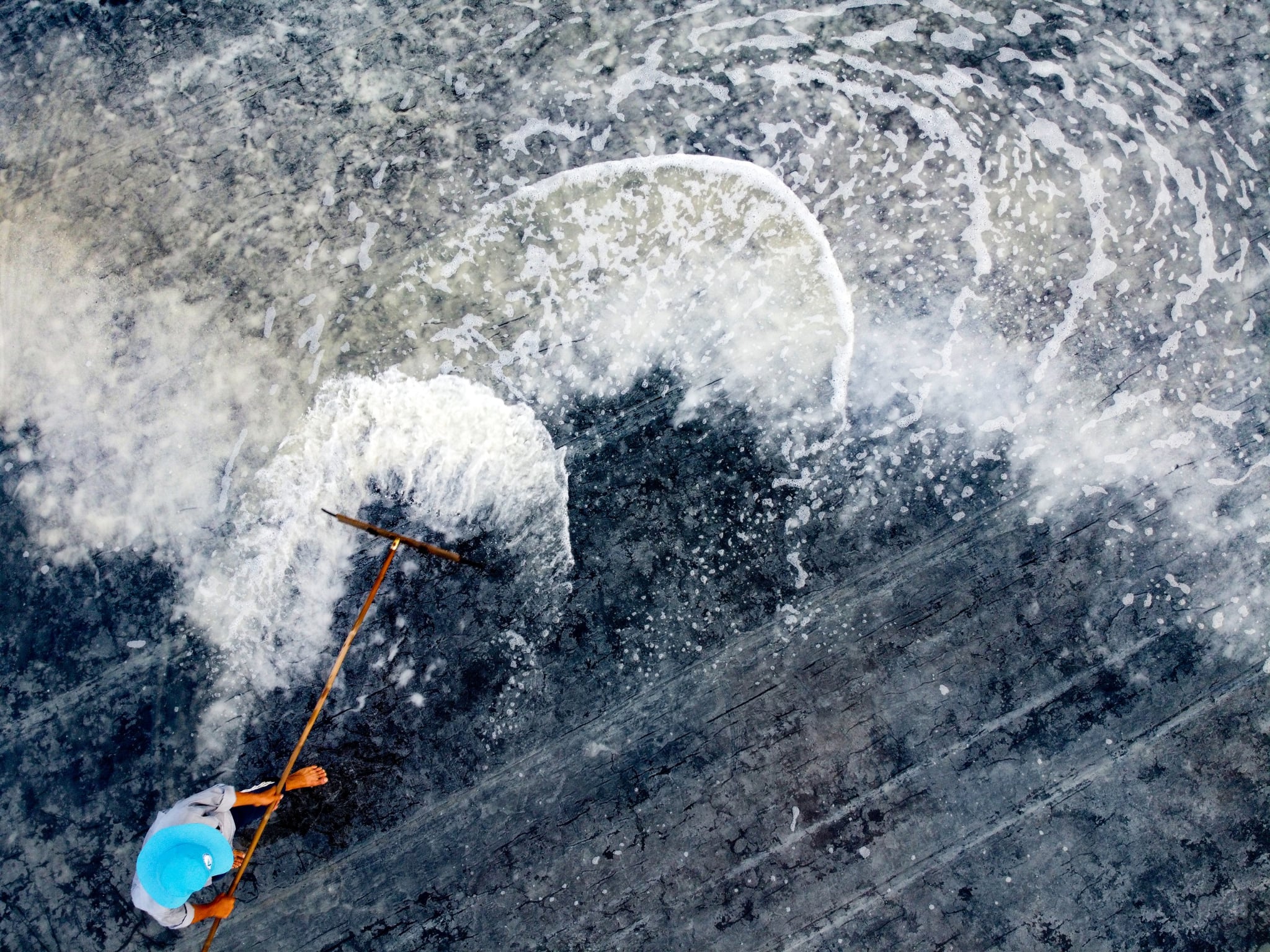
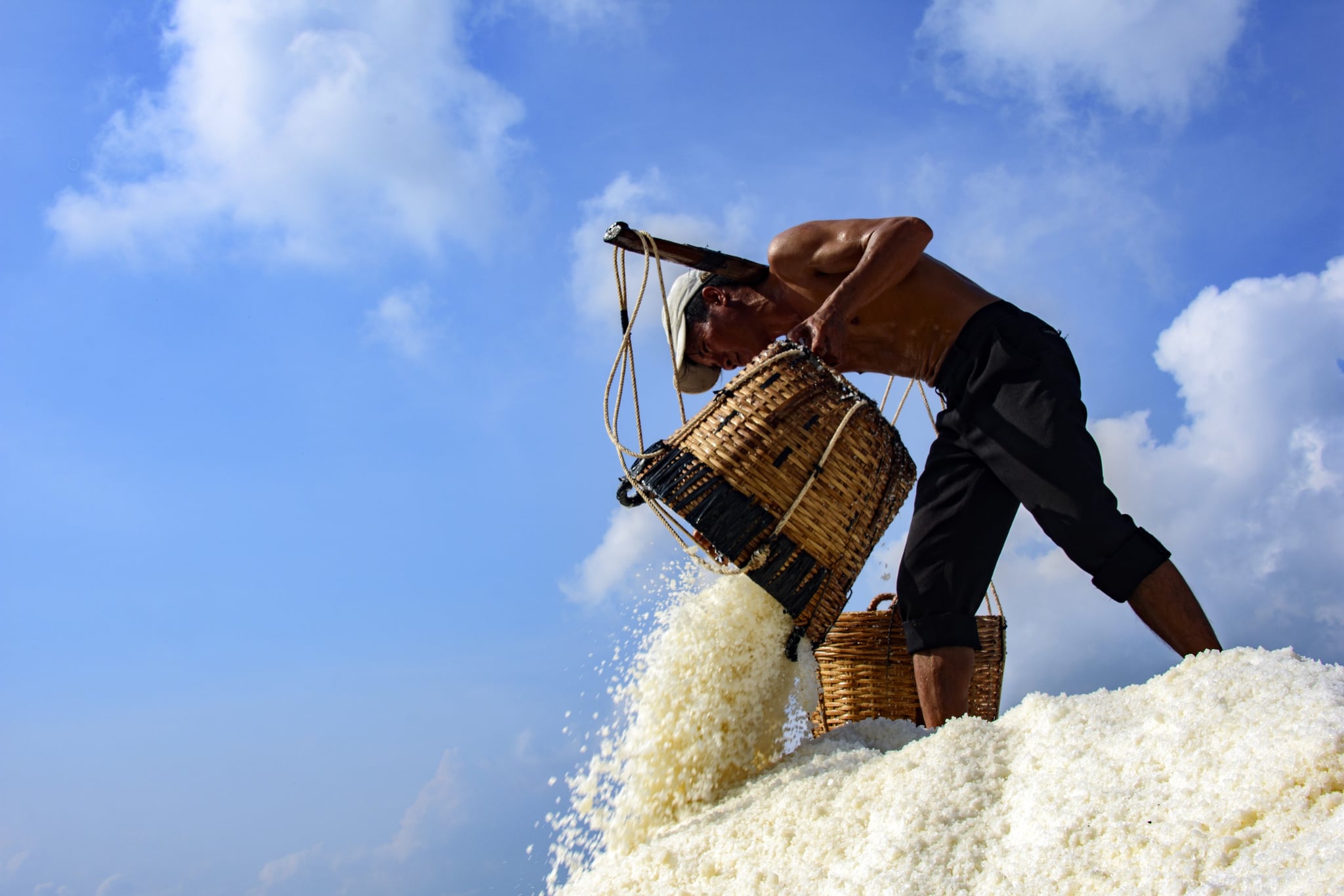
Salt making and harvesting in Can Gio. Photo: Supplied



Max: 1500 characters
There are no comments yet. Be the first to comment.